
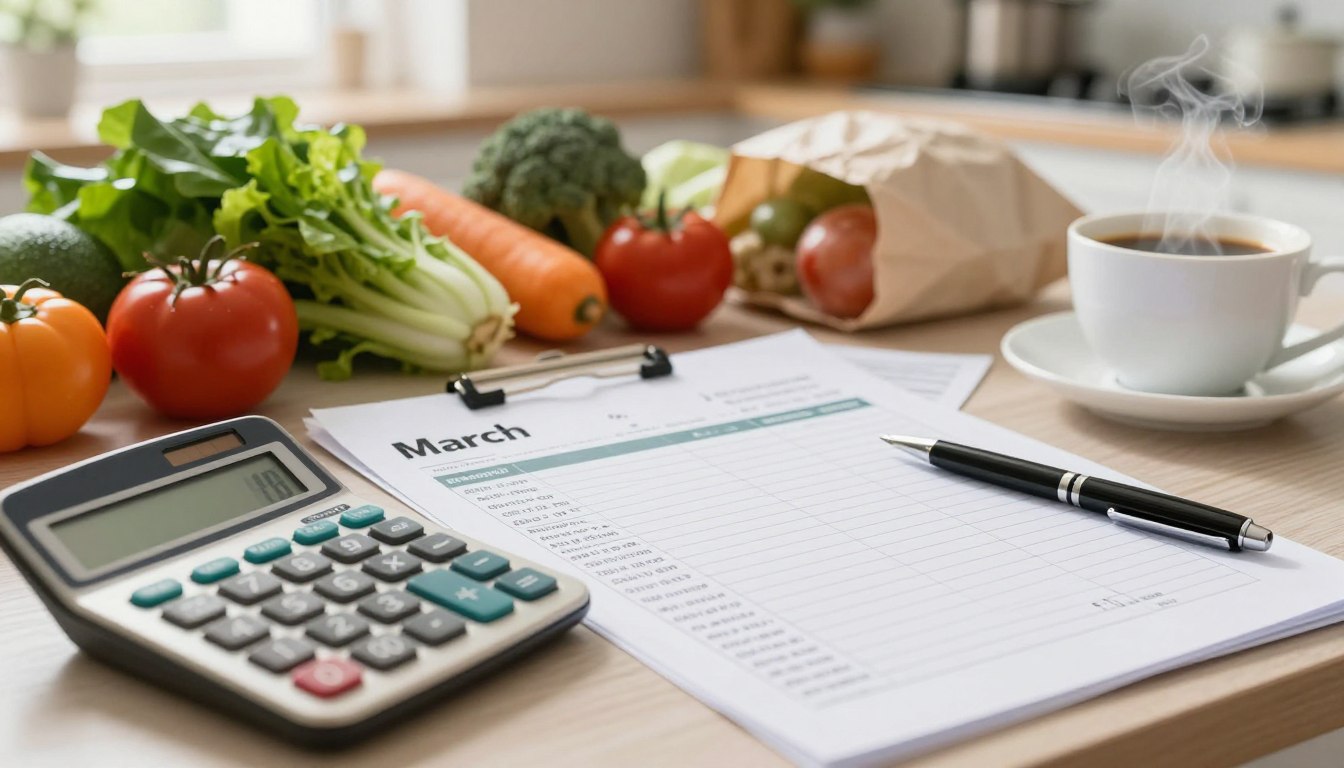
March can be tough on family budgets. Grocery bills often go up just when we need things to be simple. We wonder: why do grocery prices rise in March, and how can we stop it?
Here’s the truth. Grocery prices are way higher than before the pandemic. They're almost 30% higher, says the Bureau of Labor Statistics. Things like coffee and ground beef have seen big price hikes. Even as prices for other things go down, food prices keep going up. Food-at-home CPI went up 0.6% from December 2025 to January 2026. It's 2.1% higher than January 2025.
We wrote this to help our neighbors. This article gives you tips on saving money at the grocery store. We'll talk about why prices go up in March, how to spend less, and the benefits of shopping local. Want to make a change? Check out Lauderhill Mall. Compare prices, meet local grocers, and find deals. Small choices can make a big difference!
Why March Grocery Bills Spike
Every year, March brings changes to our grocery shopping. Produce and dairy prices go up due to seasonal supply changes. Meat and coffee prices also rise, influenced by the wider market. This mix makes our grocery bills seem higher as spring approaches. Winter's end brings these price increases.
Recent data shows why our grocery bills are higher. Food-at-home CPI March reveals a significant increase. Prices went up 0.6% from December 2025 to January 2026. They are now 2.1% higher than last year.
The USDA Food Price Outlook predicts food prices will rise about 3.1% in 2026. This trend keeps household costs high. Even when inflation slows, prices don't drop. They just grow at a slower pace. This means families pay more than before, even if the increase is small.
Some items see big price jumps. Coffee prices rose about 20% year-over-year. Ground beef prices went up around 15.5%. These big increases shock us at the checkout line, even if other items see smaller price hikes. Demand also plays a role. Steady demand for staples means grocers don't lower prices. They adjust based on demand and costs. So, March prices reflect this balance.
We can all make a difference. By watching seasonal price changes and March trends, we can control our budgets. Small changes in planning and buying can help our family's finances.
Macro Drivers: Inflation Trends, Tariffs and Trade Policy
Big forces quietly push our grocery bills up. Rising inflation and trends in groceries affect everyday items. The all-items CPI rose 0.4% from December 2025 to January 2026 and climbed 2.4% year-over-year. Food prices also went up, making items more expensive at checkout.
Tariffs and grocery prices are key. Reuters reported higher tariffs on imports like coffee and fruits. These added costs often end up in higher prices for consumers. When producers face new fees, stores usually pass them on to shoppers.
Trade policy also affects food prices. Tariffs on metals like steel and aluminum increase packaging costs. This adds to the cost of canned goods, beverages, and more. Packaging, transport, and labor all contribute to the final price.
Higher energy costs also play a role. Trucks, processing plants, and cold storage use more fuel when prices rise. This increases the cost of moving goods from farms to stores. These factors, along with pandemic-era changes, create lasting pressure.
We see these as long-term drivers, not just short-term issues. This means shoppers can plan ahead. Understanding inflation, groceries, and trade policy helps our community make better choices. Small changes in shopping habits can help without sacrificing quality.
Supply-Side Pressures That Lift Prices in March
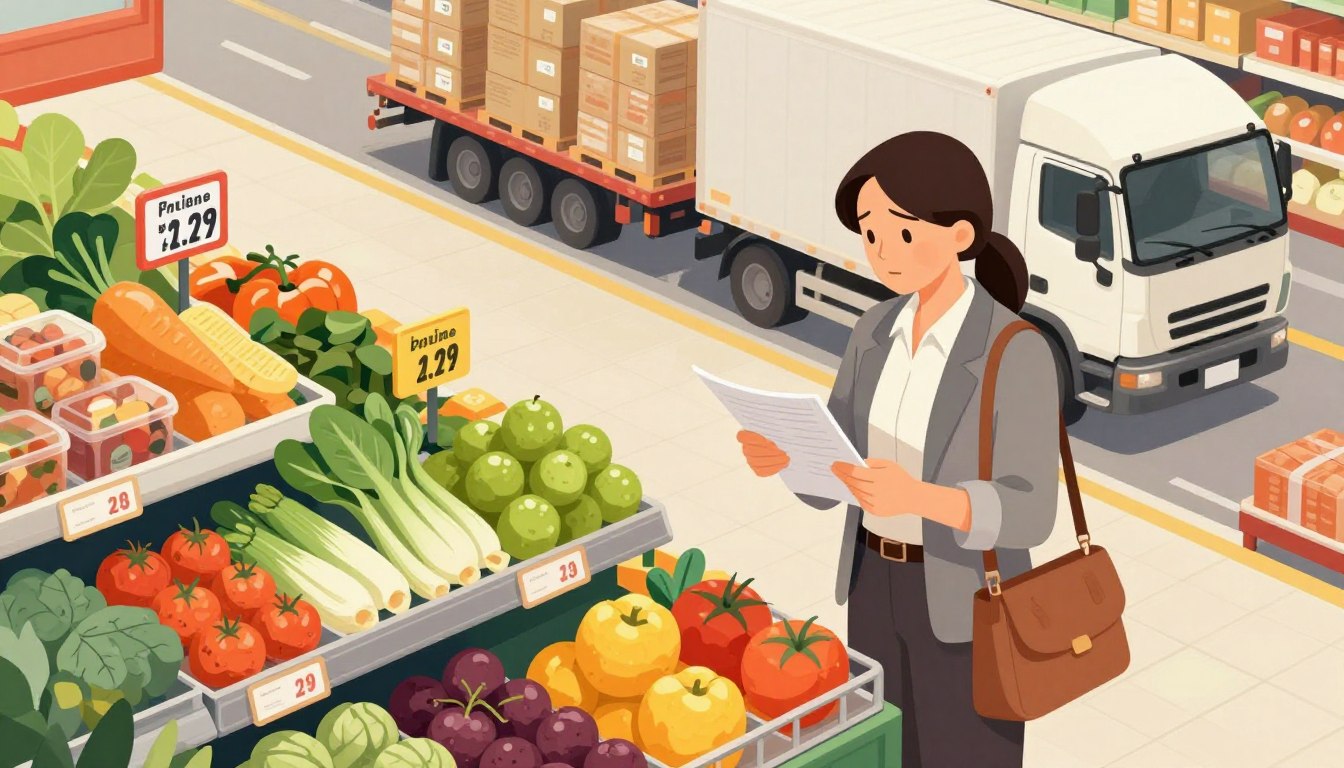
Several factors push grocery costs up in March. Droughts and extreme heat reduce yields for beef, coffee, and fresh produce. The USDA says severe droughts have led ranchers to shrink herds, tightening beef supplies and raising prices.
Labor shortages are common in farms, meatpacking plants, and transport. When workers are scarce, production slows down and wages go up. Bloomberg and other outlets have reported these pressures in packing and processing plants. This means less product makes it to stores.
Weather also impacts groceries in other ways. Heavy storms delay harvests. Frosts damage citrus and vegetables. Crops lost or delayed raise wholesale costs, affecting our weekly bills.
Transportation and fuel add more to final prices. Long trucks, refrigerated trailers, and extra handling increase fuel and logistics fees. The USDA Economic Research Service shows how refrigeration and transport raise costs at wholesale and retail levels.
Packing and materials also play a role. Tariffs and rising metal prices increase can and carton costs. These hikes show up on supermarket shelves. Producer price indexes often move before retail CPI, signaling what shoppers will pay soon.
- Farm-level cattle prices rose sharply in recent years, lifting wholesale beef costs.
- Weather impacts on groceries create short supply windows for fruits and vegetables.
- Labor shortages groceries increase processing time and wages, adding to product costs.
We want to keep shopping affordable! By understanding supply chain food prices and these seasonal pressures, families can plan meals, buy smart, and support local markets when supplies are tight.
Category-Level Changes Shoppers Notice in March
In March, we see big changes at the grocery store. Beef and veal are hard to find, making beef more expensive. Families are now looking for cheaper alternatives like ground turkey. Pantry staples also see price hikes. Coffee prices went up in late 2025, making mornings pricier. To save money, try store-brand coffee, buy beans in bulk, or wait for sales.
Eggs are another story. After a big drop in price, eggs are now cheaper than last year. This is great for making egg-based dishes and saving money. Fruits and vegetables change with the weather and season. We plan meals around what's in season. Swapping expensive berries for apples or root vegetables can save money without losing nutrition.
- Meat: swap steaks for slow-cook cuts or mix beef with beans to stretch servings.
- Beverages: embrace store blends or buy larger bags of coffee on promo days.
- Dairy & eggs: use lower egg costs to batch-cook breakfasts and freeze portions.
- Produce: choose seasonal vegetables and frozen fruit for consistent value.
Sweets and sugar items have also gone up. We avoid buying candy on impulse and save it for special times. Making small changes in what we buy and when can help us eat well without breaking the bank in March.
How Retail Behavior and Store Strategies Make March Feel Pricier
In March, stores change their tactics. They might offer fewer discounts on essentials but more on prepared foods. This makes some items seem more expensive, even if overall prices aren't rising.
Stores aim to keep profits up when costs go up. Chains like Kroger and Publix adjust prices and promotions to stay profitable. This means fewer deals on basic items like milk and bread.
Shrinkflation is another sneaky way prices increase. Brands shrink package sizes but keep prices the same. At first, you might not notice, but it adds up at checkout.
March promotions often focus on convenience foods and ready-to-eat meals. The ERS says prices for these items have gone up faster. Stores respond by promoting these more.
Steady demand for staples means less need to cut prices. Stores can focus on items with higher profit margins. This makes essentials seem pricier by comparison.
To save, check unit prices and compare sizes. Be aware of shrinkflation and seasonal sales. Some deals come back later in the month.
- Scan unit pricing to spot shrinkflation grocery and true value.
- Track retail promotions March to choose when to buy staples or grab prepared meals.
- Buy brands and sizes you trust to avoid surprises at the register.
We want to help you save money. Small steps like reading labels and comparing units can make a big difference. Let's shop smarter together!
Practical Shopping Strategies to Change the Way You Shop
By making small changes, we can save a lot. Begin with a quick plan before you go shopping. Make a list of meals, check flyers, and pick the best deals. This makes smart shopping easy and quick.
Try store brands for basics like rice, pasta, and canned goods. Big stores like Kroger and Publix have good house brands that save money. Many people already use these tips to save every week.
- Plan meals around sale items. If eggs are cheaper, make breakfasts and frittatas that week.
- Choose versatile proteins. Pork loin or chicken thighs are better when beef is pricey.
- Compare price-per-unit on the shelf. This shows real value, not just a sale tag.
Consider shopping with neighbors to split bulk items. Buying big packs of rice or chicken can save money. This way, you use storage better and shop smart without waste.
Freezing and preserving deals keeps your pantry full and your budget steady. Freeze meat, chop veggies, and jar sauces to stretch meals. These steps are practical and save time on busy days.
- Shop with a strict list and stick to it. Rewards programs are okay, but impulse buys add up.
- Use price-per-unit math before buying. A bigger package is only a bargain if you can use it.
- Rotate meals toward cheaper categories when prices are lower. For example, use eggs more when they’re cheap.
We want you to feel confident about saving on groceries. Small steps add up. Try one tactic this week and another next week. You’ll build habits that keep money in your wallet and joy in your kitchen!
Smart Bulk Buying, Storage and Timing Tips
We love sharing simple tips to help families save money without wasting food! Buy nonperishables in larger bags or boxes when they're cheaper. Choose freezer-friendly proteins like chicken thighs, ground beef, or salmon when they're on sale. Freeze them in meal-sized portions. Share a bulk pack with a neighbor to split the cost and storage space! 🧊
Keep your stock fresh and safe by following food storage best practices. Use airtight containers for rice, beans, and flour. Wrap meats tightly before freezing. Label everything with the date to keep meals fresh.
Think about when to buy groceries to catch the lowest prices. Buy seasonal produce during local harvest peaks. Check store flyers and USDA or ERS forecasts for likely dips, like the expected fall in egg prices in 2026. Time purchases around those signals and major sale events to get the best value.
- Pack perishables for the trip home and limit time out of refrigeration.
- Freeze cooked batches for quick weeknight meals.
- Split bulk items with family or friends to lower per-person cost and cut waste.
Remember perishable limits. Even with the best food storage best practices, fridge and freezer space is finite. Keep cold chains unbroken. Fewer trips to the store save on fuel and time. Plan runs so we buy what we need and avoid impulse purchases.
We suggest a simple routine: list weekly needs, note seasonal items, and pick one bulk buy for pantry or freezer each trip. That habit makes bulk buying tips work for any household size. Happy saving and sharing with neighbors!
Tools and Apps to Track Prices and Optimize Shopping
We use simple tools to make shopping easier and friendlier for our community! Start with apps from Kroger, Walmart, and Publix to clip digital coupons and check weekly circulars. These apps pair well with a grocery coupons app like Ibotta or Fetch Rewards to earn cash back on items you already buy.
Try price-compare grocery tools such as Flipp and Basket to scan flyers and match sale prices. They help us see where staples are cheapest before we drive across town. Set price alerts when an app offers them so you get notified when milk, rice, or pasta dips to your target price.
Sign up for store loyalty programs to unlock personalized deals and fuel rewards. Kroger Fuel Points and Walmart+ perks can shave off travel costs and add up over time. Use unit-price labels on shelves to spot the best value per ounce when apps aren’t handy.
- Use a grocery coupons app for instant savings at checkout.
- Use price-compare grocery features to plan which store to visit.
- Set alerts and check unit prices to stretch your budget further.
Share deals in neighborhood groups on Facebook or Nextdoor. Families post local sales and swaps all the time. We can use community tips and grocery price tracking apps to save together and support local shops!
Local Focus: Shopping Strategies When Visiting Lauderhill Mall and Nearby Grocery Options
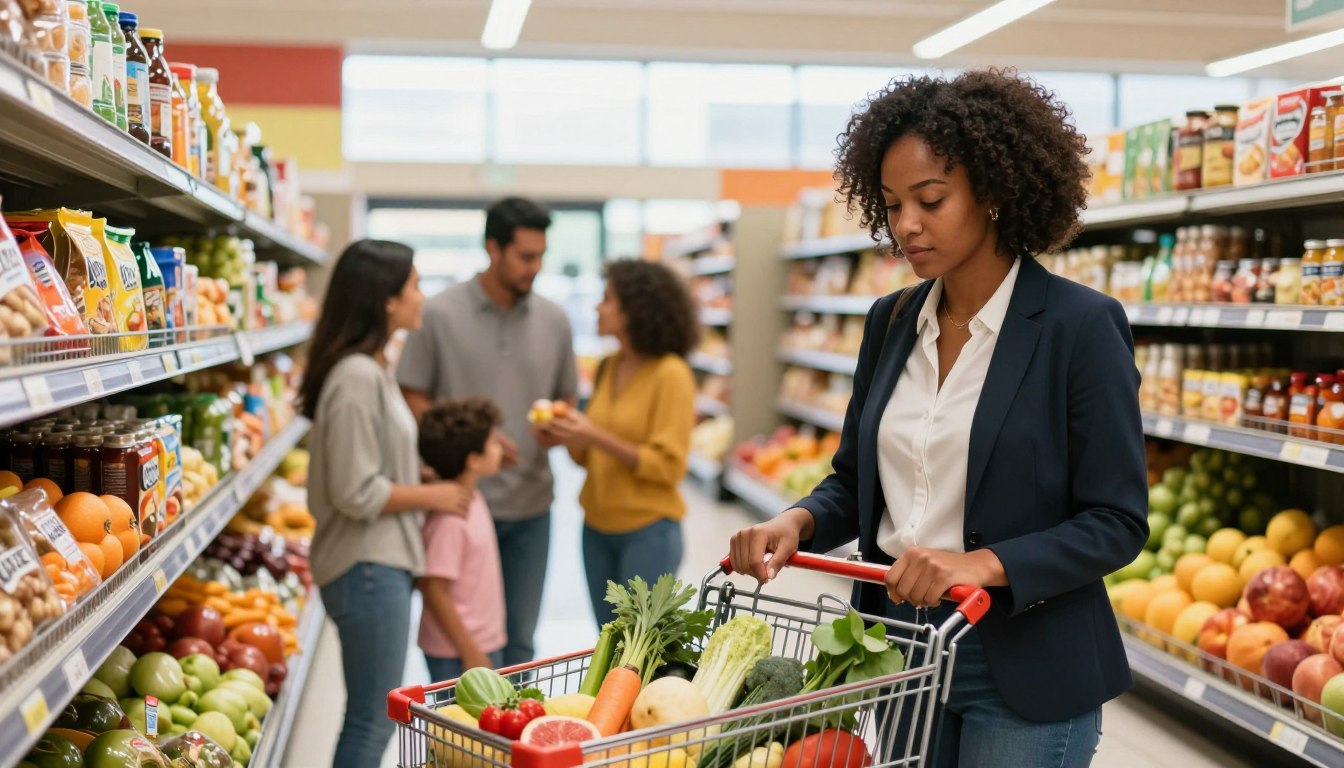
We plan trips to save time and gas! When we visit Lauderhill Mall, we do both mall shopping and grocery runs. This way, one trip covers all our needs for the week. Look for big chains like Publix, Winn-Dixie, Walmart, and ALDI near the mall. These stores offer great deals and digital coupons. We check their apps and flyers before we go.
Don’t miss out on independent markets around Lauderhill Mall. Local grocers have diverse items for family meals. Visiting small vendors lets us find fresh produce and specialty spices at good prices.
- Check early-week sales to avoid weekend price hikes.
- Use retailer apps for digital coupons and rewards.
- Split bulk buys with neighbors to lower cost and waste.
We suggest visiting both mall stores and nearby markets to compare prices. Scanning receipts and flyers helps us find real savings. This approach makes buying Lauderhill Mall groceries more valuable.
Supporting local grocers keeps money in the community and celebrates cultural diversity! We meet neighbors, share recipes, and help small businesses. Try these steps next time you shop Lauderhill Mall and explore grocery options near Lauderhill Mall for a smarter, kinder way to shop.
Longer-Term Changes: Reshaping Your Shopping Habits Beyond March
We can protect family budgets and strengthen our neighborhoods together! Start with long-term grocery budgeting that fits your household. Track regular purchases for a month. Spot items you buy every week. Use that list to set realistic monthly limits. Small shifts add up fast.
Build seasonal meal plans. Plan dinners around what’s fresh and cheaper each season. This makes meal planning long-term easier and cuts waste. Keep a flexible shopping list that adapts to store sales. Swap in beans, lentils, and frozen vegetables when meat prices climb.
Embrace sustainable shopping habits at home. Learn basic preservation skills like freezing, pickling, and vacuum-packing. Invest in a family freezer and stock pantry staples during big sales. Buying extras on sale means fewer impulse buys later.
- Rotate pantry items so nothing spoils.
- Batch-cook and freeze portions for busy nights.
- Try plant-forward meals two or three times a week.
Plan with economic forecasts. ERS projects overall food prices to rise about 3.1% in 2026, with beef and nonalcoholic beverages likely to climb faster and eggs likely to ease. Use those trends when deciding what to buy now and what to wait on.
Join community co-ops, CSA programs, or local buying clubs. These options stabilize costs and support local farmers and vendors. Working together means better prices and stronger neighborhood ties. We benefit as families and as a community!
Keep meal planning long-term simple. Use a shared calendar for family meals. Rotate favorites and leave room for sale finds. Long-term grocery budgeting becomes a team habit when everyone helps.
Shift habits gradually. Pick one new routine this month. Try a week of plant-forward dinners. Add one preservation skill. These steps build sustainable shopping habits that last. We’ll save money and nurture our local food network while feeding our families well!