
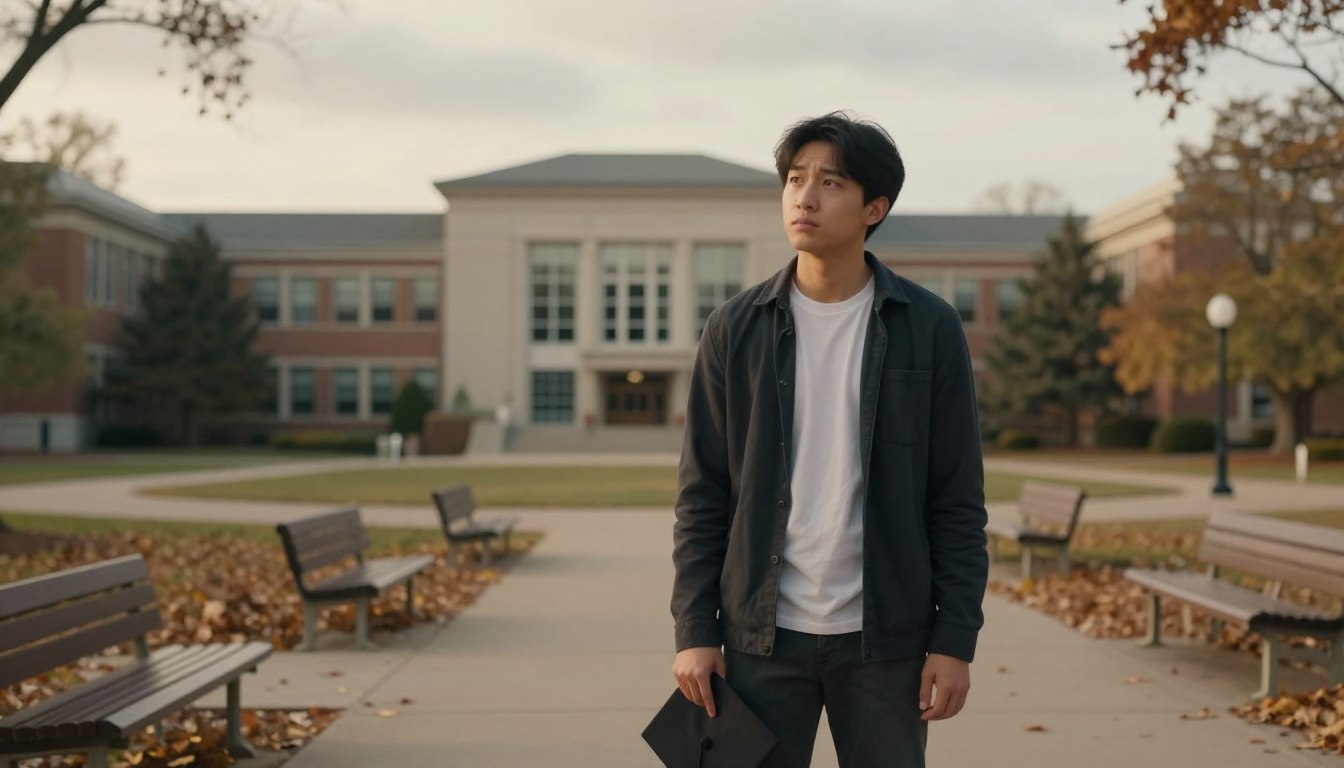
We've all seen perfect photos of classmates on Instagram. It can make us doubt our own plans. Feeling lost after graduation is common, and it feels like everyone else has a clear path. But this feeling is a natural part of growing up. As kids, we felt scared and free when we got lost. Now, it's a time of late nights and new experiences that help us find ourselves.
This anxiety comes from losing structure and making big choices. It's normal to wonder if we made the right choice or why others seem so sure. These doubts don't mean we've failed. They mean our minds are adjusting.
Getting lost can be a chance to learn. Trying new things, like classes or jobs, helps us make decisions and discover ourselves. We learn by exploring, talking to others, and seeing mistakes as lessons.
We're a community that cares. If you're looking for a place to belong or a calm routine, Lauderhill Mall is a great start. Visit to meet local owners, find study spots, or join a meet-up. It's a simple way to connect and find what matters to you.
Come visit Lauderhill Mall. Support local businesses, try new things, and find your way. We're here to support you in this journey of self-discovery after graduation.
Understanding the Transition From Student Life to Independence
We see our friends on Instagram moving from college to new lives. Their posts show both perfect mornings and chaotic nights. It's clear that moving on after graduation is not always easy.
School gives us clear rules from teachers and parents. But after graduation, we make our own schedules. This freedom can lead to late nights, trying new things, and making mistakes. It's a chance to learn by doing.
Losing school's structure affects our daily lives and who we are. Without a routine, we might feel anxious and question our future. We worry about making friends, choosing a career, and feeling left behind.
Growing up means facing new challenges and changes in who we are. Finding a new routine takes time. We can get help from our community, family, and local businesses. They offer advice, jobs, and places to meet new people.
- Recognize that transition after graduation is a process, not a single day.
- Accept loss of routine as a normal stage, not a personal failure.
- Seek trusted advisors to ease independence challenges and shape post-grad identity.
Feeling Lost After Graduation
We scroll Instagram and see our friends taking gap trips, starting jobs, or studying abroad. These posts can make us feel like we're the only ones feeling lost after graduation. Reaching out in comments or DMs often leads to honest replies. These shared voices remind us we are not alone.
Remember that time at a busy mall when you got lost from your parent near Big W and felt panic. That feeling of being lost echoes the metaphor many of us feel now. Being stuck after high school can feel like unsure classes, unclear job paths, or a gap in plans. These moments usually come before learning new skills.
Rachel McDonough captures the anxious after graduation pattern well: overthinking, avoidance, trouble sleeping, and second-guessing choices. These reactions are normal responses to big change. Recognizing symptoms makes them easier to address.
Post-grad confusion often stems from pressure to have a plan right away. We remind each other that plans evolve. Small steps count: try a part-time role, volunteer, or take a short course to test interests without a long-term commitment.
We suggest checking in with family, school counselors, or neighbors. Local mentors and small business owners can offer practical advice and entry-level opportunities. Peer groups and community centers are great for support and real-world tips.
When feeling stuck after high school, keep talking. Use the community around you for honest feedback and small chances to grow. Those conversations help turn anxious after graduation moments into quiet progress and clearer choices.
Why Being Lost Is an Opportunity for Decision-Making Practice

Feeling lost is like a classroom for real life. When we face many post-grad decisions, we can see them as experiments. This view helps us learn to make decisions quickly.
Start with small choices. Try a new route in the grocery store, join a class, or volunteer for a few weeks. These choices are low-risk and let us practice without too much pressure. Every small success builds our confidence.
We share our experiments on Instagram and follow others who try new things. Seeing others learn from mistakes helps us accept it too. Talking to family or mentors can also be helpful.
Think of a six-month experiment as a film school term. It helps us figure out what we like and what we don't. This short test helps us find our direction while keeping our plans flexible.
- Begin with low-risk tests to sharpen decision-making skills.
- Reflect on outcomes to practice making choices with purpose.
- Ask clear questions and consult trusted people before big moves.
- Set short experiments for jobs, classes, or volunteer roles.
We avoid getting stuck by seeing choices as reversible. Believing a choice is final can cause anxiety. Seeing being lost as a chance to practice helps us learn, make better choices, and avoid getting stuck.
Try a simple routine: set a small goal, track your progress, discuss it, and adjust your plan. This cycle helps you make decisions calmly and clearly. We're cheering you on as you take these steps!
How Feeling Lost Fosters Self-Discovery and Values Clarification
Feeling lost can be the first step to discovering yourself after graduation. Looking at Instagram, seeing friends' new adventures, and following different creators can spark your curiosity. Small updates and stories from others can show us what's important to them and might be important to us too.
Exploring different paths helps us figure out what we value. Maybe one of us tried film school, while another stayed in university classes before changing direction. These experiences teach us what we enjoy and what we don't. Each step helps us identify our priorities and what we won't compromise on.
When we lose our routine, we have space to think about who we want to be. McDonough talks about how school changes can open doors to finding our purpose. Feeling anxious can actually help us find our way by showing us what we're interested in.
Being part of a community gives us a safe space to explore who we are. Local families, mentors and counselors, and small businesses offer us jobs, volunteering, and internships. These experiences let us try out different roles in real life. Talking to people in our community helps us understand our values better, tied to our culture and family.
- Follow creators who reflect values you admire to aid self-discovery after graduation.
- Try short projects to quickly learn what fits and what doesn't.
- Talk with mentors to turn anxiety into clues for purpose finding.
We aim to keep things warm and hopeful here. Feeling lost is not a failure. It's a chance to explore, figure out what's important, and find a life that matches our values and strengths.
Practical Strategies to Navigate Uncertainty and Reduce Anxiety
The first months after graduation can be tough. Use social platforms like Instagram to find supportive groups and local pages. Follow licensed therapists, campus counseling centers, and community organizers. Stay away from feeds that spark harmful comparisons!
Try simple routine habits to manage stress. Sleep on a regular schedule. Limit caffeine late in the day. Add short walks or home workouts. These small steps help with managing uncertainty and build steady momentum.
Practice decision-making as an experiment. Break big choices into tiny actions. Test a part-time job, volunteer shift, or weekend class. Treat results as feedback, not failure. This approach offers coping strategies after graduation and frees you to learn quickly.
Watch for common anxiety signs like overthinking, avoidance, or sleep problems. When these show up, name the triggers. Fear of the unknown and pressure to succeed are normal. Use a checklist to break decisions into smaller steps and add structure to your week.
- Talk options through with family, friends, or a mentor.
- Use school counselors or licensed therapists when worry feels heavy.
- Join local meetups at community centers or Lauderhill Mall for casual connection.
Local part-time jobs and small business mentorships can build routine and confidence. We encourage family conversations about goals, budgets, and timelines. These chats offer real support and practical tips.
- Create a weekly plan with one small goal each day.
- Set aside a weekly check-in with a trusted person to review choices.
- Bookmark mental health tips for grads from reputable professionals and local resources.
Use community spaces and friendly faces to reduce isolation. Meeting neighbors, visiting a café, or volunteering gives structure and purpose. These simple acts help reduce post-grad anxiety and improve overall well-being.
We’re here to remind you that managing uncertainty takes practice. With steady routines, supportive networks, and clear small steps, you can use these coping strategies after graduation to grow stronger and more sure of your path.
How Social Connections and Community Help During the “Lost” Phase
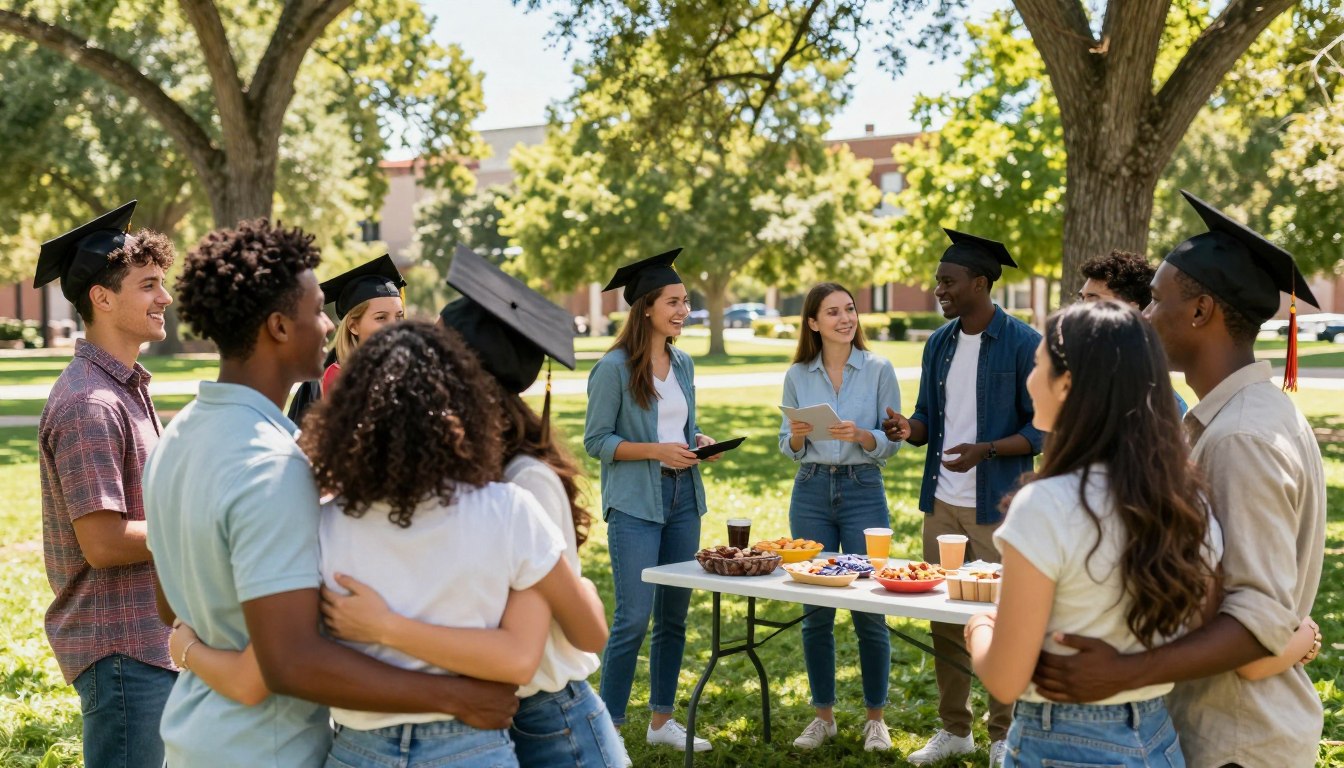
Feeling lost after graduation can be tough. But, reaching out for support can make a big difference. Instagram and local groups are great for finding people with similar interests and job leads. They help you build a community, not compare your life to others.
Friendship circles offer two main paths. Some friends have clear career paths and offer practical advice. Others are learning together, supporting each other every step of the way. Both provide valuable support and feedback.
Mentorship is key when you're not sure what to do next. A mentor can be a steady guide during uncertain times. They help break down big decisions into smaller, manageable steps. This reduces stress and opens up new opportunities.
Families and local businesses can also help with part-time jobs, apprenticeships, and volunteer work. These opportunities help you build skills, earn money, and find structure. They also help you meet new people and form lasting connections.
We encourage grads to explore community events at Lauderhill Mall or nearby centers. Events like pop-up markets, volunteer drives, and meetups bring people together. These gatherings celebrate cultural diversity and help create a sense of belonging.
Start small. Try attending a workshop, asking for a coffee chat, or joining a volunteer event. These small steps can lead to strong community support and lasting networks of friends.
Turning Exploration Into Career and Educational Momentum
After graduation, we see it as a time to try things out. Start with small steps like part-time jobs, community college, or volunteering. Each one helps us learn what we're good at and what we like.
Instagram is great for finding local job ads and stories about apprenticeships. Follow people who share what their workdays are like. Their stories can lead to real job chances and honest advice.
Think of early tries as short films or weekend workshops. For example, a film school stint might lead to a degree or a related job. See these short tries as steps toward bigger plans.
- Try internships and apprenticeships to learn fast and get references.
- Keep part-time jobs to fund longer goals and avoid burnout.
- Use community college classes to test interests before big commitments.
We don't have to choose just one path right away. McDonough says don't get stuck because you want to be perfect. Instead, gather experiences and turn them into things that look good on your resume and help you decide what to do next.
Places like Lauderhill Mall offer chances to practice skills like customer service or retail. Community centers have projects where you can meet people and learn new things. Families can support your short experiments with time or money.
Career services, counselors, and mentors help make sense of your tries. They show how internships and apprenticeships can lead to real jobs. Their advice helps you move forward toward your long-term goals.
Make a simple plan and save for the future. Link small successes to bigger ones. This way, exploring careers after graduation feels meaningful, not pointless!
Relating Feeling Lost to Everyday Life: Visiting Lauderhill Mall and Local Routines
We find comfort in ordinary places. A trip to the mall can feel like a soft landing when plans are uncertain. Lauderhill Mall visits offer a gentle way to test new routines and meet people without pressure.
Many grads say familiar hallways and food courts bring back childhood memories. Those memories turn public spaces into learning spots where we first practiced independence. A lost moment in a store or an aquarium visit can teach us how to ask for help and calm down.
Using the mall as a practice ground makes sense. Local routines for grads can include simple, repeatable actions. Meet a friend for coffee, browse shops, or volunteer at a weekend event. These small steps build rhythm and confidence.
Lauderhill Mall works as a community space for young adults. It hosts pop-up markets, cultural celebrations, and casual meetups that connect us with neighbors. Such events help grads expand networks and learn workplace basics.
Think of the shopping center as social hub where low-stakes experiments happen. Try an entry-level shift at a retail store, help at a local stall, or ask a manager for tips over lunch. Each attempt becomes a resume line and a moment of growth.
- Use the mall as a meeting spot to plan regular hangouts.
- Look for part-time retail or food-service roles to gain responsibility.
- Attend community events and pop-ups to meet diverse neighbors.
- Treat a visit as a one-day experiment: shadow, volunteer, or network.
Families can pitch in by bringing grads along for supportive outings. Small businesses at Lauderhill Mall welcome young workers and mentoring moments. Share wins on Instagram with hashtags to celebrate progress!