
Getting ready for Lunar New Year can be tough. You might wonder which foods bring good luck. And what dishes should you serve at the reunion dinner to honor tradition? Many families aim to invite luck and prosperity. But they're not sure which Chinese New Year lucky foods carry meaningful symbolism.
This guide helps by listing the most important New Year food symbolism. It also gives you a clear lucky foods list for planning meals. From fish that represents surplus to dumplings that resemble ancient ingots, we explain why each dish matters. Each dish has its own significance in a sixteen-day festival of family and celebration.
Whether you’re hosting friends in Miami or picking ingredients in Fort Lauderdale, this guide is for you. It sets the stage for easy, authentic choices. Read on for practical tips that make shopping and cooking less stressful and more meaningful.
Ready to gather ingredients and celebrate? Visit Lauderhill Mall for fresh produce and festive events. Shop now and make your reunion dinner a lucky on Chinese New Year moment.
Why Food Matters During Chinese New Year: Symbolism and Tradition
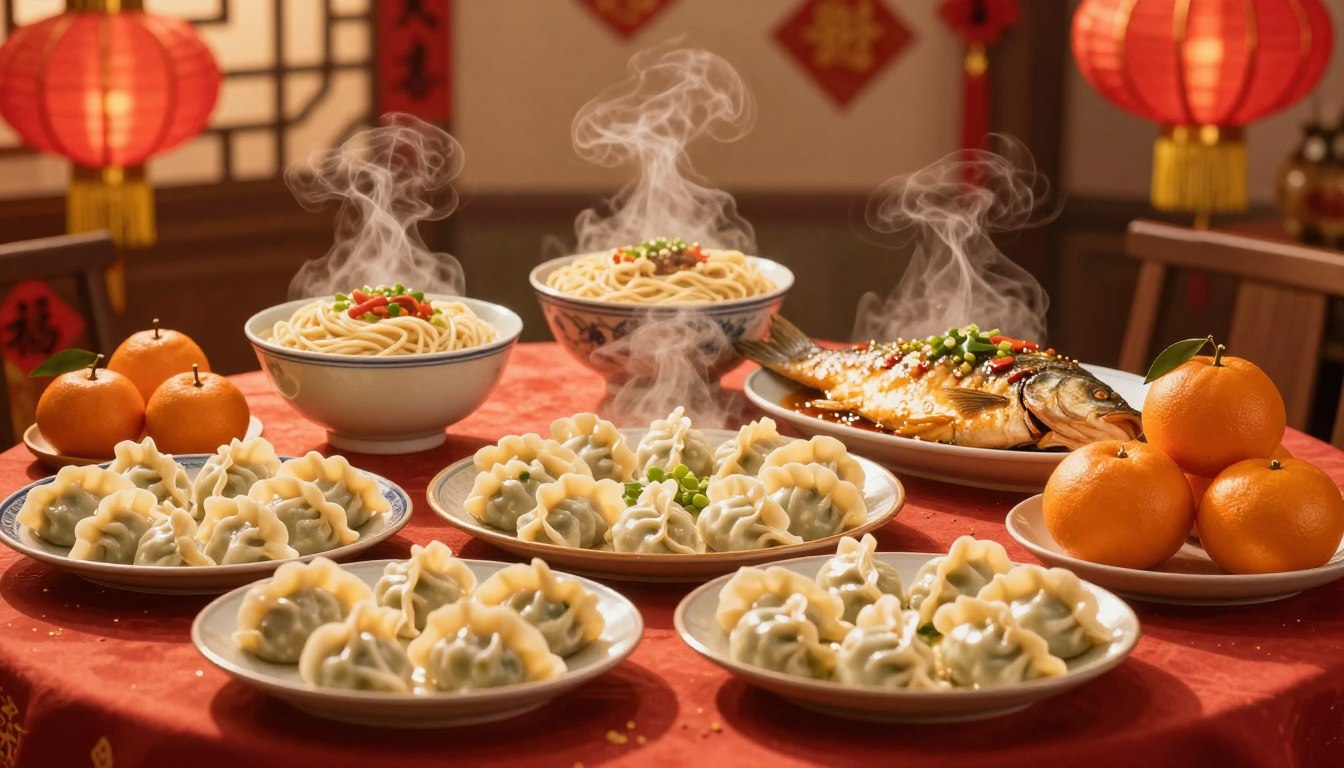
Food is at the center of the Lunar New Year. Families come together for a reunion dinner. This meal marks the end of one year and the start of another. The feast's preparation is key. Dishes are picked for their meaning and taste. Fish symbolizes abundance, and oranges are chosen for their resemblance to wealth.
New Year foods blend symbolism with local traditions. In northern China, dumplings represent grain and shelter. In the south, rice cakes and sweet rice desserts reflect rice-based customs. Cooking methods also vary, showing local history and resources.
Many dishes have deep meanings. Niangao sounds like "higher year," and spring rolls look like gold bars. Longevity noodles are served uncut to wish for long life. These meanings vary by family. How food is served is important too. Fish is served whole to show there's enough to go around. A whole chicken represents unity and family wholeness. These practices add to the meal's symbolism and hopes for abundance.
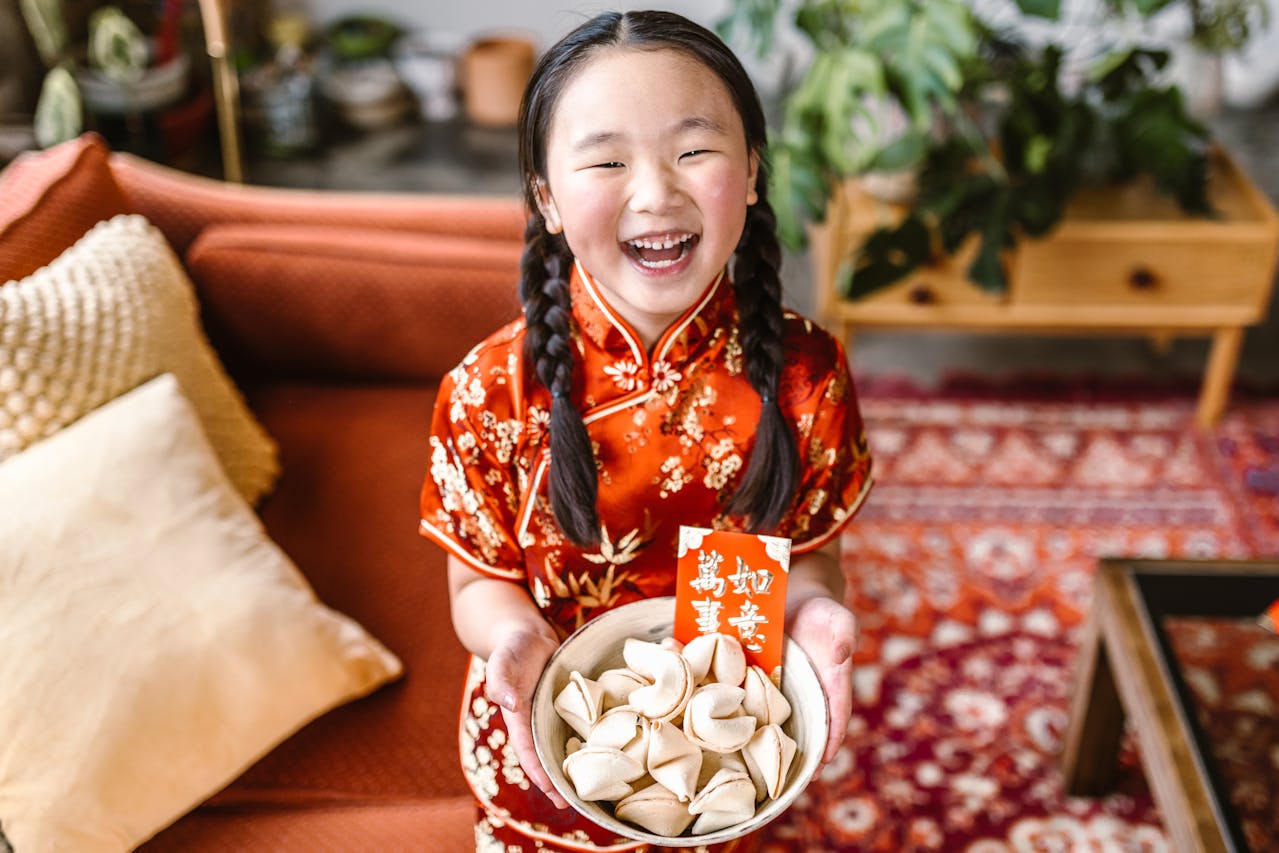
Preparing food together is a big part of the tradition. Making dumplings, curing meats, and hanging preserved pork are tasks that bring generations together. These activities keep old traditions alive and strengthen family bonds during the New Year.
Fish: Symbol of Surplus and Prosperity
Fish is key at the reunion dinner because "yú" sounds like "surplus". Families wish for abundance each year by serving a whole fish. They leave some on the plate to show the wish for more.
How you present the fish is important. Many families put the head and tail on the platter. This signals a good start and end to the year. In some places, the head or tail is eaten only at the start of the new year, keeping renewal alive.
Cooking styles vary across China. In Guangdong, a simple steamed whole fish with soy, ginger, and scallions is common. Hangzhou cooks make West Lake vinegar fish for a tangy flavor. Other areas steam fish with fermented black beans and garlic, while Suzhou prefers deep-fried squirrel fish with sweet-sour sauce.
When planning a menu, choose a fish with good luck associations. Freshwater fish like carp are popular for their favorable sounds and meaning. Serving a whole fish makes a stunning centerpiece and emphasizes the wish for abundance.
Chinese Dumplings: Wealth and Good Fortune
Dumplings, or jiǎozi, are a key part of Chinese New Year. They have a history of over 1,800 years. In northern China, they are a big deal because of wheat, not rice. Their shape reminds people of old silver ingots. This is why eating many dumplings is thought to bring wealth. It's believed that the more you eat, the more luck you'll have.
Fillings can be ground pork, shrimp, fish, chicken, beef, or vegetables. For those who don't eat meat, there are options like radish, leeks, and tofu. These add a bright, savory taste. To make dumplings, you mix dough and roll out thin wrappers. Then, you add filling and fold or pinch the edges. You can boil, steam, pan-fry, or deep-fry them.
Making dumplings is a family affair. Relatives come together to wrap and cook. They share recipes and techniques. Leftovers are great for feeding guests during the holiday.
Enjoy dumplings hot with vinegar or soy sauce. A fun tradition is to hide a coin in one dumpling. The person who finds it gets good luck for the year.
Whole Chicken and Family Wholeness
Serving a whole chicken at the reunion dinner chicken table carries deep meaning. The whole bird, with head and feet, stands for a family's completeness. It also symbolizes a smooth start and finish to the year. In many dialects, the word for chicken sounds like words for good fortune, making the whole chicken Chinese New Year a clear symbol of blessing.
Presentation matters when families place the bird on the table. The intact chicken signals respect for ancestors. It also offers a visible sign of chicken symbolism unity among relatives. Placing the dish first as an offer shows care for tradition and hopes for shared luck.
Typical preparations keep flavors honest: simple braising with ginger and soy or a crisp roast highlights the meat and skin. Some households serve the feet to the household head. This is because old beliefs tie talons to “grabbing” wealth, reinforcing the idea of prosperity at the reunion dinner chicken.
Bringing a whole chicken to the table is both practical and symbolic. It feeds many, honors elders, and makes the meal feel whole. This dish remains one of the most powerful expressions of chicken symbolism unity during New Year gatherings.
Niangao (Chinese New Year Cake): Raising Status and Success
Niangao, the sticky rice cake, is a key part of New Year's Eve. It connects food and fortune in a simple way. The name "niangao" means "getting higher year by year," symbolizing hopes for success and progress.
Traditional recipes use glutinous rice, sugar, chestnuts, and Chinese dates. A common recipe steams the mix until it becomes a dense, sweet loaf. Different regions add their own twist, like wrapping it in lotus leaves or adding coconut for extra flavor.
The glutinous rice cake has deep roots in tradition. It was once offered at temples and ancestral tables. Today, families share it to wish for good health, wealth, and social advancement in the new year.
Other rice desserts also appear at celebrations. Fa gao, the prosperity cake, is judged by how its top splits. Eight-treasure rice combines fruits, nuts, and seeds, symbolizing abundance and harmony.
Making a simple year cake recipe at home is a meaningful ritual. A small batch of niangao brings tradition into the kitchen. It keeps the symbolism alive for both children and elders.
Spring Rolls and Golden Wealth
Spring rolls, or chūnjuǎn, are a key part of reunion meals in East and South China. Their golden, crispy shell reminds people of gold bars. This connection adds to the wealth symbolism of the Spring Festival. Inside, you'll find shredded carrots, cabbage, bean sprouts, shiitake mushrooms, and pork. Some families prefer sweet fillings or just vegetables, depending on their taste and dietary needs. The wrappers are made from thin, wheat-based dough. When deep-fried, they become crunchy. This process gives them a lucky, golden color, symbolizing wealth and prosperity.
In Cantonese dim sum and home kitchens, spring rolls are served hot and crispy. They come with dipping sauces. This mix of textures makes them a hit at gatherings. Many wonder about the difference between egg rolls and spring rolls. Egg rolls are thicker and have a different frying method. Spring rolls, on the other hand, are thin and light. This makes them a visual representation of wealth.
Adding spring rolls to your New Year menu is a great idea. They symbolize abundance. Their taste and appearance honor tradition and bring good fortune.
Sweet Rice Balls (Tangyuan): Reunion and Togetherness
Tangyuan are soft glutinous-rice flour balls in warm syrup or broth. The name tangyuan means coming together, symbolizing reunion. In southern China, families enjoy tangyuan during the Spring Festival. In Shanghai and nearby, they eat them during the New Year for family harmony.
Fillings include plain, black sesame paste, red bean, or peanut. Some bowls have fermented rice or osmanthuses, adding a fragrant touch on cold nights. Lantern Festival tangyuan close New Year celebrations for many. Serving them then highlights unity and warmth among relatives.
These simple rounds hold deep cultural significance. A bowl of tangyuan signals hope for closeness and strong bonds in the coming year.
Longevity Noodles: Wishes for Long Life
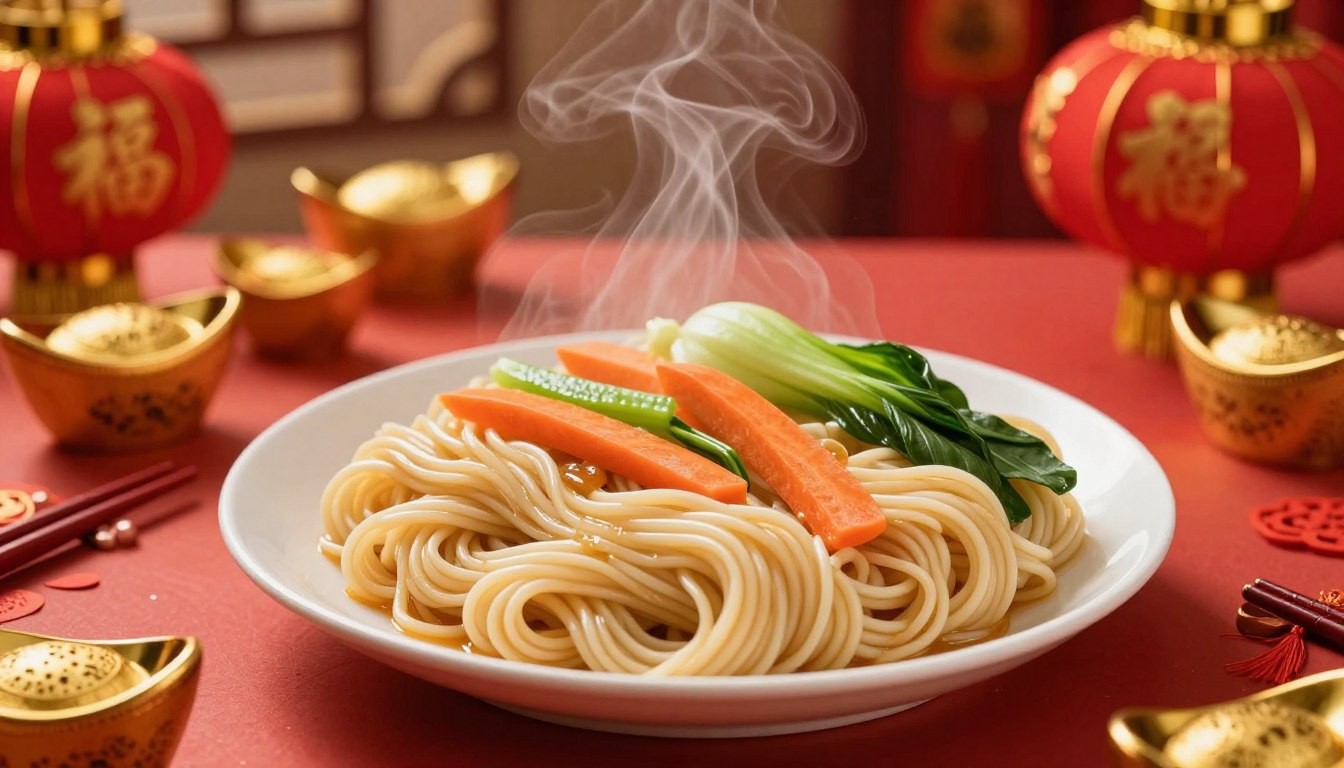
Longevity noodles, called changshou mian in Mandarin, are common on New Year tables. They symbolize health and long life. The noodles are long, and cutting them is avoided to keep life whole and extended.
How to prepare them varies by region and taste. Some stir-fry them with oyster sauce, mushrooms, and bok choy. Others serve them in a light broth with soy and ginger. These long noodles emphasize the wish for longevity.
These noodles are not just for New Year's. They're also served at birthday dinners to wish elders good health. At the table, diners lift the noodles whole, avoiding cuts. This honors the tradition of uncut noodles and good fortune.
In North China and Chinese communities in the U.S., long life noodles are a key part of festive meals. Serving them at Chinese New Year adds warmth and meaning. It reminds everyone of family, respect, and wishes for many healthy years.
Lucky on Chinese New Year: Citrus, Fruit, and Their Meanings
Citrus fruits are a common sight at New Year celebrations in Chinese American homes. Their round shape and golden color symbolize wealth and completeness. So, placing a bowl of fruit for Lunar New Year is both festive and meaningful.
Tangerines and oranges are lucky because their names sound like words for success and good fortune in Mandarin. Families give tangerines and kumquats as gifts to wish each other prosperity and joy for the new year.
In southern China and many overseas communities, pomelos hold deep symbolism. The fruit's name sounds like words for "to have" and "again," suggesting continued abundance. A whole pomelo on the table signals hopes for steady gains.
How you present the fruit is as important as what you choose. Small potted kumquat trees make lively centerpieces. Fruit baskets with oranges, tangerines, and a pomelo combine beauty and tradition. Guests often eat citrus at the end of a meal, while kumquats are enjoyed peel and all.
Seasonal timing adds to the custom. Late winter is when citrus fruits are sweet and ripe. This makes citrus Chinese New Year offerings a simple way to honor heritage and welcome luck.
Other Lucky Dishes: Meatballs, Pork, Shrimp, Vegetables, and Sweets
Lion's Head Meatballs are a big part of New Year's traditions. These large meatballs from Shanghai sit in a sweet sauce. They symbolize family unity and strength with their round shape and lion look.
Steamed pork belly taro is a comforting dish. It combines tender pork with starchy taro. In southern kitchens, it's a sign of prosperity and abundance.
Shrimp add joy to many menus. In Cantonese-speaking homes, shrimp sounds like laughter. So, serving shrimp means wishes for happiness and laughter in the new year.
Vegetables bring spring and renewal to the table. Greens like bok choy and Chinese broccoli represent growth and energy. They wish for steady progress for the family.
Sweets end the meal with hopes for a sweet start. Eight-treasure rice is a pudding of good fortune. Small cakes like fa gao are prized for their split tops, signaling luck.
Regional tastes shape the dishes at the table. Families choose items that reflect local custom and ingredients. Together, these dishes create a balanced feast for a lucky new year.
How to Plan a Lucky New Year Menu and Shopping Tips
Begin with a lucky menu checklist. It should list dishes like fish for abundance, dumplings for wealth, and a whole chicken for unity. Also, include niangao for status, spring rolls for fortune, and tangyuan for reunion. Don't forget longevity noodles for long life and citrus for luck. Organize your menu with appetizers, mains, staples, vegetables, and sweets. Offer vegetarian options for guests with dietary restrictions. Add a regional specialty like lion’s head meatballs or steamed pork belly with taro.
Create a grocery list for the New Year, separating perishables from pantry items. Buy fresh produce, citrus, meats, and seafood just before the holiday for the best taste. Stock up on glutinous rice flour, dumpling wrappers, sauces, and dried goods early.
When shopping, use Chinese New Year tips. Visit H Mart, 99 Ranch, or local Asian markets for special items. Mainstream stores like Whole Foods, Publix, or Kroger have seasonal citrus and staples. Save time by prepping ahead. Practice wrapping dumplings or buy ready-made skins. Make niangao and tangyuan with family recipes. Freeze extra dumplings for later guests and reheat by steaming or pan-frying.
For successful cooking, keep longevity noodles uncut and serve fish whole. This symbolizes abundance. Present the whole chicken to highlight family unity. Use gentle steaming for delicate items and low simmering for rich braises.
Presentation and etiquette are key. Arrange citrus in red baskets and scatter red envelopes or almond cookies as gifts. Label dishes with their symbolic meaning. Keep a compact lucky menu checklist visible to guide service and portioning.
Before shopping, plan your Lunar New Year menu and make a clear grocery list. Follow Chinese New Year shopping tips to pace purchases and reduce waste. Proper prep makes the celebration smoother and more meaningful.