
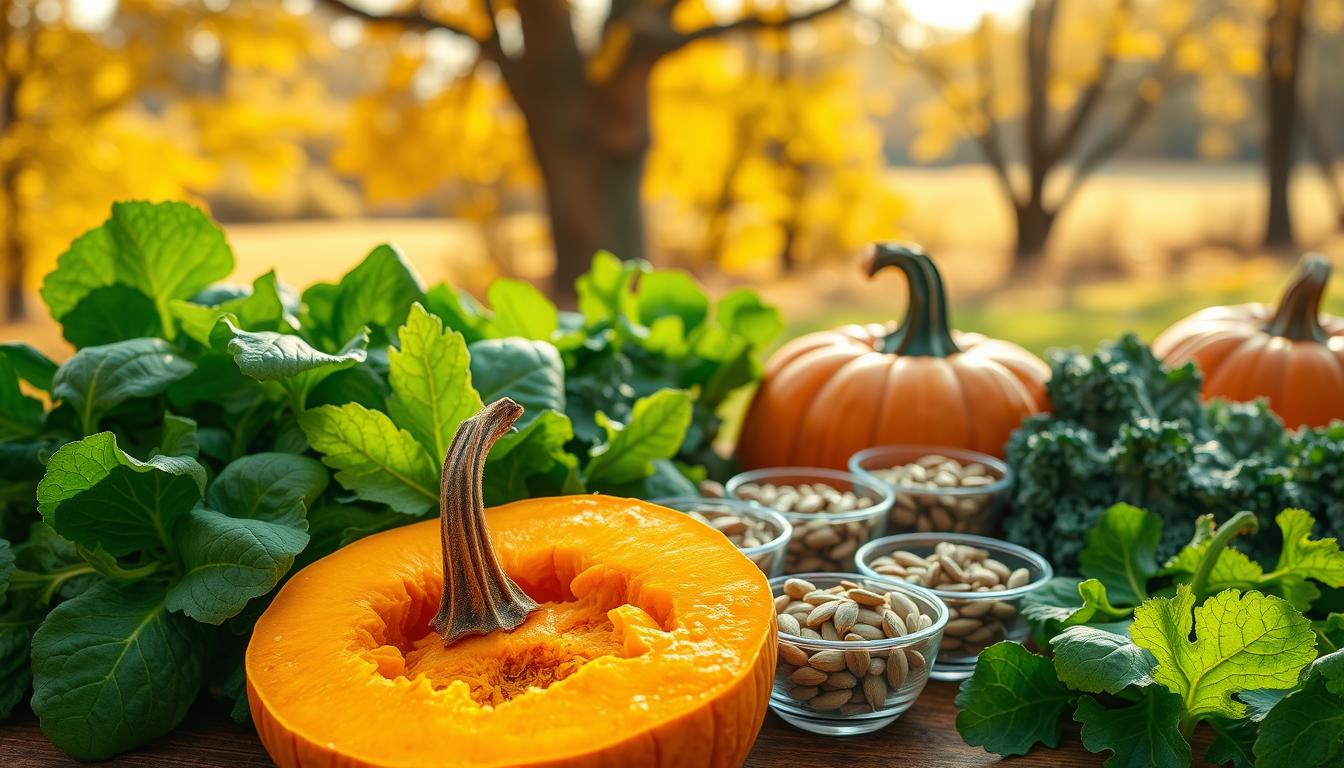
Want to eat well but feel unsure which seasonal foods offer real value? Pumpkin offers a simple place to start. Its history as a food reaches back thousands of years in Mexico’s Oaxacan region. Indigenous peoples in North America ate pumpkin flesh and pumpkin seeds, and the crop later helped feed early settlers.
In the Northern Hemisphere, pumpkin season usually runs from late August through October. Pumpkins come in more than orange, including yellow, green, blue, white, black, and pink varieties. As we explore pumpkin nutrition and the health benefits of pumpkins, we will examine pumpkin health research carefully.
Ready to make seasonal shopping part of your routine? Visit Lauderhill Mall, browse its shops, and enjoy a welcoming community outing. Then bring home pumpkin-inspired ingredients and find a fresh way to enjoy the season!
Pumpkin Nutrition: Vitamins, Fiber, and Antioxidants
One cup of cooked pumpkin has 49 calories, 12 grams of carbs, and 2.7 grams of pumpkin fiber. It contains very little fat and offers 1.8 grams of protein. These pumpkin nutrition facts make pumpkin a simple, filling choice for soups, sides, and baked dishes.
Pumpkin vitamins include vitamin A, with 245% of the Daily Value in one cup. The same serving provides vitamin C, vitamin E, riboflavin, copper, magnesium, potassium, and iron. Orange pumpkin gets its color from beta-carotene, one of the pumpkin antioxidants, along with other carotenoids and polyphenols.
Pumpkin seeds offer a different mix of nutrients. One ounce has about 146 calories, 9.2 grams of protein, and 11.8 grams of fat. They provide minerals such as magnesium, zinc, iron, and phosphorus. Exact values can vary by seed type and how the seeds are prepared.
health benefits of pumpkins for Overall Wellness
The health benefits of pumpkins begin with their mix of nutrients. The orange flesh provides beta-carotene and other carotenoids. Seeds offer protein, unsaturated fats, and minerals. When you eat the hulls, they provide fiber, too. Using both in family meals adds variety to pumpkin wellness.
Eating a range of fruits and vegetables is linked with a lower risk of chronic disease. However, the link between pumpkin and chronic disease does not prove that pumpkin alone prevents illness. Researchers have studied pumpkin nutrients in lab, animal, and small human studies, including possible effects on inflammation and blood sugar.
These early findings do not show that pumpkin treats or prevents diseases such as Alzheimer’s or Parkinson’s.
Enjoy pumpkin as one colorful part of balanced meals. It can add flavor and nutrients, but it should not replace medical care or advice.
Pumpkin Seeds, Fiber, and Digestive Health
Whole pumpkin seeds have cream-colored hulls and a nutty, slightly sweet taste. Most pumpkin seed fiber is in the hull. Pepitas are hull-free seeds from certain pumpkin varieties, not simply the inside of every hulled seed.
Fiber amounts vary by product and serving size. WebMD reports about 5.2 grams per ounce of whole roasted pumpkin seeds and 1.8 grams per ounce of hulled seeds. These differences may explain why labels do not always match.
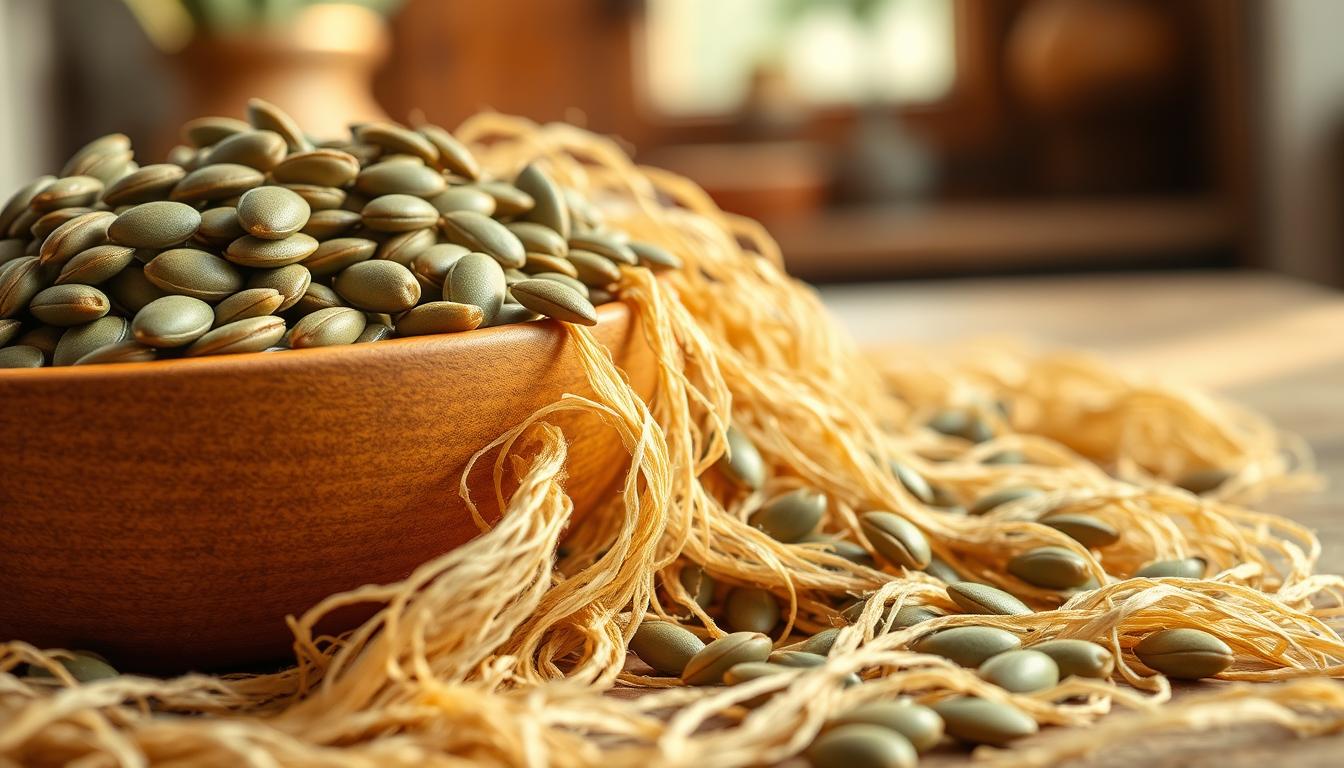
If you eat little fiber, start pumpkin seeds for digestion with a modest serving. About one ounce, or slightly less than one-quarter cup, works well. Eating too many seeds at once may cause stomach discomfort, cramps, or diarrhea.
Sprinkle pepitas or roasted pumpkin seeds over yogurt, cereal, salads, and soups. Mix them into smoothies, pasta, dips, breads, or cookies for a simple crunch.
Pumpkin and Heart Health: Magnesium and Unsaturated Fats
Pumpkin seeds and heart health may connect through important nutrients. Pumpkin seed nutrition includes magnesium and unsaturated fats, including omega-3 and omega-6 fatty acids. A serving can provide about 2.5 grams of omega-6 and 22 milligrams of omega-3.
The American Heart Association recommends foods with unsaturated fats instead of foods high in saturated or trans fats. As part of a balanced eating pattern, these fats can help lower LDL, or “bad,” cholesterol. Magnesium in pumpkin seeds supports normal body functions, including blood pressure regulation.
Antioxidants in pumpkin seeds may help support nitric oxide levels. This compound helps blood vessels stay flexible and supports blood flow. These nutrients do not prevent heart disease or replace prescribed care, but a measured portion can fit into a varied diet.
Can Pumpkin Seeds Support Better Sleep?
Pumpkin seeds contain tryptophan, an amino acid the body uses to make serotonin and melatonin. These compounds affect mood and sleep cycles, so pumpkin seeds for sleep may suit people seeking an evening bite.
Among tryptophan foods, pumpkin seeds offer a simple option. They provide pumpkin seed minerals, including magnesium, zinc, copper, and selenium. Magnesium may ease stress, which can sometimes make rest harder.
Pairing pumpkin seeds with fruit adds carbohydrates, which may support tryptophan availability. For bedtime snack ideas, sprinkle a modest portion over yogurt or oatmeal, or enjoy it with fruit. These nutrients do not guarantee better sleep, and pumpkin seeds are not a treatment for insomnia.
Pumpkin Seeds and Urinary or Prostate Health
Some studies have examined pumpkin seeds for prostate health, especially symptoms linked to benign prostatic hyperplasia (BPH). This condition enlarges the prostate and can press on the urethra, making urination harder.
In a 2022 study, 130 participants took pumpkin seed extract twice daily for 12 weeks. They reported fewer lower urinary tract symptoms and a better quality of life. Scores on a sexual health questionnaire did not change.
Small studies have explored pumpkin seed oil for overactive bladder. One study found that 45 participants taking it daily for 12 weeks reported fewer symptoms. Another tested a blend of pumpkin seed oil, sumac bark, and hops; participants reported fewer daytime and nighttime bathroom trips.
These early results do not prove that pumpkin products treat urinary conditions. If symptoms persist, talk with a health care professional about your urinary health.
Pumpkin, Eye Health, and Antioxidants
Orange pumpkin gets its color from beta-carotene, which the body can change into vitamin A. Vitamin A in pumpkin supports vision, including the ability to see in dim light. Just one-half cup of canned pumpkin can provide more than the daily recommended amount of vitamin A.
Pumpkin and eye health may involve more than vitamin A. Pumpkin contains lutein and zeaxanthin, plant compounds studied for protecting eye cells from oxidative stress. Researchers are exploring possible links to age-related macular degeneration and cataracts.
Pumpkin antioxidants have protected cells in laboratory research. Eating pumpkin can fit a varied diet, but it has not been proven to prevent or treat eye disease. We can enjoy it as a nourishing choice for the whole family!
Anti-Inflammatory and Cancer Research on Pumpkin
Pumpkin seeds contain pumpkin antioxidants, and whole seeds with their hulls provide fiber. Lab studies examine pumpkin compounds for effects on inflammation and cancer cells.
Pumpkin anti-inflammatory research examines compounds such as cucurbitacins in cells. Some pumpkin and cancer studies found that seed extracts slowed breast, prostate, and colon cancer cell growth. One lab study reported up to 50% growth inhibition.
Other early work found that pumpkin seed extract prompted cell death in thyroid cancer cells.
These results come from laboratory tests, not people. They do not show that eating pumpkin can prevent or treat cancer. More research in people is needed to understand these findings.
How to Choose, Prepare, and Eat Pumpkin and Pumpkin Seeds
Choose small sugar or pie pumpkins for baking. They taste sweeter and have less stringy flesh than large jack-o’-lantern pumpkins. Keep an uncut pumpkin in a cool, dark place for up to two months.
Refrigerate cut pieces in an airtight container and use them within four to five days. Try fresh pumpkin recipes in soups, breads, or roasted vegetable dishes.
To learn how to roast pumpkin seeds, remove them from the pumpkin, rinse well, and clear away the stringy pulp. Soak the seeds in cool water for one to four hours to loosen any remaining bits.
Drain and rinse them, toss with about one tablespoon of olive oil, and spread them on a baking sheet. Roast at 300°F for 30 to 40 minutes.
Store-bought seeds come with or without hulls. Check labels for added salt and sugar. Pepitas nutrition varies by product, so compare labels and choose unsalted seeds when you can.
A pumpkin seed serving size of about one ounce, or just under one-quarter cup, keeps portions moderate. Soaking or sprouting may help reduce phytic acid, which can limit mineral absorption.
Dark green pumpkin seed oil works in dressings, marinades, baking, and cooking. If you take blood thinners, blood pressure medicine, or diuretics, ask a health care professional before eating pumpkin seeds regularly. Seed allergies are rare, yet reactions can be severe.