
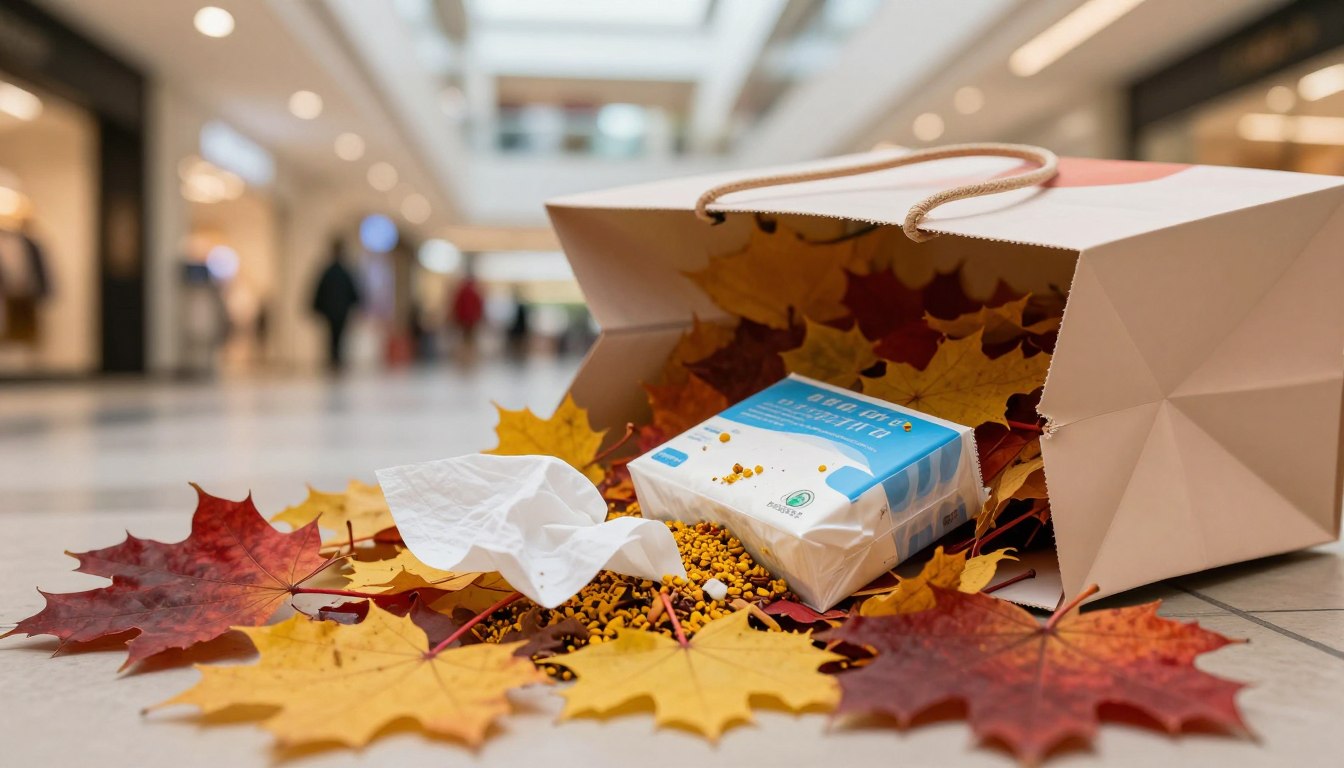
A mall shopping bag can carry more than just your new items. Pollen, dust, and other outdoor particles might stick to it. For some families, this hidden allergen can make fall allergies worse after a fun day out.
A simple habit can help. Keep shopping bags away from beds, couches, and food areas. Empty them near the entryway, then clean reusable bags as directed. These small steps support smart allergy prevention without taking away from the joy of shopping.
Seasonal allergens and food allergies are different concerns. Approximately 4 to 6 million children in the United States have food allergies. That translates to 1 in every 13 kids. It also noted that the number of Americans with food allergies had nearly doubled in five years, reaching more than 12 million. Families should stay aware of both risks.
We invite you to visit Lauderhill Mall for a welcoming shopping experience. Explore local businesses, enjoy our diverse community, and make thoughtful choices that help every family feel comfortable. Plan your next visit today!
Why Your Mall Shopping Bag May Be a Fall Allergy Trigger
Shopping bags act as secondary vectors for outdoor allergens during fall—a season dominated by ragweed pollen, mold spores, and fine dust. While most people focus on avoiding pollen outdoors, passive transport brings those exact triggers inside.
How Bags Accumulate Allergens
- Static Charge & Fabric Weave: Reusable bags—especially those made of synthetic fibers like non-woven polypropylene or canvas—generate static friction as you walk. This charge actively attracts airborne micro-particles. The porous weave of cloth fabric traps pollen granules and mold spores far more effectively than smooth plastic or slick paper.
- High-Contact Surfaces: Setting bags down on parking lot asphalt, store floors, trunk interiors, and checkout counters exposes them to concentrated settled dust and outdoor particulate matter.
- Air Currents: Moving in and out of mall entrances creates airflow drafts that deposit floating seasonal allergens directly onto your clothes and bags.
Key Allergen Aggravators
| Allergen | Common Source | Why It Sticks to Bags |
| Ragweed Pollen | Light, airborne plant particles | Highly adhesive micro-hooks cling to textured fabrics. |
| Mold Spores | Damp outdoor areas, leaves | Settles on bags placed on ground or damp surfaces. |
| Dust Mites | Domestic environments | Feeds on collected organic dust stored inside unwashed bags. |
What the “Fall Allergy Trigger" Really Means
The fall allergy trigger meaning is straightforward. It refers to a fall allergy trigger. This could be pollen, mold, or dust picked up on a shopping bag. It's not a medical term or the name of a single allergen.
Shopping bags often carry allergens from parking lots, sidewalks, and outdoor seating. In fall, they can bring tiny particles into your home. These particles are among the seasonal allergy causes that affect sensitive people.
Food allergies are a different issue. Healthline reports that peanuts, tree nuts, milk, eggs, fish, shellfish, soy, and wheat cause about 90% of food allergy reactions. Clear labels and awareness help us protect our neighbors and family members who have food allergies.
Fall Allergens That Can Follow You Home From a Shopping Trip
A trip to the mall can bring more than just new things. Fall pollen can stick to your clothes, shoes, and stroller. It also settles on car seats during the drive home. Dust collects on items near floors, benches, or car trunks.
When you bring home jackets and sweaters, allergens can spread. They can land on your bed or sofa. Bags can carry allergens, leaving them in your entryways, kitchens, or living areas.
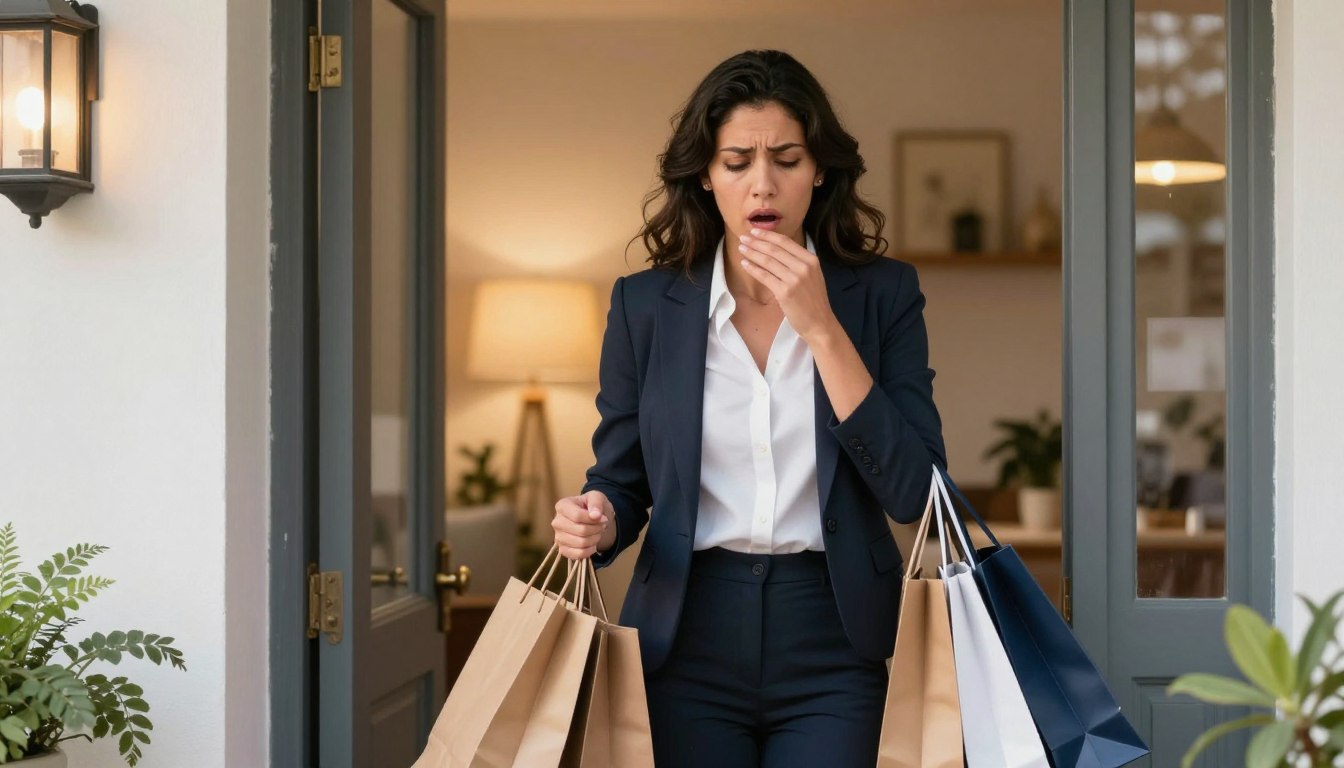
There are simple ways to stop allergens from spreading. Remove shoes at the door and change clothes after going out. Wash your hands before you relax at home. Keep bags in a clean, designated spot.
- Wipe stroller handles and other high-touch items.
- Wash coats and blankets when they need freshening.
- Clean tables, counters, and door handles after crowded trips.
These steps help keep your home free from indoor allergens. They're most important if someone in your family has allergies. Symptoms like sneezing, congestion, and itchy eyes are common during the fall.
Food Allergy Risks to Consider While Visiting the Mall
Food allergy safety is key when you're at the mall. Places like food courts, snack counters, and restaurants can be risky. They expose guests to allergens in ways pollen doesn't.
Before you order, it's smart to check the ingredients. Also, ask the food workers about recipes and how they avoid cross-contact. Clear labels help spot common allergens like milk, eggs, fish, and more.
The Food Allergen Labeling and Consumer Protection Act of 2004 made labels better for major allergens. But, it's important to always check labels carefully. Recipes and preparation methods can change.
A 2008 hearing said avoiding allergens is the best treatment. It found that about one in four people with food allergies face accidental exposure each year. This can lead to a reaction.
At a busy mall food court, it's best to avoid sharing food. Use clean tables. Families with peanut allergies should ask about shared fryers and tools. This is part of peanut allergy precautions.
- Carry each person’s prescribed medicine.
- Follow the family medical action plan.
- Ask questions before buying food.
- Choose another option when answers are unclear.
By following these simple steps, we can enjoy safer meals together. With care and clear questions, our mall community can welcome guests with many food needs!
How to Keep Seasonal Allergens Out of Your Home
After a visit to Lauderhill Mall, we can follow a simple arrival routine. Leave shoes near the entry. Place shopping bags in one set area, away from kitchen counters. Wash your hands before touching food, toys, or shared surfaces.
Change outer clothing when pollen exposure is a concern. This small step can help remove pollen from home and protect children, older adults, and neighbors with allergies. Keep worn clothes in a hamper until they are ready for washing.
- Clean shopping bags as directed by the manufacturer.
- Wipe hard floors and vacuum rugs on a regular schedule.
- Clean door handles, tables, and other high-touch surfaces.
- Store dry bags in a clean place after they are ready.
These allergy cleaning tips can fit into a busy family routine. A quick floor cleaning near the entry can catch dust and outdoor particles before they spread. Open bags only after hands and surfaces are clean.
Seasonal allergy prevention starts with easy habits we can share at home. If symptoms continue or become severe, families should follow guidance from a health professional.
Smart Allergy Precautions When Shopping at Lauderhill Mall
Before we head out, we should prepare for Lauderhill Mall allergy precautions. Make sure to pack any medicines your doctor told you to take. Also, keep important phone numbers handy and share them with your family.
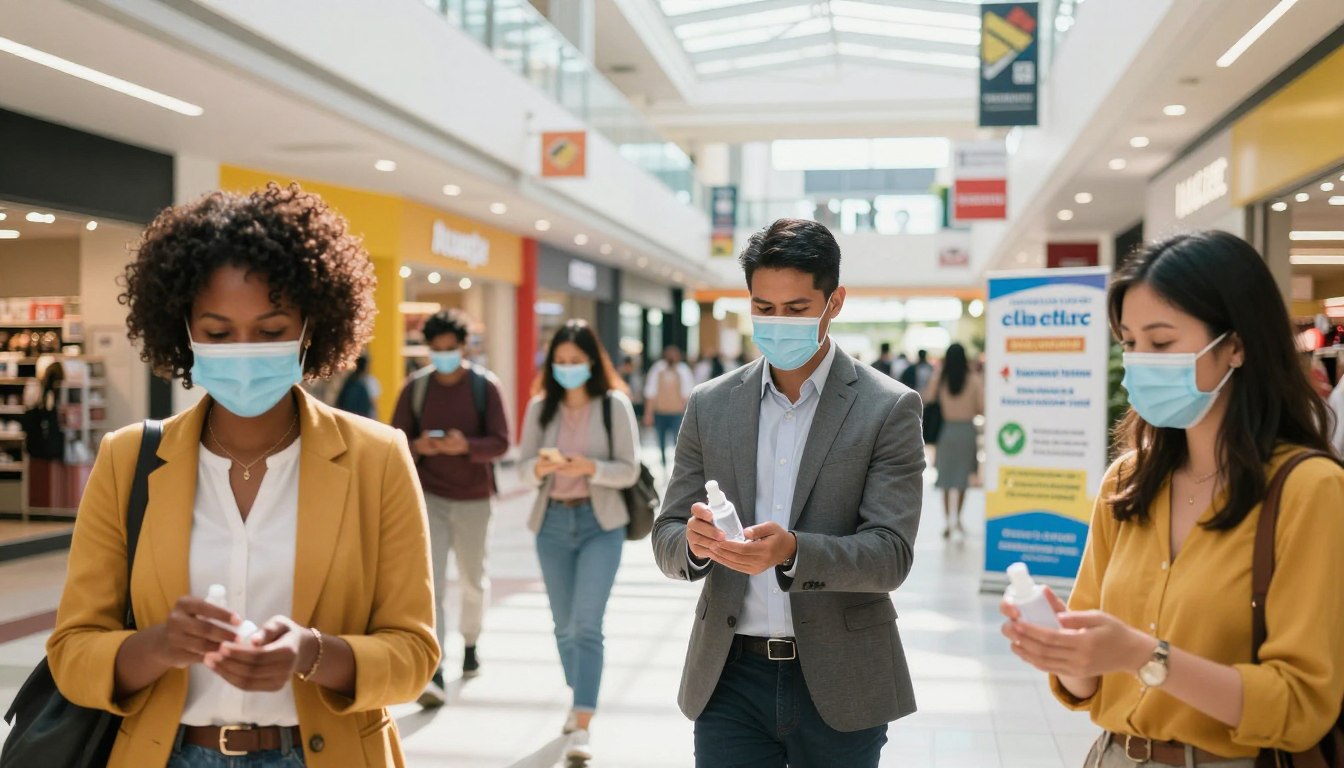
When shopping, pick clean areas for your bags and strollers. Avoid putting food on shared surfaces. Always wash your hands before eating.
- Ask restaurant staff about ingredients when a food allergy is a concern.
- Keep needed medicine easy to reach, not buried in a shopping bag.
- Tell family members how to respond if a serious reaction occurs.
- Take a calm break if scents, dust, or crowds cause discomfort.
These steps help keep everyone safe and happy. Our tips make family shopping at the mall enjoyable for all. Remember, mall hours and policies can change. Always check with Lauderhill Mall and stores before you go. Planning ahead lets us enjoy local spots with confidence!
How Families Can Manage Allergy Risks During Mall Visits
Having a family allergy plan is key. Share it with everyone who will be with your kids. Make sure they know about each child's allergies, safe foods, and emergency steps. Teach kids simple rules to follow. Tell them not to share food or drinks. Always ask an adult before trying new foods or treats.
Plan for comfort and safety when you're out. Choose places that understand allergies. Always read labels carefully and inform staff about food allergies. Before heading into the mall, find a quiet spot. This is where you can check for symptoms or give medicine. If there's a serious reaction, get help right away.
By following these steps, mall visits can be safer for everyone. Clear plans help kids enjoy outings more. It makes everyone feel welcome!