
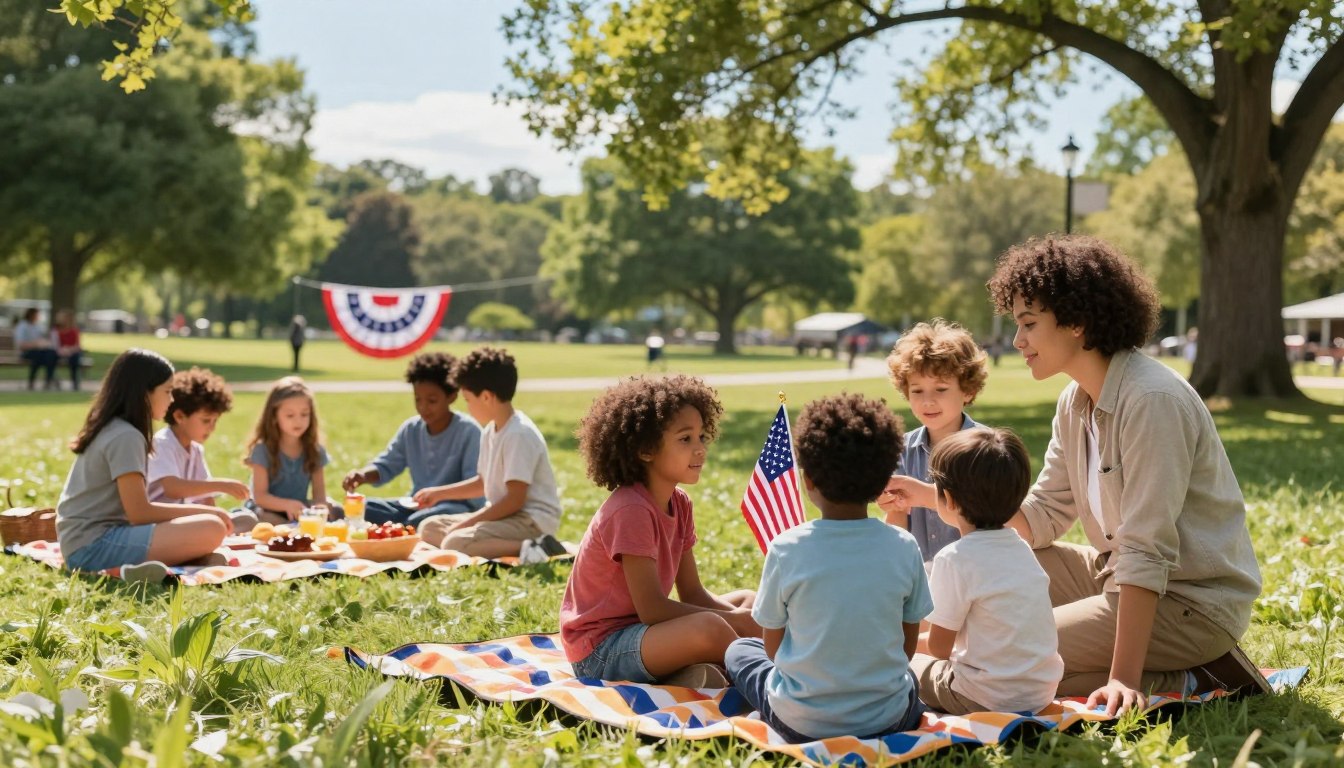
Many families want Memorial Day to be more than just a long weekend. Explaining loss and service can be tough. We hear you and want to find gentle ways to teach kids about Memorial Day.
We'll share simple steps for teaching kids about Memorial Day. You'll find easy explanations, book and video suggestions, and hands-on crafts. We'll also talk about short rituals, like the National Moment of Remembrance at 3:00 PM.
We'll suggest fun activities that help kids reflect. You'll learn about stories of service and sacrifice. Plus, we'll list ways to help military families. Our goal is to help families remember respectfully while enjoying each other's company.
Lauderhill Mall is a great place for family remembrance. You can find books, craft supplies, and kid-friendly events there. Visit to shop, join activities, and support local businesses that make Memorial Day special.
Ready to make Memorial Day both thoughtful and joyful? Visit Lauderhill Mall this weekend. Come together, learn together, and honor together!
Why Memorial Day Matters: Explaining the Purpose to Children
We can explain Memorial Day to kids in simple words. It's a day to remember those who died serving in the U.S. Armed Forces. Tell younger kids it's a time to think about those who kept us safe.
For older kids, we can dive deeper into history and stories. Share about battles, memorials, and families who lost loved ones. This makes Memorial Day's importance clear and real.
It's good to explain the difference between holidays. Memorial Day honors those who died in service. Veterans Day on November 11 is for all who served, alive or dead. This clears up any confusion.
- Use simple facts: Congress set the National Moment of Remembrance in 2000 for a one-minute pause at 3:00 PM local time.
- Share family stories if a relative served, making Memorial Day personal.
- Start with questions and let kids lead the talk. That is how we gently explain Memorial Day to kids.
We can model respect by observing a minute of silence together. Small actions show why Memorial Day matters and teach empathy. Keep conversations open and age-appropriate. Invite questions and answer them honestly to build understanding over time.
Teaching Kids the Meaning of Memorial Day
We start by turning curiosity into gratitude. Ask simple questions and listen. Explain Memorial Day in simple words: it honors service members who died for our country. Keep answers short and honest for younger children.
Use concrete steps to shape learning. Read books together that are right for your child's age. Watch short educational videos that match their attention span. Take a quiet walk to a local memorial or cemetery when possible to show respect in person.
- Create a “Thank You Wall” at home where kids post drawings, flags, or appreciation notes. This makes Memorial Day lessons for families hands-on and personal.
- Plant small flags at graves following cemetery guidelines. Teach children how to place flags gently and why we honor those resting there.
- Practice respectful behaviors for parades and ceremonies: standing for the flag, observing silence, and listening to speakers.
Try simple household projects to spark conversation. Make flag-themed chalk drawings on the driveway. Design patriotic table decor together. Prepare star-spangled skewers or themed snacks that open a gentle dialogue.
Host a backyard “Hero Games” for a playful lesson. Include short activities like a relay race and end with a quiet moment of gratitude. This keeps Memorial Day lessons for families active yet reflective.
- Turn questions into teaching moments—answer clearly and invite follow-up.
- Use media and books for different ages to reinforce key ideas.
- Make participation respectful and age-appropriate.
Be inclusive and sensitive. Some families feel pain on this day. Adapt conversations for diverse backgrounds and respect privacy. Teach empathy by naming feelings and modeling gentle language.
If you wonder how to teach children about Memorial Day, remember that small steps matter. Short talks, respectful rituals, and creative projects add up. We learn together, we remember together, and we make meaning as a family!
Books, Videos, and Media That Help Kids Understand
We choose books that start with gentle talks about service and memory. Start with The Wall Eve Bunting to show remembrance from a child's view. Add Twenty-One Steps by Jeff Gottesfeld and A Day for Rememberin' by Leah Henderson for simple history and personal stories.
Mix different voices like America's White Table by Margot Theis Raven and Rose Blanche by Christophe Gallaz to show different views. For younger readers, try Gleam and Glow by Eve Bunting. Older kids might enjoy Why Do They Hate Me? to learn about conflict and its effects.
Include books that focus on resilience and fun. The Banana-Leaf Ball by Katie Smith Milway offers play and cultural insight. These Memorial Day books for kids help make tough topics easier to discuss.
Find these children's books Memorial Day titles at local libraries and bookstores near Lauderhill Mall. Mall stores and independent shops often have family reads and activity books to browse together.
Use educational Memorial Day videos for short, clear lessons. Look for kid-friendly historical overviews and clips from the annual National Memorial Day Concert for family viewing. Preview all content to ensure it fits your child’s age and sensitivity.
Keep young listeners engaged with printables and crafts. Try coloring pages from Raising Our Kids during a read-aloud. Pair a story like The Wall Eve Bunting with a simple craft or quiet reflection to deepen learning.
- Before reading or watching: preview for age fit and themes.
- During media time: pause to ask what children notice and feel.
- Afterward: use discussion prompts and a craft or moment of silence.
We aim for gentle, honest talks that build empathy. Choosing the right books, children's books, Memorial Day videos, and hands-on tie-ins helps kids remember with respect and understanding.
Hands-on Crafts and Projects for Meaningful Learning
We love activities that mix creativity with respect! Start with simple Memorial Day crafts that let kids express thanks. These projects are perfect for short attention spans and spark meaningful conversations.
Try making paper poppies for remembrance. Cut red circles, stack three layers, and add a black center. Younger children can color the petals. Older kids can fold and glue more detailed blooms. Each poppy is a chance to talk about why we remember.
Create a Memorial Day pennant banner to hang in the living room. Print free pennant templates, let kids decorate with markers and stickers, and string them on yarn. Assign tasks based on age: tracing for toddlers, cutting for school-age kids, and design for tweens.
- Chalk flags on the driveway make a big, active craft! Draw large stars and stripes; invite neighbors to join.
- Build a “Thank You Wall.” Tape poster paper to a wall, add drawings, notes, and paper poppies. Let each family member write a message of gratitude.
- Make small keepsakes from construction paper, glue, scissors, and markers. Use templates for neat results.
Pick supplies at Lauderhill Mall craft stores or general retailers nearby. Look for seasonal kits, construction paper packs, glue sticks, child-safe scissors, and marker sets. Print coloring pages and pennant templates before you start.
Match tasks to ability. Give cutting or gluing to kids who can handle scissors. Give coloring or sticker placement to younger children. This keeps everyone involved and proud of the final display!
These Memorial Day projects for kids help them focus while listening. Finished crafts offer tangible reminders that open gentle talks on service and sacrifice. Hang projects where visitors can see them and start conversations.
Family Rituals and the National Moment of Remembrance
We celebrate Memorial Day with small, special rituals that unite us. The National Moment of Remembrance was created by Congress in 2000. It asks us to pause for one minute at 3:00 PM local time on Memorial Day to honor those who died serving.
Start simple Memorial Day family rituals that fit your home. At 3:00 PM, gather in the yard or living room. Hold hands, bow heads, or stand quietly. Tell kids it's a short, kind pause.
- Read a short poem or passage aloud. Choose lines from veterans' speeches or children's books about service.
- Light a candle or place a single flower. Use the light as a gentle signal for reflection.
- Create a thank-you circle. Each person says one quiet thought or a brief thank-you to those who served.
Plan a yearly tradition to deepen the Memorial Day observance. Visit a local memorial or cemetery to place flags or flowers. Set a white table as a symbolic gesture to remember fallen service members.
Offer choices so kids can participate in ways they like. Some may stand in silence. Others might hold a drawing or play a song before the 3:00 PM moment of silence. Let them know it's okay to feel sad and to share those feelings.
- Pick a ritual that fits your family size and beliefs.
- Explain why the National Moment of Remembrance matters in simple words.
- Keep the ritual short and consistent to build a comforting routine.
When we make Memorial Day family rituals intentional, it becomes a gentle, shared way to teach respect and gratitude. We create space for memory, love, and calm reflection together.
Memorial Day Activities That Combine Fun and Reflection
We plan simple moments that teach and celebrate together! Try patriotic picnic ideas like star-spangled skewers with strawberries, blueberries, and mini marshmallows. Add red-white-and-blue nachos or colorful pretzel sticks. These Memorial Day recipes for kids turn snack time into a chance to talk about heroes.
Make a backyard Hero Games event for teamwork and laughter. Set up an easy obstacle course, a three-legged race, and a relay that asks teams to carry a small flag. End with a short moment of gratitude where each child names one thing they appreciate.
- Host a hero sandwich bar so everyone builds their own meal.
- Assemble care packages or write thank-you notes during group craft time.
- Plan family remembrance games like memory-match cards with service branch emblems.
We encourage community participation. Attend local Memorial Day parades and show kids how to stand respectfully when the flag or service members pass by. Visit memorials and cemeteries with care. Leave flags or flowers where allowed and check the rules first.
Small acts matter. Organize a thank-you card assembly for a veteran center or adopt a local military family for practical support. Use easy Memorial Day recipes for kids to make treats for delivery. These choices blend joy with reverence and teach children about service.
Try a short ceremony after playtime. Read a brief, age-appropriate story, play a patriotic song, then share one sentence of thanks. These rituals make Memorial Day activities for families meaningful and memorable.
Teaching Empathy: Stories of Service and Sacrifice
We use stories to help kids see the people behind the uniforms. Read The Wall by Eve Bunting to introduce the Vietnam Veterans Memorial. Share family memories when available. Short, true accounts make teaching empathy Memorial Day concrete and warm.
Pick gentle biographies and age-appropriate news pieces. Offer stories of service for kids about sons, daughters, parents, and partners who served. Keep language simple so children can relate and ask questions.
Turn feeling into action. Invite children to write thank-you cards, draw pictures, or bake treats for a military family. These acts show respect and make military sacrifice stories for children more than facts—they become personal connections.
Acknowledge hard emotions. Say it’s okay to feel sadness and pride at once. Pause for questions. Model quiet, respectful ways to talk about grief and loss so children learn empathetic responses.
- Suggested reads: The Wall by Eve Bunting, Rose Blanche for older kids.
- Activities: thank-you cards, classroom story circles, memory jars.
- Discussion tips: use plain words, invite questions, and validate feelings.
For older children, add context about how war affects civilians. Books like Rose Blanche and age-suitable histories help expand understanding without overwhelming. This gradual approach supports teaching empathy on Memorial Day while honoring military sacrifice stories for children through thoughtful storytelling and small acts of kindness.
Giving Back: Service Ideas and Ways to Support Military Families
We can make Memorial Day a day of action. Start by making care packages for troops. Let kids pick snacks, socks, and write notes to include.
Send cards to local veterans or military families. A simple thank-you note can brighten their day. It shows respect all year long! Invite a service member and their family to share a Memorial Day meal with yours.
- Memorial Day service ideas: place flags at a veteran cemetery, read letters aloud, or hold a moment of silence together.
- Volunteer for veterans through local groups like the American Legion or Veterans of Foreign Wars to help at events or fundraisers.
- Care packages for troops: include practical items, personal notes, and family photos to connect home to service members overseas.
Adopt-a-family programs are great for ongoing support. We can cook a meal, offer childcare, or drop off groceries. These acts help support military families in practical, meaningful ways.
Look for established organizations that accept cards and packages if you want to send items beyond the neighborhood. They ensure gifts reach active-duty service members and veterans safely.
Make giving back a yearly family tradition. When we teach children to volunteer for veterans.