

Summer heat can make your energy bills soar and leave you feeling hot. July brings long, hot days and higher air conditioning costs. But, there are simple ways to save money and stay cool.
Begin with a quick home energy check to find big savings. Adjust your thermostat, use fans with your AC, and seal drafts. When you're ready, invest in ENERGY STAR appliances or better insulation for lasting savings.
We'll share easy July cooling tips: fix windows, improve ventilation, use fans, and get smart thermostats. These tips are easy to follow and don't require big tools. They help everyone in our community stay cool and save on energy.
Need a break from the heat? Try Lauderhill Mall cooling breaks. Cool off, find ENERGY STAR products, or get LED bulbs and ventilation tools. Shopping local supports small businesses and helps you save money.
Easy Ways to Keep Home Cool: Practical Habits That Cut Cooling Costs
We love simple habits that save money and keep everyone comfy! Start by setting a 78 degrees summer baseline inside when you're home. This 78 degrees summer baseline is energy-smart and feels nice with a few tweaks.
Raise the thermostat a degree or two and you can see real thermostat savings. Each degree higher can trim cooling costs by about 3%. Small changes add up fast for the whole family!
Use ceiling fan benefits to your advantage. A running ceiling fan can make the room feel about 4°F cooler so we can keep the thermostat higher without losing comfort. Turn fans off in empty rooms because fans cool people, not air.
Try pre-cooling in the cool hours of morning or late evening. Lowering the temperature briefly then allowing the house to coast during the heat of day reduces peak use and can match time-of-use rates.
Programmable and smart models handle these habits for us. Smart thermostats bring easy automation and may deliver roughly 10% thermostat savings over a year by adjusting temps while we're away.
Follow one quick rule from the Department of Energy (DOE): never set the thermostat colder to cool faster. It won't speed things up and it wastes energy. Gentle routine shifts work best for long-term savings!
- Set 78 degrees summer baseline when home.
- Use ceiling fan benefits to raise thermostat without losing comfort.
- Pre-cool during cooler hours to avoid peak demand.
- Install a smart thermostat for automated thermostat tips and savings.
Window Strategies to Block Heat and Lower Bills
We love simple fixes that save money and keep homes comfy! Start with solar screens or window films on south-facing windows and west exposures. Both options cut glare and can reduce solar heat gain by roughly 30%. This means your AC runs less and your wallet breathes easier!
Keep blinds and curtains closed in the afternoon. Light-colored curtains reflect sunlight and help keep rooms cooler. Pair shades with window films for better results without buying new windows.
- Fit solar screens over sun-facing openings for instant shade!
- Apply reflective or low-e window films to block heat but keep the view.
- Choose light, breathable window treatments to reflect summer sun.
Seal up air leaks next. A little caulk around frames and proper window weatherstripping at the sash go a long way. These small steps stop warm air from sneaking in and keep cooled air inside.
Try low-cost fixes first. Tape-in window films, DIY solar screens, and fresh weatherstripping cost little and install fast. Families can see results the same week and enjoy lower bills without a big project!
Fans, Ventilation, and Natural Cooling Solutions
We love simple steps that save money and keep everyone comfy! Start with ceiling fans energy savings in mind. Fans make people feel cooler by moving air. Run them when a room is occupied and switch them off when you leave to avoid wasting energy.
Pick ENERGY STAR fans for long-term value. ENERGY STAR fans use less electricity and often come with better motors and controls. That adds up to real savings over the lifetime of the fan.
Think about whole-house fan systems to flush heat out at night. When outside air is cooler than inside, a whole-house fan pushes warm air into the attic and draws in cooler air through open windows. Pair that with proper attic ventilation so hot attic air can escape and your home cools faster.
Use cross-ventilation to your advantage. Open low windows on the shady side and higher windows on the warm side during cooler hours. This creates a steady breeze that lowers indoor temps without running the AC.
- Open windows on opposite sides of the house for flow.
- Time it: early morning and late evening work best.
- Close windows and blinds when the sun hits to trap cool air.
Bathroom and kitchen exhaust fans pull out steam and cooking heat. Run them while showering or cooking and make sure they vent outdoors, not into the attic. That helps reduce humidity and cuts the strain on AC.
We’re all about community comfort! Small habits like using cross-ventilation, choosing ENERGY STAR fans, and running a whole-house fan when it’s cool outside can lower bills and make homes more pleasant. Let’s enjoy fresh air that’s kind to our comfort and our wallets!
Maintain and Optimize Your Cooling System for Efficiency
We love a well-running home! A seasonal tune-up keeps your system from working overtime. Book a trusted technician for inspection, cleaning, and basic repairs. Regular HVAC maintenance cuts surprises and lowers bills.
Simple habits save energy. Change AC filters every 1–3 months so airflow stays strong. Clean filters mean the compressor and fans use less power and last longer.
Thermostat placement matters. Don’t put a thermostat near lamps, TVs, or vents that give false heat readings. A good spot lets your system cycle properly and avoids extra runtime.
Consider a programmable or smart thermostat to raise temps while you’re out. These devices keep comfort when you’re home and save energy when you’re not. We cheer for easy wins that fit busy family life!
When it’s time to replace a unit, look for ENERGY STAR models and high SEER2 EER2 ratings. Newer systems can be about 15% more efficient. Weigh repair costs against age and efficiency losses to decide what’s best for your household.
- Schedule a seasonal tune-up before summer peaks.
- Change AC filters regularly to protect the system.
- Check thermostat placement for accurate readings.
- Compare SEER2 EER2 ratings when replacing equipment.
Small steps make a big difference. Routine care keeps your home comfortable and your community humming. Let’s keep our cooling systems healthy together!
Air Sealing and Insulation to Keep Hot Air Out
Quick wins are great for saving money. Start by sealing air leaks around doors and windows. A simple roll of weatherstripping can block drafts and feel like a big improvement! Get a DIY caulk and seal gaps at baseboards, pipes, and attic hatches. These small fixes can make a big difference. You'll feel the cool air inside sooner.
Adding attic insulation with air sealing makes a huge impact. The Department of Energy says it can cut down on heating and cooling costs a lot. This means lower bills and more comfort for your family.
Want to do more? Book a home energy audit. Auditors use special tests to find the best places to improve. They'll show you where to spend your time and money.
- Weatherstrip doors and windows for a tight seal.
- Use DIY caulk on small cracks and around fixtures.
- Improve attic insulation to reduce heat transfer.
- Schedule a home energy audit to prioritize upgrades.
We love it when neighbors take on these projects! Small steps like air sealing and insulation add up. Let's work together to keep our homes cool and cozy this July!
Appliances, Lighting, and Internal-Heat Management
On hot July days, small heat sources add up quickly. Switching to LED bulbs makes a huge difference! LEDs use up to 90% less energy than old bulbs and produce much less heat. When it's time to get new appliances, choose ENERGY STAR ones. ENERGY STAR refrigerators and dishwashers run cooler and use less power. This keeps rooms cooler and saves money.
Cooking choices can also affect indoor temperature. To avoid kitchen heat, grill outside, use the microwave, or have a no-cook meal during the hottest part of the day. Each choice helps keep the kitchen cooler and the whole house more comfortable.
For your fridge to work well, follow some tips. Set the fridge to 35–38°F and the freezer to 0–5°F. Keep it away from direct sunlight, check the door seals, and aim for a two-thirds full fridge. This helps it stay stable and cool.
- Use LED bulbs less heat in lamps and fixtures near living spaces.
- Choose ENERGY STAR appliances for long-term savings.
- Plan meals to avoid heat buildup and avoid kitchen heat midday.
- Maintain fridge temperature settings and seals for efficient cooling.
These small steps help keep your family comfortable and lower cooling costs. We'll notice the difference in comfort and see our bills go down!
Smart Thermostats, Billing Plans, and Incentives
Smart thermostats make life easier and bills smaller. They learn your routine and adjust the temperature when you're not home. This can save about 10% on heating and cooling costs. Adding better sealing and insulation can increase savings even more. It's a smart move for your wallet and the planet.
Local utilities offer rebates or credits for smart thermostat installations. Some programs give rebates for specific brands or installers. It's worth calling your provider to see what's available. Budget billing helps avoid summer surprises. It lets you pay roughly the same each month, based on your annual use. This is great for families on fixed incomes or tight budgets.
Demand response programs reward you for small changes in use during hot afternoons. By allowing temporary thermostat adjustments, you can earn credits. This helps your neighbors and lowers peak charges for everyone.
Time-of-use rates can also lower your bill. Running laundry or charging electric vehicles at night saves money. Check with your electric company to see if this fits your schedule.
- Smart thermostat savings: automation + learning = lower run time.
- Utility rebates: reduced upfront cost for many models.
- Budget billing: steady monthly payments, no nasty spikes.
- Demand response programs: earn credits during peak events.
- Time-of-use rates: save by shifting energy use to off-peak times.
These tools are good for the community and easy to use. We're excited to help you find the best options for your family and neighborhood.
Evaporative Coolers and Climate-Appropriate Options
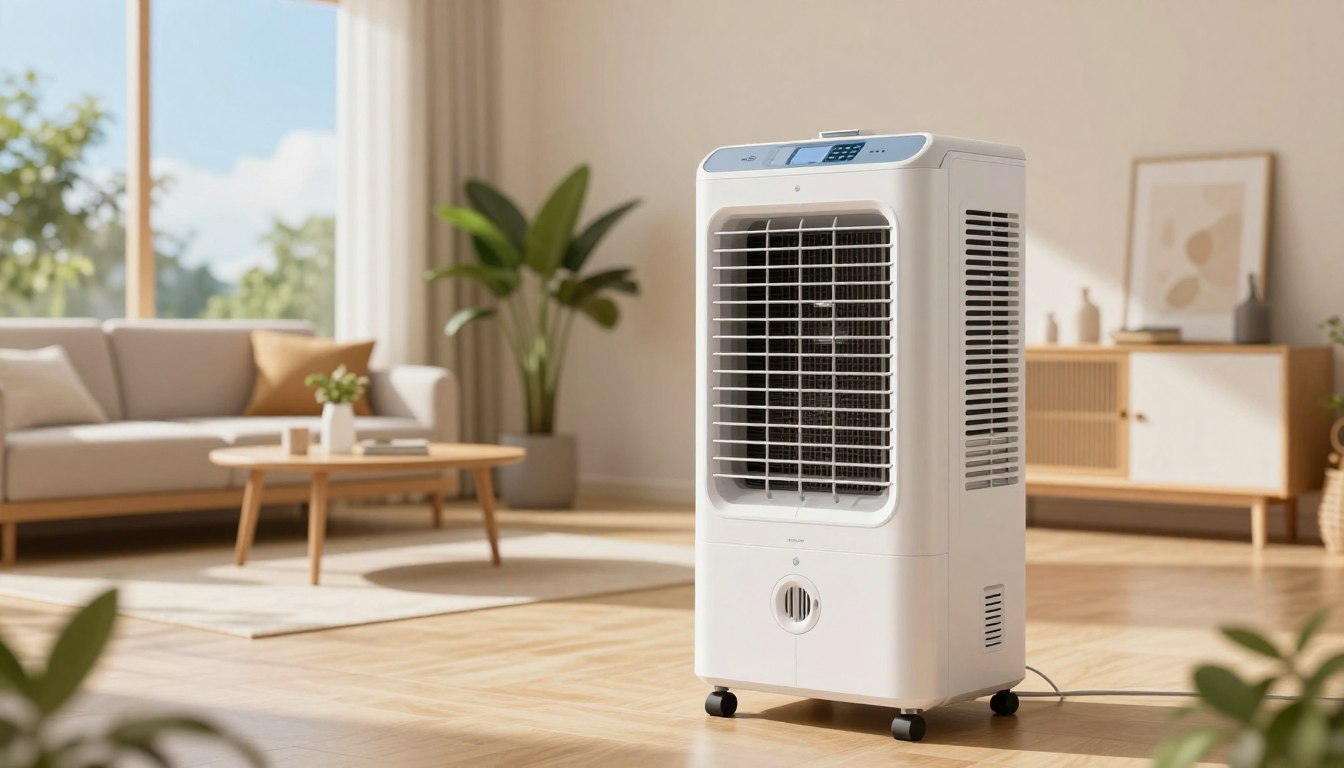
We love sharing practical cooling options that save money and feel good at home! An evaporative cooler, often called a swamp cooler, shines in places with low humidity. It can drop temps 15–40°F using a fraction of the power of central air.
Swamp cooler installation tends to cost about half what central AC does. Running one can use roughly a quarter of the energy. This makes it a strong pick for families in the western U.S. where the humidity threshold below 50% is common.
Pick the right unit size for your space. An undersized system won’t cool well. An oversized unit wastes energy. For efficient room units, match the model to the room’s square footage and the local climate.
- Keep pads and filters clean for steady airflow and long life.
- Seal gaps around window and room units so cool air stays in and hot air stays out.
- Use thermostats wisely and avoid cooling rooms that are empty.
We suggest checking local conditions before buying. If your area often sits above that humidity threshold below 50%, a swamp cooler may not deliver comfort. In those cases, efficient room units or modern mini-splits might suit you better.
We’re here to help pick the best fit for your neighborhood and family. Small changes and the right choice of evaporative cooler or room unit make July bills friendlier and homes comfier!
Reduce Standby Loads and “Energy Vampires”
We all want to save money, and it's easy to do. Many devices use phantom power even when they seem off. This hidden use can add up over time. Try unplugging chargers and gadgets when not in use. A charger or TV on standby wastes a few watts. Those watts turn into dollars over months.
- Group TVs, game consoles, and streaming boxes on one switched strip.
- Use smart power strips to cut power automatically for devices that sit idle.
- Put chargers in a drawer after charging to avoid phantom power creep.
Smart power strips make it simple. They turn off outlets when a main device is off. This saves energy without us doing anything.
Every little bit helps! For many, unplugging chargers and using smart strips can save $100–200 a year. That's money for groceries, events, or community projects!
Small Investments That Pay Off: Upgrades and Targeted Retrofits
We love simple fixes that help families save now and keep bills low all year! Small investments often deliver big returns. Start with window options that cut heat without a full replacement. Solar screens cost-effective? Yes! Screens and reflective films block a lot of sun for a fraction of window-replacement costs. They cut cooling load and make rooms more comfortable fast.
- Choose durable mesh screens for south- and west-facing windows.
- Try low-e window film where screens won't do the job.
Air sealing paired with attic work gives real savings. The Department of Energy notes that combining air sealing with attic insulation can trim heating and cooling bills by about 15%.
Think about attic insulation ROI when planning. Adding or topping up insulation often pays back through lower energy bills and better comfort. That keeps households cooler in July and warmer in winter.
- Seal gaps around vents and light fixtures first.
- Add insulation to reach recommended R-values for your area.
Swap worn appliances for ENERGY STAR appliance upgrades to cut year-round energy use. New refrigerators, ceiling fans, and air conditioners with an ENERGY STAR label use far less power. Look for rebates from local utilities and manufacturers. Rebates reduce upfront cost and speed up payback for families on budgets.
- Replace old refrigerators that run constantly.
- Upgrade fans and small HVAC parts for better performance.
Prioritize targeted retrofits that are low-cost and high-impact. Small steps like weatherstripping doors, fixing duct leaks, or installing programmable thermostats make a difference fast.
We recommend making a short list of fixes that fit your budget and tackling the easiest ones first. These choices protect savings, support local installers, and strengthen our community!

Ways to Save While Out and About: Lauderhill Mall and Summer Errands
We enjoy making errands a fun family activity that saves money and energy. Try to do all your errands in one trip. This way, you drive less and save on AC costs at home. Begin by cooling your house down in the morning. Then, turn up the thermostat a bit and head out. Use Lauderhill Mall as a cool spot to relax, shop, or watch a movie instead of using AC at home.
Do chores that make heat during cooler times. Run the dryer, dishwasher, or oven in the early morning or late evening. If you need to do laundry in the middle of the day, visit the mall to cool off between loads.
Keep an eye out for local sales to buy energy-saving items at mall stores. You can find things like LED bulbs, efficient fans, and smart thermostats. Buying these items locally supports small businesses and saves you money on energy costs.
- Pre-cool at dawn, raise thermostat while out.
- Plan Lauderhill Mall cooling breaks during peak heat.
- Combine errands to cut trips and home AC use.
- Shop energy-saving products at mall stores to upgrade affordably.
We celebrate family outings that are also smart energy choices! Spend a cool afternoon with neighbors and share your finds on social media with
Behavioral Tips and Routines to Lower July Bills
We love sharing simple habits that cut cooling costs and bring families together! Start by closing blinds peak sun to keep rooms cooler and reduce air conditioner runtime. Do this each morning and whenever the sun hits windows directly.
Pick lighter clothing at home. When we dress lighter, we rely less on cool air. A breathable tee and cotton shorts make warm days easier for everyone. Encourage kids to choose comfy outfits for the day!
Use fans when you’re in a room. Fans move air and make lower thermostat settings feel fine. Running fans with people present saves energy compared to blasting the AC all day.
Open windows at night for cross-ventilation night air. Cool evening breezes flush heat out of the house. Close windows at dawn and close blinds before the sun climbs back up.
- Wash full laundry loads and dry clothes outdoors when possible.
- Avoid peak heat chores like running the dishwasher or oven in midday.
- Keep showers quick to reduce humidity and AC strain.
Make these routines a family habit! Small, shared actions cut bills and build neighborhood resilience. We cheer you on as you try one new tip this week!