
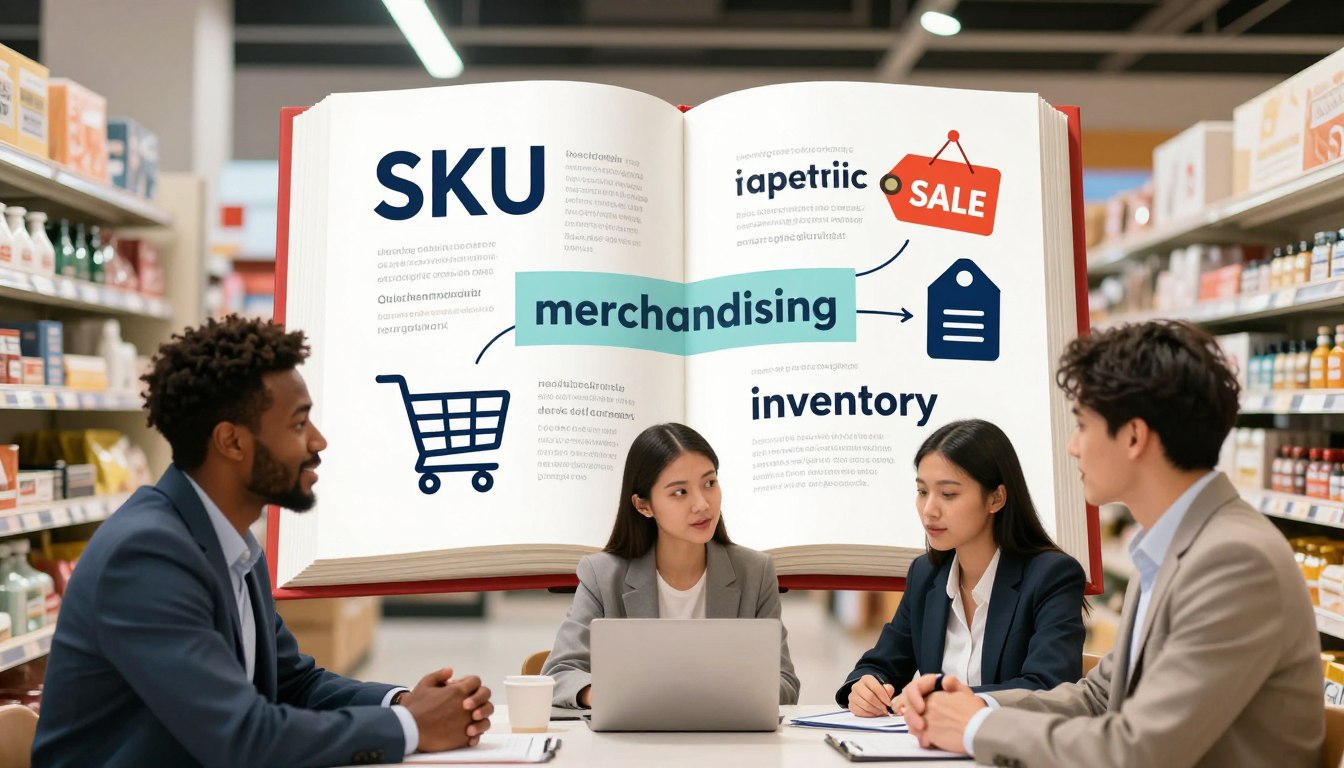
Retail language can make simple shopping choices confusing. Terms such as “markdown,” “inventory,” and “point of sale” appear often, but their meanings may seem unclear. This guide explains common retail terms with plain, useful ideas.
Our retail glossary covers pricing, merchandising, inventory, payments, customer service, and store operations. Clear retail definitions and real shopping examples help families, shoppers, and local businesses build shopping vocabulary. They also make retail business basics easier to understand.
As you explore these terms, connect them with stores and services at Lauderhill Mall. Visit us to shop local, discover welcoming businesses, and enjoy a community where every shopper feels at home!
Why Understanding Retail Terms Matters for Shoppers and Store Owners
Retail terms show how stores set prices, track products, and serve their communities. This retail education helps shoppers understand sales, loyalty rewards, checkout choices, and product displays.
Store owners use margin, inventory turnover, average transaction value, and customer relationship management. These measures guide daily choices in small business retail, show which products sell well, and reveal where service needs attention.
Shoppers see results through better product availability and a smoother customer experience. Clear language helps us compare value, ask questions, and make confident choices during local shopping trips.
Simple signs and clear product details make stores easier to use. Visual displays, short explanations, and patient service help people who process written information differently, including some people with dyslexia.
Pictures and stories make details easier to remember. Reading at a steady pace, forming a mental picture, and explaining information in our own words can reduce stress. These steps support welcoming retail operations for families, neighbors, and visitors.
Retail Terms Every Shopper Should Know
Shopper terminology helps us understand stores, prices, and product choices. Consumer packaged goods include packaged food, drinks, soap, and other items we use often. These consumer products are ready for sale and usually cost less than larger purchases.
Convenience products are items we buy often with little planning. Milk, snacks, toothpaste, and bottled water fit this group. They serve a wide market, so stores keep them easy to find.
Durable goods are made to last for years. Furniture, jewelry, dishwashers, and other major appliances belong to this category. Knowing the difference helps us compare value beyond the price tag.
Retail vocabulary can describe the type of store we visit. A big box store is a large location tied to a major chain, such as Target or Best Buy. A niche retailer serves a focused group, such as Warby Parker for eyewear or a local pet store.
E-tailing means selling products online. A brick-and-click retailer links a website with physical stores. Shoppers may buy online, pick up in a store, or return an online order at a nearby location.
A barcode is a pattern of dark and light lines that shares a product’s number with a scanner. It helps stores track items moving in and out. This simple tool supports accurate stock counts and faster checkout.
Pricing and Promotion Terms That Affect What You Pay
Retail pricing shapes the amount shown on a shelf tag or product page. These terms help us spot real deals, compare choices, and shop with confidence. A lower price may come from a sale, package offer, or store’s regular pricing plan.
Bundled pricing combines two or more goods or services in one package. The package costs less than buying each item alone. A meal deal with a sandwich, drink, and side is a familiar example. Bundles can save money when we need every included item.
Everyday low pricing keeps prices steady rather than using frequent sales. Shoppers know what to expect during each visit.
Flash sales work differently. They offer large discounts for a short time, often hours or several days.
A markdown is the gap between an original price and a reduced price. Stores may use markdowns to clear seasonal goods, make room for new products, or move slow-selling items. A markup is the amount added to wholesale cost to set a retail price.
Keystone pricing means a store sells merchandise for twice its wholesale cost. A loss leader takes the opposite path. The store sells one item below cost to attract shoppers who may buy other products during the same visit.
Off-price merchandise comes from goods bought below their regular cost. Stores such as Nordstrom Rack use this model to offer recognized brands at lower prices. A minimum advertised price is a supplier rule setting the lowest price a reseller may show in an advertisement.
Retail promotions can guide shoppers toward products they did not plan to buy. Cross merchandising places items from different categories together. Soda, chips, and dip near a barbecue display make meal planning quick and easy.
An impulse purchase is an unplanned item bought near checkout or in a busy display. Candy, phone chargers, and small gifts often fit this pattern. A convenient location can turn a quick stop into a larger basket.
- Check the unit price when package sizes differ.
- Read the sale dates before counting on a discount.
- Compare bundle prices with individual item prices.
- Review return rules for clearance and marked-down goods.
Stores track these offers with a monthly sales index. The measure compares one month’s actual sales with average monthly sales and multiplies the result by 100. A score above 100 shows growth. A score below 100 shows a loss for that period.
Inventory and Supply Chain Terms Behind Product Availability
Inventory management helps stores place the right products in the right place and quantity. It covers ordering, shipping, handling, and storage costs. Good planning supports product availability while helping local stores manage cash wisely.
A retail supply chain links suppliers, manufacturers, warehouses, and stores. A distribution center, or DC, holds products for retailers or customers.
Dry storage is a nonrefrigerated area for canned foods and other dry goods. Bulk can mean a large quantity of one item or a space for storing pallets.
Backorders happen when a store cannot fill the requested quantity by the requested date. Forecasting estimates future demand using past sales, seasons, and market trends. Production lead time counts the days from buying production inputs to their arrival at a manufacturing plant.
Stores use lot size for the number of items ordered for delivery on a certain date. Carrying cost, or holding cost, includes money tied up in products and storage expenses. These details shape prices, shelf space, and product availability.
- Dead stock is merchandise that has never sold or has stayed in storage for a long time.
- Seasonal goods, such as Christmas ornaments in May, can become dead stock when demand fades.
- A “dog” is retail slang for a product that is not selling.
- FIFO assumes the first products purchased are the first products sold.
- LIFO assumes newer merchandise sells before older stock.
Inventory turnover measures how often products sell or get used during a set period. Stores calculate it by dividing the cost of goods sold by average inventory. A healthy rate shows steady sales, while a low rate may signal excess stock, dead stock, or weak demand.
These terms help shoppers understand why an item may be shelved, delayed, discounted, or unavailable. They also help store teams make careful choices about orders, storage, and products families want to find.
Merchandising and Customer Experience Terms in Stores
Retail merchandising shows products in ways that attract interest and encourage sales. It includes packaging, prices, offers, coupons, signs, and product placement. Good displays help you find what you need with less effort.
Store displays should make shopping feel clear and welcoming. Short text, helpful pictures, and simple product details support shoppers with different needs. Visual context can help people with dyslexia understand choices more easily.
An anchor store is one of the largest retailers in a mall. It brings steady foot traffic to nearby shops. You may hear it called an anchor tenant, draw tenant, or key tenant.
Clienteling uses customer information to provide more personal service. A sales associate may suggest products based on past purchases or stated preferences. A customer relationship management, or CRM, system stores details about current and potential customers.
An endless aisle gives you access to a retailer’s full catalog through a tablet or touchscreen. You can order a size, color, or style not found on the sales floor. This tool expands choice without requiring every item to be in stock.
Augmented reality places digital items into your real surroundings. You might use a phone camera to view store deals, explore a shoppable catalog, or try a virtual fitting room. These tools can make the customer experience more engaging.
Mass customization lets companies make products at scale while offering personal choices. Nike’s NIKEID, now known as Nike By You, lets shoppers select colors and details for certain shoes.
Mystery shopping uses a trained shopper to review service, product knowledge, and store conditions. The shopper shares feedback that helps a business improve. We value stores that listen, learn, and make every visit feel friendly.
Payments, Checkout, and Retail Security Terms
Checkout is more than a quick exchange of money. It protects your payment, confirms your order, and keeps the line moving. Each visit should feel simple, safe, and welcoming.
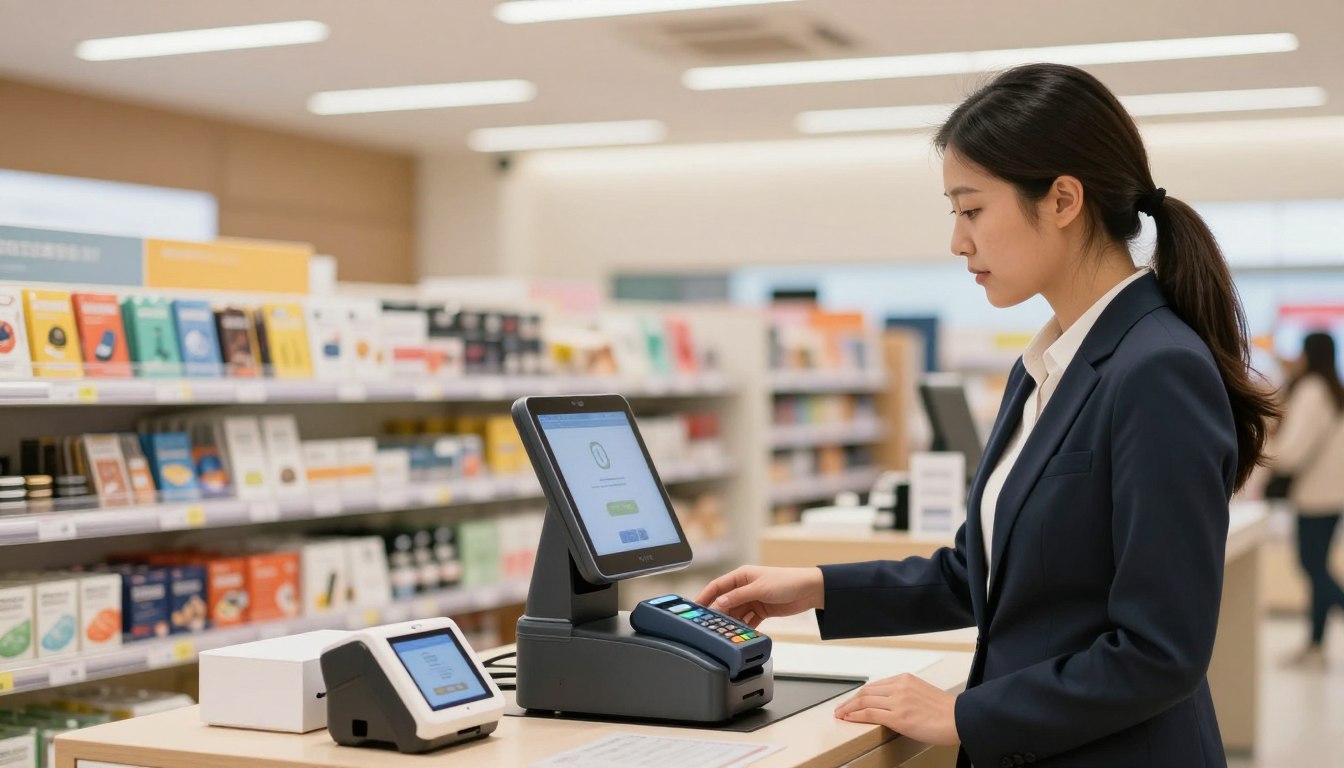
The main checkout area is called the cashwrap. It holds the point of sale system, where stores scan items, apply discounts, and accept payment. Shelves near the cashwrap often feature snacks, gifts, or other small items for easy impulse purchases.
Retail payments can use a card, phone, or digital wallet. Contactless payments use near field communication, or NFC, to send payment details. You pay by tapping or waving an enabled card or smartphone near a terminal, such as Apple Pay.
Mobile payments are digital transactions completed through a mobile device. They make checkout faster and give shoppers a convenient way to pay. Look for the contactless symbol on the terminal before tapping your device.
EMV stands for Europay, Mastercard, and Visa. An EMV chip card uses a computer chip to help authenticate each transaction. It offers stronger protection than a magnetic stripe, which stores static card information.
A card on file lets a retailer store payment details through a secure, approved system. Repeat shoppers can check out faster without entering the full card number each time. Strong PCI compliance rules help protect this sensitive information.
An unsecured card file creates a serious risk. It may expose payment details to theft and harm shoppers and businesses. Trusted retailers use secure tools and limit access to payment data.
- A chargeback starts when a customer disputes a charge with the card issuer.
- A retailer may send a chargeback rebuttal letter with proof of delivery or service.
- Receipts, order records, and delivery details can support that response.
A cloud POS is a web-based point of sale system. It processes transactions through the internet instead of one local computer or server. This setup helps stores manage sales, updates, and records across several locations.
A customer-facing display shows your items, taxes, discounts, and loyalty details during checkout. You can review the order before paying and spot errors right away. Clear displays build trust and make shopping easier for everyone.
Retail Metrics and Financial Terms Made Simple
Numbers help us understand how a store serves its community. These retail metrics show what shoppers buy, how products perform, and where a business can grow.
The average transaction size is the average amount spent per purchase. Divide total sales by the number of transactions to find it. Average transaction value, or ATV, means the same thing.
A higher average may reflect helpful service, strong product choices, or a popular promotion.
Cost of goods sold is often called COGS. It covers product costs tied to items sold during a set period. Retailers list COGS on a profit and loss statement, helping teams track inventory turnover and manage stock carefully.
Gross margin shows what remains from sales after direct product costs are removed. For one item, it is the gap between the selling price and the item’s cost. At the company level, gross margin shows whether sales support store operating costs.
Net sales are revenue after returns, markdowns, and employee discounts are removed. Net profit is money left after operating expenses; net profit margin shows it as a share of net sales. The margin helps store owners judge the health of daily operations.
- Average transaction size tracks spending per purchase.
- Gross margin tracks money kept after direct product costs.
- Net profit margin tracks money left after all major expenses.
These figures also give shoppers useful context. A store with healthy margins may have more room to support local events, fair wages, and welcoming service. We can celebrate businesses that use retail finance to plan wisely and build lasting community ties.
Retail finance covers money choices behind growth, stock, staffing, and new locations. A leveraged buyout, or LBO, is one such financial structure. It uses borrowed funds to buy a company. Company assets may secure the loan, while future cash flow helps repay it.
When we understand these terms, store reports feel less distant. Each number tells part of the story behind the products and experiences we enjoy.
Retail Business Models, Channels, and Supply Agreements
Retailers use different business models to bring products to shoppers. In wholesale retail, we buy stock, store it, and manage customer returns. Payment may be due 30, 60, or 90 days after delivery.
With consignment merchandise, the supplier keeps ownership until an item sells. We display and sell the product, then share revenue at an agreed rate. Sale or return works similarly, and unsold items may return after a set period.
Drop shipping lets a manufacturer send an order straight to the shopper. We take the order, while the supplier handles shipment. Factories may set a minimum order quantity, or MOQ.
Larger orders can lower the cost per item.
Multichannel retailing uses separate stores, catalogs, and online shops. Omnichannel retail connects these paths into one smoother experience. Customers may use store pickup, mobile coupons, loyalty rewards, price tools, or digital product guides.
Retail supply agreements set clear duties for each partner. They may cover delivery dates, labels, stock updates, insurance, waste, returns, markdown costs, and payment schedules.
- Retailers choose their own selling prices.
- Suppliers may suggest a retail price.
- Price fixing is illegal, so talks should focus on cost price.
- Contracts should explain fees, penalties, and return rules.
Smaller stores give suppliers useful ways to test new products. We can place smaller orders, make quick choices, and offer direct customer feedback. This approach can lower risk before a product reaches a large chain.
These models support local shops and growing brands in different ways. Clear terms help us serve families, build supplier trust, and make room for fresh community products.
What Retail Terms Mean When Shopping at Lauderhill Mall
During Lauderhill Mall shopping, retail terms explain each step. An anchor store draws many visitors to the mall. Nearby specialty retailers meet focused needs, including fashion, beauty, and gifts.
Merchandising explains how stores group, price, package, and display products. Cross merchandising places related items together. A shoe display near handbags may inspire an easy add-on purchase.
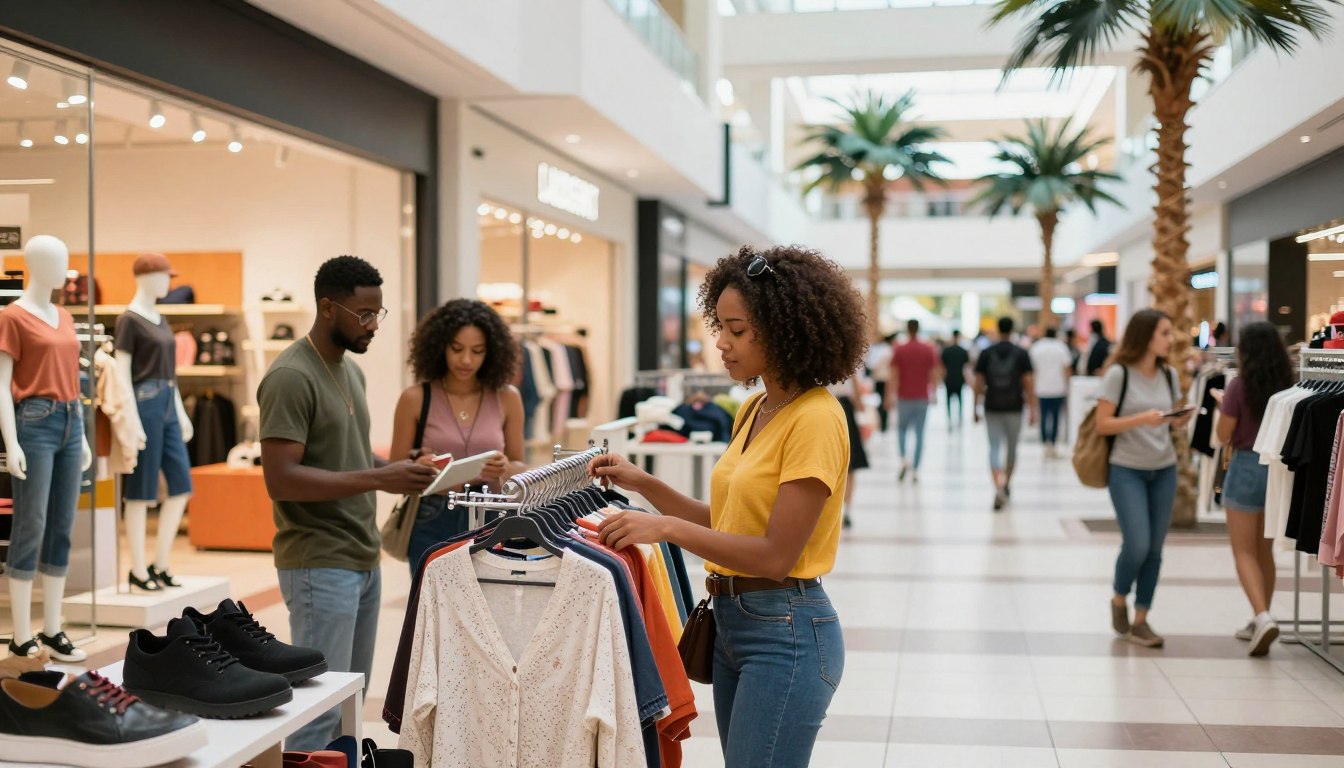
The cashwrap is the checkout area. A customer-facing display may show your order, taxes, discounts, and loyalty details before payment. These clear tools make South Florida shopping easier.
- Contactless payments use an NFC card or smartphone.
- EMV payments use the chip in a debit or credit card.
- Mobile payments work through a digital wallet.
- A card on file can support an approved repeat checkout.
Click and collect, also called buy online, pickup in store, lets you order before visiting. You can avoid shipping costs and reduce waiting time. A JDA Software survey found that more than half of customers used a similar service.
An endless aisle lets shoppers browse products not displayed in the store. Clear signs, pictures, and simple product details can help people with dyslexia. These features support a smoother visit for everyone.
As we explore Lauderhill Mall, we can support local businesses and discover products reflecting our diverse community. These mall retail terms make family shopping easier, more informed, and more welcoming for neighbors of all ages.
Conclusion
Our guide has retail terms explained, making shopping clearer and more confident. Prices, promotions, inventory, displays, and checkout systems shape each visit. This retail glossary explains product costs and how stores serve our community.
Terms like ATS, ATV, COGS, gross margin, net profit, and net sales show retail success. Backorders, dead stock, carrying costs, and inventory turnover explain product availability. Together, these terms create a useful retail shopping guide for comparing offers and asking clear questions.
Merchandising, clienteling, augmented reality, and endless aisle tools can improve the store experience. Wholesale, consignment, sale or return, drop shipping, multichannel retailing, and omnichannel marketing show how products reach shoppers. EMV, NFC, cloud POS, card on file, and chargebacks explain payment safety.
At Lauderhill Mall, this knowledge supports smarter shopping. We can compare value, talk with store teams, and support local businesses confidently. Clear, welcoming information helps every member of our diverse community feel included. Together, we make shopping more personal, informed, and connected!