

Every day, we see new diet trends on social media and tips from friends. Ads promise quick weight loss. These messages confuse us and make nutrition seem hard. Many families feel frustrated, undernourished, or stuck in a cycle of chasing myths. We're here to help. We'll debunk myths and share healthy eating tips that work in real life.
We believe in making small, lasting changes. This approach helps build habits that support sustainable weight loss. Online, there's too much conflicting advice. We aim to clear the confusion with clear explanations and practical steps. We'll show you how to make smart swaps, manage portions, and choose balanced meals that honor your culture and family.
We're a community-focused group. We want to connect local shops and services with families who value good food and health. Together, we'll show how balanced nutrition, exercise, and patience can overcome myths and support long-term health.
Come learn with us and feel supported. Visit Lauderhill Mall for fresh food, family-friendly dining, and local businesses. Get practical tips, local products, and a warm welcome. Let's make healthy eating easier together!
Common nutrition myths and why they persist
We see myths everywhere, from the grocery to social media. Local tips, catchy ads, and quick fixes explain why myths stick around. Simple advice beats slow, steady changes. Diet myths start with catchy headlines: lose weight fast or try a miracle pill. These claims make dieting seem easy. People want quick answers, so these messages spread quickly.
Online advice often mixes messages. One article says carbs are bad, another praises keto. Conflicting advice leaves families confused. When experts disagree, people trust friends' stories over science. Myths create unrealistic hopes. They promise quick weight loss through extreme diets. This harms our energy and mood. We should look to experts like registered dietitians for better advice.
- Watch for miracle claims that sound too good to be true.
- Check sources and prefer qualified experts over viral posts.
- Talk to local vendors and ask for clear, practical tips.
Community action can fight nutrition myths. Workshops, talks with vendors, and free clinics offer reliable info. Learning together makes real change feel possible!
Carbohydrates are the enemy
We often hear carbs are bad at dinner and in stores. But, this myth is wrong. It confuses empty calories with healthy foods. Carbs are key for our energy. Foods like quinoa, brown rice, and beans give us energy slowly. They also have fiber, vitamins, and minerals that keep us full.
- Choose whole grains over refined breads and pastries.
- Swap chips for fruit or roasted chickpeas for a satisfying snack.
- Make plates with lean protein, healthy fats, and a serving of complex carbs for balance.
Encourage families to find healthy carbs at Lauderhill Mall and local stores. Look for whole-grain breads, fresh produce, and legumes. These are often found at farmers’ markets and specialty shops.
It's not about cutting out carbs. It's about eating the right amount. Complex carbs help with digestion and feeling full. Making smart choices is better than strict rules!
Eating fat makes you fat
We hear fat myths everywhere! Many people still think eating fat automatically leads to weight gain. The truth is simpler: what matters is the type and amount of fat we eat.
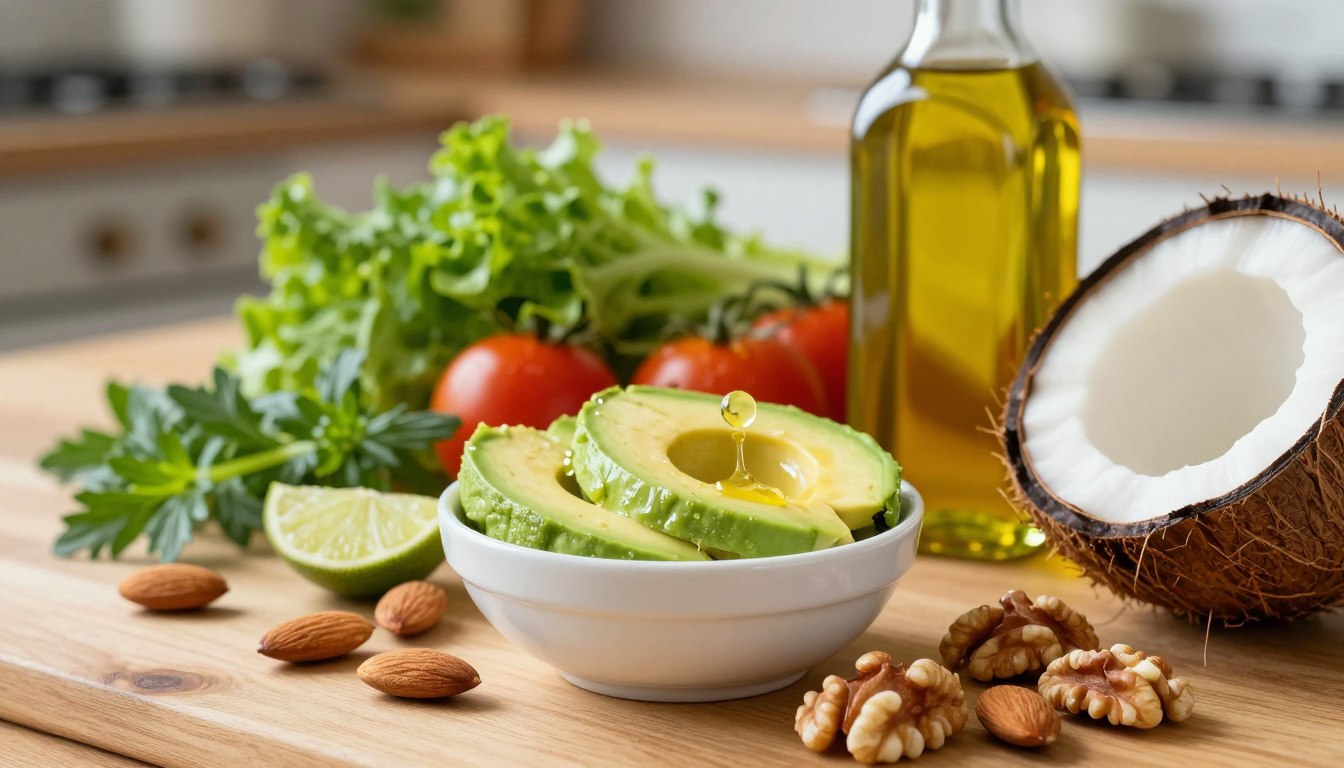
Healthy fats like avocados, nuts, and olive oil help us feel full. They slow digestion and curb cravings. Including unsaturated fats in meals can support steady energy and better portion control.
Fatty fish such as salmon, mackerel, and sardines bring omega-3 to the table. These fats support brain and heart health. Swap processed fried snacks for nutrient-dense choices to get these benefits.
- Choose olive oil for cooking and dressings.
- Snack on a small handful of almonds or walnuts.
- Include fatty fish twice a week for omega-3.
We must limit trans fats and many fried, packaged foods. Those items add empty calories and raise health risks. Focus on quality rather than avoiding all fats.
If you shop at Lauderhill Mall, look for vendors selling fresh fish, ripe avocados, and olive-oil-based products. Small swaps make a big difference for satiety and long-term health!
Skipping meals and fasting myths
We see the skipping meals myth everywhere. People think missing breakfast or lunch will speed weight loss. But, skipping meals often makes us hungrier and leads to overeating later. This can cause low blood sugar, fatigue, and irritability.
We suggest eating steady, balanced meals every 3–4 hours. Include protein, healthy fats, and complex carbs to stay steady all day. Intermittent fasting facts matter when planning a change. Short, planned fasts can work for some people. They need clear goals and medical guidance.
Without planning, fasting can trigger bingeing and stress. Professionals at clinics and dietitians like the Academy of Nutrition and Dietetics stress thoughtful approaches. We encourage talk with a healthcare provider before starting any fasting pattern.
Meal timing and metabolism is a real conversation. Eating at regular times helps energy and focus. Starving yourself sends the body into stress mode and can slow metabolism. This may increase the risk of muscle loss over time. Small, consistent habits beat dramatic skips every time.
We recommend simple snacks when hunger hits. Try Greek yogurt with berries, a handful of almonds, or apple slices with peanut butter. These options are easy to find at local cafes and food courts, like spots in Lauderhill Mall.
They help keep hunger steady and prevent overeating later.
- Eat balanced meals every 3–4 hours.
- Seek professional advice for fasting plans.
- Choose protein-rich snacks to curb appetite.
We want everyone to enjoy food without fear! Small changes, steady meal timing and metabolism, and respect for intermittent fasting facts help families build healthy routines. Let’s support each other with practical tips and kind guidance!
Detox diets, cleanses, and quick-fix supplements
We want to give you solid advice! Many ads promise quick fixes, but the truth is different. Your body has its own ways to get rid of waste, like the liver and kidneys. Special cleanses often don't add much value and can be too low in calories and nutrients.
These cleanses might lead to muscle loss, tiredness, and not getting enough nutrients. This is a big risk. Instead, we recommend eating whole foods like fruits, veggies, grains, lean proteins, and healthy fats. This way, your body can detox naturally and keep your energy up for daily activities.
People often look for pills that promise to help them lose weight fast. But, many of these products don't have enough science backing them up. Things like chitosan, chromium picolinate, Garcinia cambogia, glucomannan, and yerba mate have shown mixed results. This makes us question if these supplements really help in the long run.
Detox teas and quick cleanses might not work well and could even be harmful. Some supplements can be helpful, like omega-3s and vitamin D, but only for certain people. Always talk to a pharmacist or a registered dietitian before trying new products.
We're here to support you! Always check the labels and avoid extreme diets. Choose foods that help you live your best life. If you're thinking about supplements, get a professional's opinion first. Local pharmacies and health clinics can help you find safe and reliable options.
You can out-exercise a bad diet
The out-exercise myth is tempting. A long run or a hard spin class feels like a free pass to eat what we want. Studies show weight change is driven mostly by food choices. This makes it clear that eating habits often matter more for shedding pounds.
Still, exercise importance cannot be ignored! Moving keeps our hearts strong, lifts mood, and helps preserve muscle. Strength training, in particular, fights age-related muscle loss and raises resting metabolism. Think of workouts as the partner to good eating, not a replacement.
Look at the numbers. Research suggests exercise may account for about 20–30% of weight-loss effects while diet contributes 70–80%. This helps explain why trying to out-train a constant stream of extra calories rarely works. We must pair activity with mindful portions and nutrient-rich choices.
Practical steps work best. Mix cardio and strength training for steady progress. Watch portions and favor whole foods after workouts. That combo supports fitness, recovery, and long-term health.
Here are local ideas we love near Lauderhill Mall:
- Join morning mall-walking groups for family-friendly activity.
- Try strength classes at Planet Fitness or small studios nearby.
- Follow a simple walking route around the park for daily steps.
- Visit vendors offering healthy post-workout snacks like fruit bowls and Greek yogurt.
We encourage families to blend movement with better meals. When we treat exercise and nutrition as teammates, results stick and feel good.

Common calorie and weight-loss misconceptions
Many believe all calories are the same. This myth leads to cutting too much or choosing empty snacks. But, focusing on calorie quality and nutrient balance is key for lasting results.
Quick fixes promise fast weight loss. But, experts say losing weight too fast is not safe. It can lead to muscle loss and vitamin depletion. Slow and steady weight loss is better for your health.
Some think skipping meals helps lose weight faster. But, starving yourself can cause cravings and fatigue. It also means missing out on important nutrients. Eating regular meals with protein, fiber, and healthy fats is better.
Spot reduction is a myth. Trying to lose belly fat with endless crunches won't work. Strength training helps keep muscle while losing fat. This approach shapes your body and supports long-term health.
- Choose nutrient-dense foods over empty-calorie snacks.
- Plan portions and keep meals regular for energy.
- Include resistance work to protect muscle mass.
- Seek help from a registered dietitian or local clinic when needed.
We want you to feel confident and steady on this journey! Focus on good food, realistic goals, and a safe weight loss rate for real change that lasts. #community #health
Relating nutrition myths to daily life: shopping and dining at Lauderhill Mall
When we walk through Lauderhill Mall, we make nutrition easy. Choose whole grains, beans, fresh produce, and healthy fats. These choices make healthy eating simple and practical!
Forget about cleanses and supplements. Opt for balanced meals like grilled fish or chicken, whole-grain sandwiches, and salads with olive oil. Add Greek yogurt, nuts, and real-fruit smoothies to your diet. These options support healthy choices and keep your family energized.
Small changes can make a big difference. Swap fried snacks for grilled or baked ones. Snack on fruit or nuts between meals. Pair treats with lighter meals later. These small swaps are better than drastic diets for Lauderhill's community nutrition.
- Look for vendors offering grilled proteins and salads.
- Ask about ingredients and portion sizes before you order.
- Visit mall pharmacies or nutrition services nearby for quick guidance.
We invite families to join mall walking groups and nutrition demos. Food vendors can show off culturally diverse, balanced meals. This effort strengthens community ties through local shopping healthy choices. Support small businesses with healthier options and ask questions when buying. These steps build lasting community nutrition Lauderhill and make healthy habits a part of everyday life!