
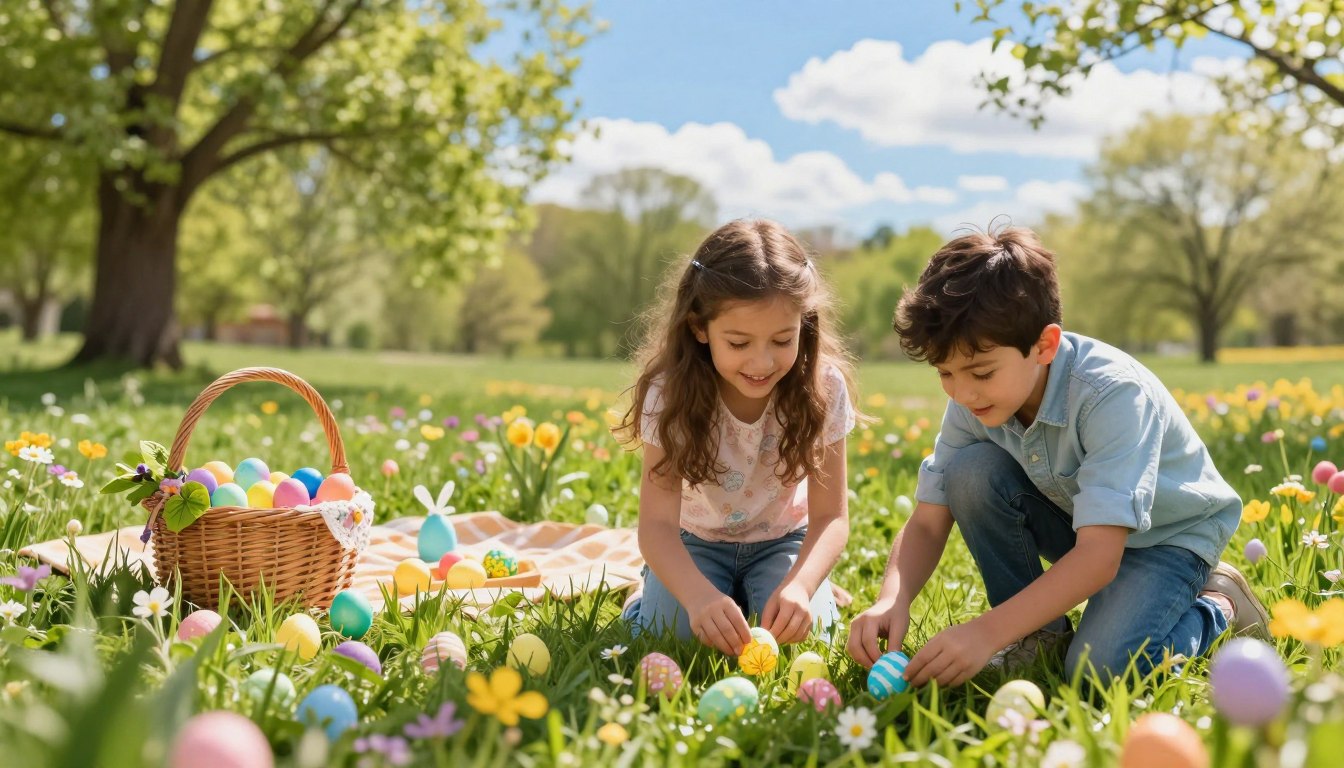
Keeping energetic kids engaged in spring can be tough. Screens and store-bought kits often fall short. Families seek easter activities that are adventurous and teach about nature.
Join us for a nature-inspired Easter filled with outdoor crafts and hands-on learning. Take a short walk to collect petals, ferns, pebbles, and twigs. Then, use these items to make cardboard nature eggs, pressed-flower keepsakes, and simple STEAM projects for all ages.
These family Easter ideas use affordable materials like cardstock, Mod Podge, raffia, clay, and Elmer’s glue. Add quick nature talks about pollinators, birds, and seasonal change. This way, your play is creative, curious, and eco-friendly.Bring your family to shop local for supplies! Visit Lauderhill Mall for craft materials, snacks, and to support local shops. We'll be there to shop, create, and celebrate spring together!
Easter Activities Adventurous Kids
We plan Easter for kids who love to move and explore nature. We focus on hands-on projects that keep them active and curious. These ideas turn yards, parks, and sidewalks into places for discovery.
Start with simple garden tasks. Plant begonias, marigolds, sunflowers, petunias, or sweet peas in pots or beds. Kids learn responsibility and see how plants grow. It's a lesson in life cycles and care.
Build obstacle courses from things you find at home. Use old cupboard doors as balance beams, bricks for stepping stones, and cones for weaving. Make sure it's safe and fun for all ages. This activity is perfect for kids who love thrills.
Mix art with motion through process play. Try egg roll painting, egg drip splatter, or playdough Easter eggs. Kids make bold marks and explore texture, color, and cause-and-effect. These activities are great for all abilities and cultures.
- Count and sort colored eggs to practice numbers and hues.
- Hide letter-sound clues for a phonics hunt on the lawn.
- Set timed relay races that teach teamwork and pacing.
We make sure everyone can join in. Offer quieter roles like clipboard helper or seed-label artist for those who need calm tasks. This makes outdoor activities welcoming for all.
Let kids help plan and build. When they hammer, arrange, or plant, they feel proud and confident. Celebrate their efforts with cheers and snacks!
Nature Egg Decorating Ideas Using Found Materials
We start by going on a neighborhood nature walk. We look for petals, ferns, tiny twigs, pebbles, and evergreen clippings. Kids enjoy finding colorful leaves and lavender buds. This makes nature egg decorating fun and hands-on.
For a simple craft, we cut cardboard nature eggs from recycled cardstock. We use double-sided tape or Elmer’s glue to add rose petals, pressed flowers, and small pebbles. These cardboard eggs are safe and easy for little hands to work with.
Contact-paper sun catchers with pressed flowers are another great idea. We layer flowers and leaves between two sheets of clear contact paper, cut to an egg shape, and hang them near a sunny window. They look delicate and bright.
Traditional natural dyes for eggs are also a hit. We wrap hard-boiled eggs with leaves and onion skins, secure them in cloth with an elastic band, and boil them for about 30 minutes. After cooling, we reveal golden, foliage-patterned eggs that feel like treasures from the garden.
Pressed flower eggs are a keepsake option. For older kids and teens, we use wooden craft eggs and attach pressed flowers with Mod Podge. We secure the egg in play dough while decorating for steady hands, then seal with another coat of Mod Podge for lasting display.
- Use biodegradable glitter for a soft sparkle.
- Organize materials in labeled jars to keep the table tidy.
- Prep cardboard templates for younger children to trace and decorate.
We recommend using recycled or compostable supplies whenever possible. Finished eggs look great strung as a garland or tucked into moss-filled egg cartons for a spring display. These small touches make nature egg decorating a warm family ritual.
Outdoor Scavenger Hunts and Forest Small-World Egg Hunts
We love combining big outdoor adventures with cozy play at home. Start with a simple outdoor scavenger hunt. Kids search for leaf shapes, feathers, pebbles, and bark patterns. Each child gets a checklist and a small bag.
Bring the woods indoors with a forest small-world egg hunt. Use a tuff tray with soil, twigs, toy stumps, and leaf piles. Hide mini eggs and add small bowls for sorting.
Kids become woodland explorers, practicing fine motor skills. Use the nature scavenger hunt as a bridge between outdoor and indoor play. After collecting, press leaves and bark into play dough or clay.
Match the imprints to the real finds. Count or group eggs by color to build early math skills.
- Backyard hunt: quick checklists for short attention spans.
- Park hunt: longer routes for big energy days.
- Community center groups: plan stations for sorting, storytelling, and imprints.
Story prompts help imagination flourish. Ask where eggs might have come from and who lives in the tiny forest. These questions encourage language skills and social play.
These activities are great for family meetups, preschool groups, and community events. The mix of outdoor and indoor play keeps children curious and connected to nature.
Build-A-Bird-Nest Activity for Steam Learning
We invite families to try a hands-on bird nest craft that blends science, art, and engineering! This nature STEAM project uses simple materials like pipe cleaners, moss, raffia grass ribbon, ribbons, and small “eggs.” Adults can pre-shape pipe cleaner frameworks for little hands while older kids design their own bases.
Start by weaving moss and ribbons into the pipe cleaner frame. Kids test stability by adding play dough or clay as a stabilizer, mirroring how birds use mud. This STEAM bird nest task teaches structural thinking and biology through a playful experiment.
Use prompts to spark conversation! Ask what birds need for nests: materials, food, water, and shelter from predators. Then make it a challenge: which kids nest building activity holds three small eggs without collapsing?
- Materials: pipe cleaners, moss, raffia grass ribbon, ribbons, play dough or clay, small eggs.
- Steps: shape frame, weave materials, add stabilizer, test with eggs.
- Learning goals: engineering, observation, problem-solving, bird biology.
Pair this kids nest building activity with bird-watching walks. We encourage families to note local species and nesting habits. This setup works great for small group workshops at libraries, nature centers, or community rooms in Lauderhill Mall.
Garden Projects: Planting Bulbs, Seeds, and Pollinator-Friendly Beds
We love hands-on family gardening projects that bring kids outside in April and beyond! Start with spring bulb planting and simple seed sowing. Choose a sunny spot or use containers on a porch. Small pots work great for beginners.
Try begonias, marigolds, sunflowers, petunias, and sweet peas. These plants feed bees and butterflies when they bloom. A pollinator garden with bright, easy flowers teaches children how nature works.
- Pick bulbs and seeds suited to your zone.
- Plant bulbs at the recommended depth and space.
- Sow seeds like sunflowers and marigolds following packet directions.
Label rows or pots to track growth. Give each child a marker and a simple journal. They can record dates, sketch leaves, and note pollinator visits. This ties planting bulbs for kids to real science and caring.
Use low-cost options like containers, window boxes, or community garden plots. We suggest shopping locally at Lauderhill Mall for seeds, gloves, and small tools. Shopping nearby supports our neighborhood retailers and keeps costs down.
- Choose sunny spot or container.
- Prepare soil and place bulbs for spring bulb planting.
- Sow seeds, water gently, and label each pot.
- Start an observation journal and count pollinators weekly.
Pair planting with crafts. Kids can decorate cardboard egg-shaped plant markers or paint popsicle sticks. These small projects make family gardening projects fun and memorable.
Track pollinator visits as a simple citizen science activity. Note bees, butterflies, and other insects that visit the pollinator garden. This builds respect for local biodiversity and gives kids a sense of purpose!
Hands-on Steam Challenges: Obstacle Courses and Backyard Adventures
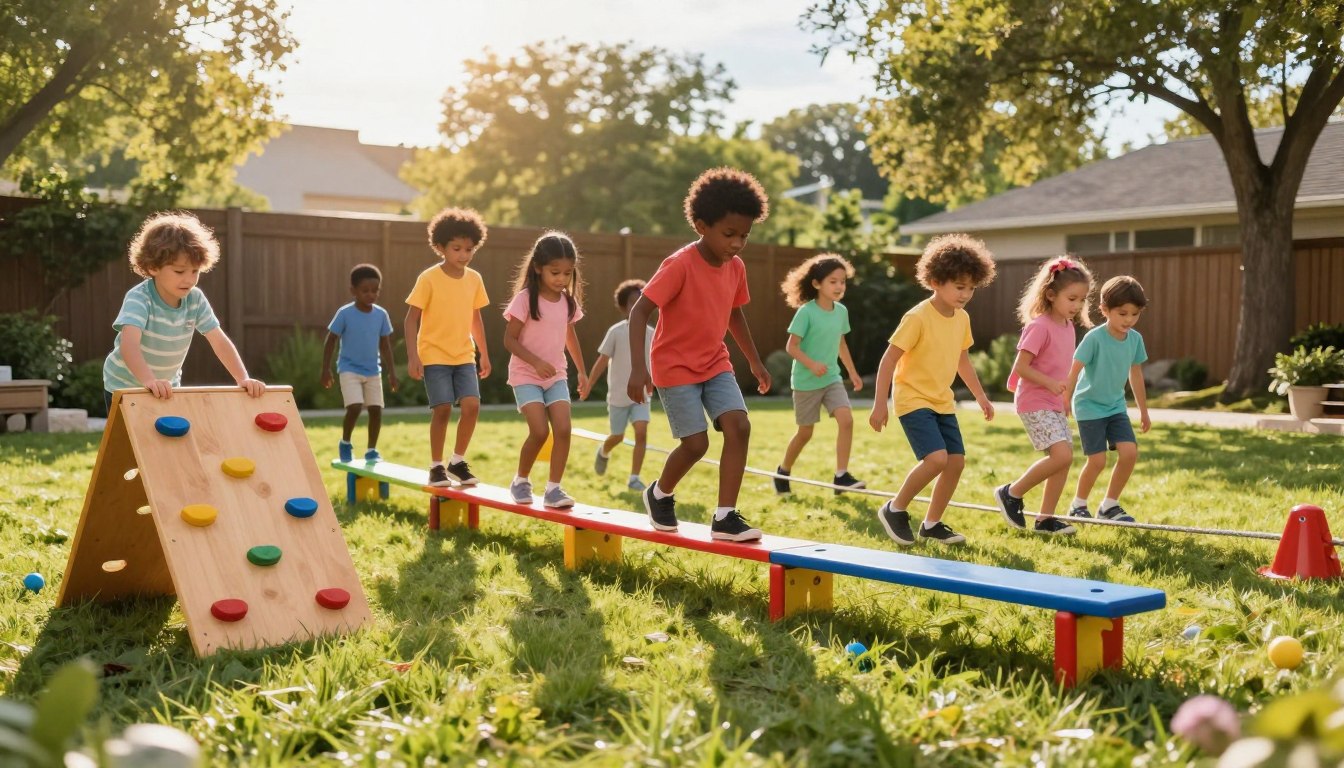
We love turning our yard into a playful lab! Start with a backyard obstacle course. Use old cupboard doors as ramps, bricks for platforms, and skirting boards for balance bumps. Kids help build and learn tool safety while they shape the course.
For bike fans, a simple DIY bike ramp teaches design and caution. Test sturdiness, pick a gentle slope for beginners, and require helmets and pads. Let children time runs, adjust ramp angles, and note how speed changes. These tasks become lively STEAM challenges for kids.
Mix in outdoor engineering projects like pulley lifts, cardboard bridges, or water-measure experiments. Use measuring tapes and timers for math practice. Challenge teams to redesign parts for smoother rides or faster runs. These variations boost curiosity and teamwork.
- Safety first: match tasks to age and skill, test all builds, and supervise bike activities.
- Community play: invite neighbors, host family playdates, or include mall-sponsored events.
- Shop local: bring materials from Home Depot or Michaels to support small businesses.
These hands-on ideas blend active play with engineering thinking. They make outdoor engineering projects feel simple and fun. Families leave energized and proud of what they built together!
Bug Hotels, Wildlife Habitats, and Citizen Science Exploration
We enjoy simple projects that get kids outside. Try making a bug hotel from an empty bottle. Cut the top off, then roll newspaper into tight tubes. Place them in the bottle, leaving small holes.
Put the bottle in a warm, sheltered spot in your yard. Soon, you'll see visitors like ladybirds and earwigs. They help break down leaves and feed birds. This shows kids how food chains work.
Creating wildlife habitats is fun. You can make twig piles, log shelters, and shallow water dishes. These attract pollinators. Combine these with your pollinator beds and nest-building. This makes your yard welcoming. Garden projects that offer cover, food, and water are best.
Encourage families to record what they see. Citizen science is a great way to learn about species. Use a notebook, smartphone photos, or charts to track visitors.
- Materials: bottle, newspaper, twigs, dry leaves.
- Placement: warm, sheltered spot near plants and nesting areas.
- Watch for: ladybirds, earwigs, beetles, spiders, woodlice.
Local nature centers and groups offer guided walks and ID sessions. Joining these walks boosts your confidence in spotting wildlife. It's a great way to meet others who care about nature.
Keep activities short and fun. Small successes spark curiosity and respect for nature. These projects can inspire a love for biodiversity and help your garden grow!
Process Art & Sensory Activities With Natural Textures
We invite families to explore process art nature projects. These activities focus on touch, color, and discovery! Kids can enjoy egg roll painting and egg drip splatter painting. These activities surprise them every time.
Set up low-mess stations for sensory activities. Use trays or recycled muffin tins for painting. Kids can roll plastic eggs in thinned paint. For drip painting, seal eggs and let children tilt canvas or paper.
Try watercolour foil prints and contact-paper suncatchers. Use tissue or pressed flowers for these activities. Pressed blooms create vivid prints and teach about leaf veins and petal shapes. Use magnifying glasses to compare imprints and real leaves.
- Playdough eggs stamped with natural textures: leaves, flowers, honeycombs.
- Textured rollers and stamps for pattern exploration.
- Foil and watercolor transfers for bold color studies.
These activities improve fine-motor control and color recognition. Kids make decisions and enjoy open-ended play. We suggest changing simple prompts to keep groups engaged at public events or community centers.
For more, encourage counting and comparing imprints. Discuss symmetry and display work in windows or local café boards. These projects are perfect for group settings and community celebrations. They keep mess low and joy high!
Reusable and Keepsake Crafts for Older Kids and Teens
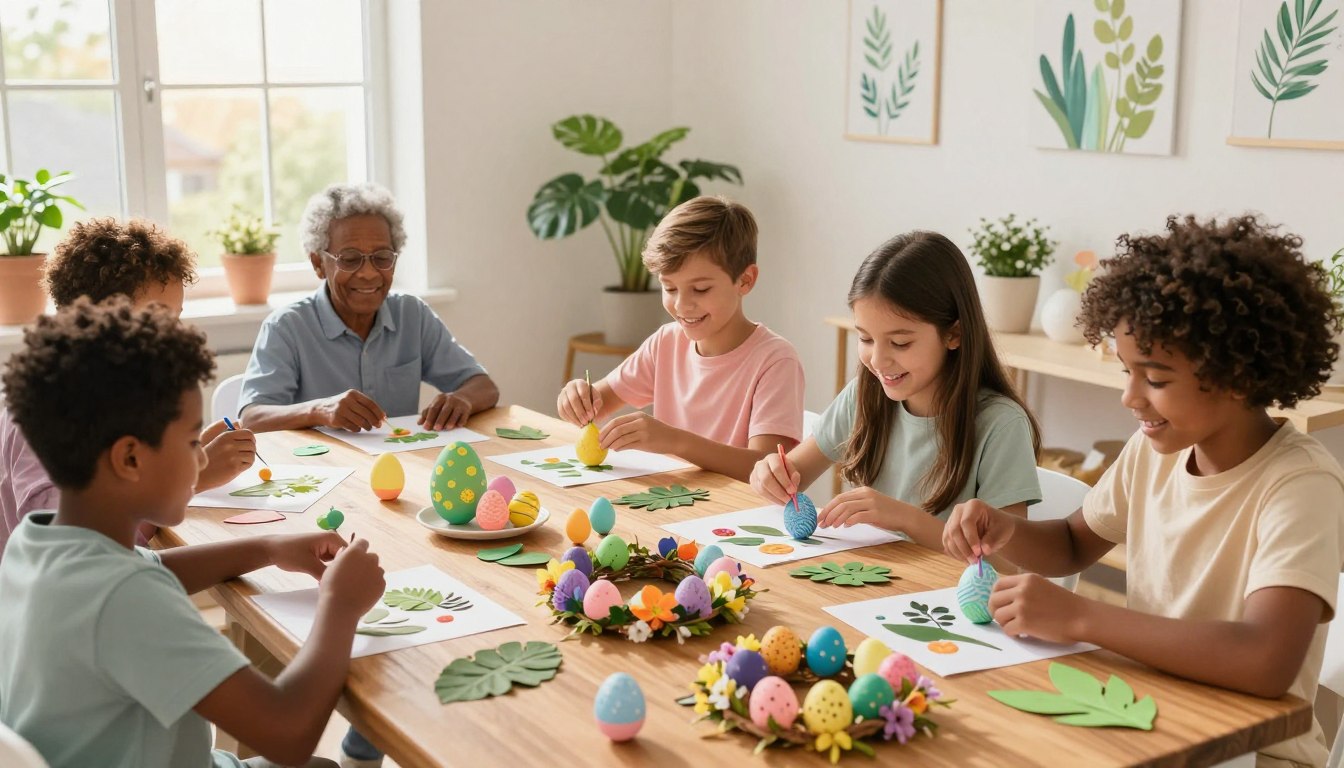
We love projects that last. Wooden egg crafts are perfect for teens to slow down and create something special. Use quality craft eggs from Michaels or Hobby Lobby. Hold each piece steady in play dough, then press dried flowers in place with Mod Podge.
Begin with pressed blooms and thin brushes. Apply Mod Podge in thin layers for clear drying. Seal the whole egg with a final coat for durable keepsake Easter crafts that last years.
Fabric-wrapped eggs and decoupage are great for teens who enjoy pattern play. Painted wooden eggs require more precise brushwork and color mixing. These techniques improve fine-motor skills and design thinking, making reusable Easter decor for mantel displays.
- Gather supplies at local craft stores to support small businesses.
- Make an egg-carton display with moss for a spring centerpiece.
- Plan a teen craft night where older kids mentor younger ones.
These crafts for teens are perfect for community workshops and family evenings. They teach patience and care, creating heirloom pieces that return to the table each year.
Play-Based Learning Stations: Trays, Tuff Trays, and Sensory Bins
We create simple play stations for Easter that let kids explore and talk together. Small trays and tuff trays help keep things tidy. Sensory bins add fun textures for quick visits. Try fun activities that are easy to move and fit in places like Lauderhill Mall. Use pom poms and big tweezers for an egg colour-matching game. Fill a tray with rainbow rice for a hunt using plastic eggs and letters.
Use a light panel under card stock for egg stamping. Offer cardboard eggs for kids to work together. Create a rescue mission in a sensory bin where kids use tools to find tiny animals.
- Materials: pom poms, jumbo tweezers, plastic eggs, alphabet objects.
- More materials: rainbow rice, loose parts, light panels, contact paper, tissue.
- Extras: small baskets, wipes, and labeled bins for rotation and storage.
These activities help young learners in many ways. They improve fine motor skills, visual learning, reading, and speaking. Kids make choices, and adults guide them gently. In community settings, plan for rotation and cleaning. Have extra trays and materials ready. Use contact paper for easy cleaning. Label everything so families know what to return.
We suggest working with local vendors and schools for supplies. Host events in places that are welcoming to families. Make sure everyone feels included with quiet areas and different sensory options.
Shop and Play: Combining a Visit to Lauderhill Mall With Nature-Themed Easter Fun
We enjoy mixing shopping with fun in Lauderhill. Stop by Lauderhill Mall Easter pop-ups for seeds, wooden eggs, and more. Local shops have everything you need. Grab a craft kit from a small business. Then, head to a park or the mall for a fun craft session with the kids.
Make your visit to Lauderhill Mall easy by using the mall parking and restrooms. Enjoy a meal at family-friendly eateries and invite neighbors for a workshop. The mall offers tuff-tray stations and nature craft pop-ups for all ages.
Support local vendors and their diverse supplies. Let's celebrate nature, family, and small businesses together.