

Groceries are a big monthly expense for many families. With prices going up, it's harder to stretch your budget. We understand the struggle and want to help you save on groceries without losing quality.
Good news is that small habits can make a big difference. Quick inventory checks, making lists, and planning meals around sales can help. Choosing plant-based options and avoiding waste also save money.
We'll show you how to shop smart without sacrificing taste or nutrition. You'll learn about planning, smart protein swaps, and checking prices. These tips help you save money without using cheap ingredients.
Want to support local businesses while saving money? Lauderhill Mall offers family-friendly grocery shopping and budget-friendly finds. Connect with local stores, find fresh deals, and stretch your grocery budget. Come visit Lauderhill Mall and shop smart. Your wallet and community will thank you!
How to Spend Less at the Grocery: Core Principles to Start Saving
We start with simple grocery saving principles that fit family life. Plan meals for the week and check your pantry before you shop. A clear grocery list keeps trips short and stops impulse buys.
Make a habit of taking inventory. If pasta, oats, or canned beans are already on the shelf, you avoid duplicate purchases. This step pairs nicely with budget grocery tips that cut waste and save cash.
Compare unit prices on the shelf to find real value. Bigger packages can be cheaper per ounce, but only buy bulk when you will use or freeze it. That’s how we shop smart without cluttering the kitchen.
Reduce convenience buys like pre-cut veggies or ready meals. A little prep at home saves 30–50% on many items. Swap in frozen fruit and vegetables for fast, affordable options.
Limit how often you visit the store. Fewer trips mean fewer temptations. We plan meals around sales and marked-down items so nothing goes to waste.
- Create a weekly plan meals sheet to match store deals.
- Use a concise grocery list organized by aisle to speed shopping.
- Buy bulk for shelf-stable goods and freeze extras when possible.
We celebrate local shops and cultural foods while sticking to these principles. Saving money should strengthen community ties, not erase traditions!
Meal Planning Strategies That Save Money and Time
Start by checking what you already have in the fridge, freezer, and pantry. This quick check helps you avoid buying things you already have. It also helps you use up items before they go bad.
Then, plan your meals for the week based on what's on sale. If chicken and broccoli are cheap, plan meals like stir-fries and soups. This way, you save money and avoid last-minute takeout.
Choose ingredients that can be used in many different dishes. For example, potatoes, rice, and oats can be sides, breakfasts, or bases for meals. This makes your grocery list shorter and saves time in the kitchen.
Keep a log of what you actually eat for two weeks. This helps you see what you really need and what you can skip. Your meal plans will be more realistic and less wasteful.
Use your freezer to store cooked meals and ingredients. This makes quick dinners possible and helps you stretch your meals. It's a big time-saver on busy days.
- Rotate sale items into the plan each week.
- Make one-pot dinners that become next-day lunches.
- Portion and freeze extras to save time cooking later.
Think about getting a CSA share for fresh, seasonal produce. It supports local farmers, adds variety to your meals, and can be cheaper than buying at the supermarket. Share with friends or split a box to try new veggies without spending too much.
Smart Protein Swaps: Lower Cost Without Losing Nutrition
Meat can be expensive. We use plant-based swaps to save money and keep meals tasty! Dried beans and lentils are nutritious and cheap. Buy them in bulk and cook a lot. Then, freeze them in portions for later. Lentils cook quickly and don't need soaking, saving time.
Choose affordable options like eggs and canned tuna for animal protein. Eggs are very affordable for protein. Canned tuna stretches your budget for several meals.
Use less meat for flavor instead of the main dish. Add a little ground beef or shrimp to pasta, stews, or grain bowls. This way, you feed more without losing flavor.
- Replace half the ground meat in chili, tacos, or burgers with beans and lentils to keep texture and lower cost.
- Use tofu in stir-fries and curries where it soaks up sauce and spices, matching cultural favorites while cutting costs.
- Make bulk batches of lentil dal or bean soups for easy weeknight dinners.
We compare costs to find the best protein deals. Beans and lentils often cost less than meat. This helps us choose affordable options that fit our budget.
These swaps honor our traditions. Beans are great in tacos, lentils in Indian dals, and tofu in Asian bowls. We save money and enjoy delicious meals!
Buy in Bulk and Compare Unit Prices for Best Value
Having a pantry full of staples feels great! Buying in bulk saves money on things like rice, oats, pasta, and canned beans. Just compare prices on the shelf to find the best deals.
Not every big deal is worth it. Look at unit price signs to see if family-size packs are really cheaper. If we can't use something before it goes bad, the savings disappear.
Warehouse stores like Costco or Sam’s Club are good for long-lasting items and meals that freeze well. Sometimes, a frozen lasagna from Costco is cheaper and quicker than making one at home.
- Bulk shopping tips: buy what you actually eat and store it properly.
- Portion and freeze meat, cheese, and bread in labeled packs to avoid waste.
- Compare small versus family-size packaging with a unit price comparison to know the true deal.
Local grocery sales and price-matching policies can match warehouse store prices. We check both to avoid overspending or clutter.
Sharing is smart. Buying in bulk with neighbors or family can split costs and strengthen bonds.
Reduce Convenience Purchases and Prep at Home
We aim to help you cut down on convenience foods without stressing about meals. Pre-cut veggies, pre-shredded cheese, and deli sandwiches are pricey. Instead, buy whole items and prep them at home to save money and keep quality up.
Set aside a bit of time on the weekend for meal prep. Clean, chop, and portion veggies into easy-to-use packs. A small chopper or sharp knife can quickly pay off by saving you money.
Frozen produce is a good compromise. It's already washed and chopped, saving you time and often beating fresh prices. Use it in soups, stir-fries, and smoothies to cut costs.
- Turn scraps into broth. Save peels and bones in the freezer for homemade cooking stock.
- Make breadcrumbs from stale bread. Use bacon fat or rendered fats for flavor without buying specialty oils.
- Compare time and cost. Some ready-made frozen items at stores like Costco can be smart buys when time is tight.
Think community! Host a prep party with neighbors to share tools, recipes, and time.
Shop Seasonal and Use Discount Bins to Lower Produce Costs
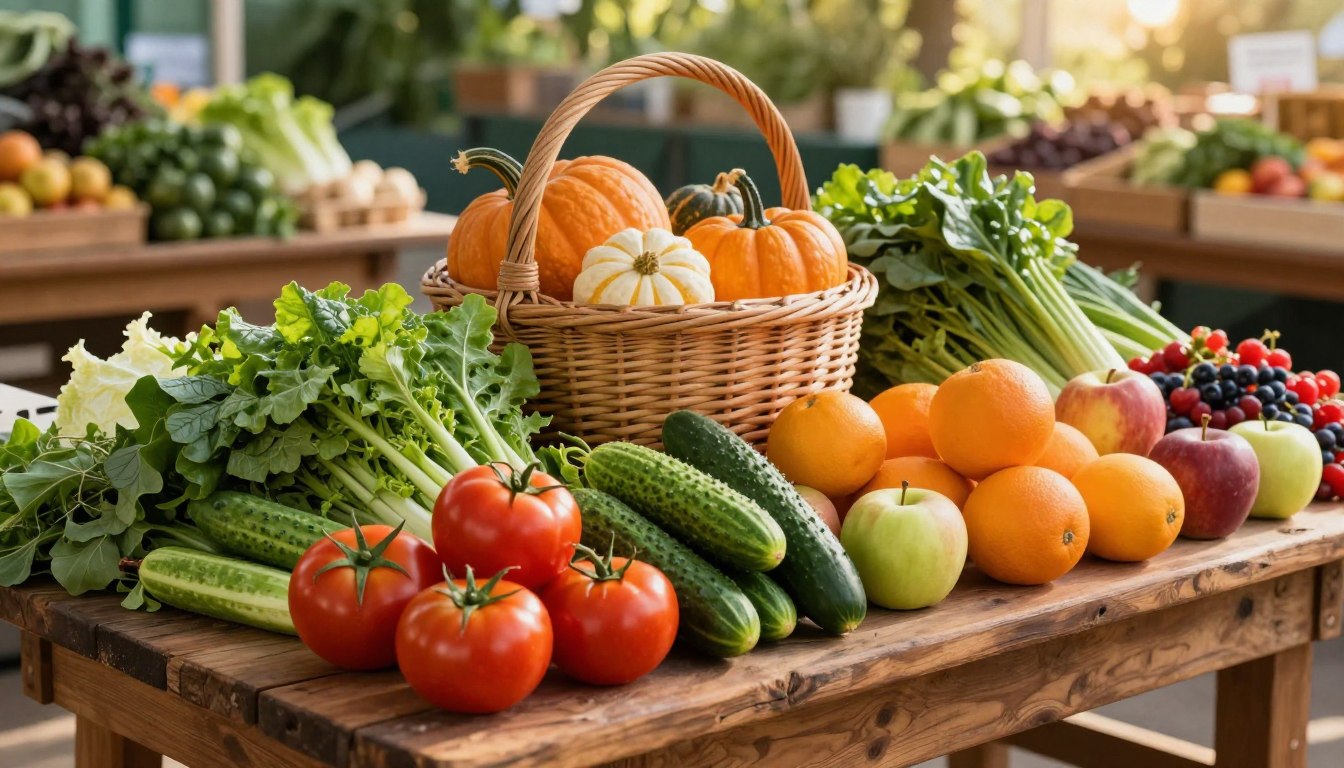
Seasonal produce adds amazing flavor to our meals! When fruits and veggies are in season, they taste better and cost less. Plan your meals with what's ripe each month for the best taste and savings.
Look for discount bins for great deals. These bins have produce that's been reduced, perfect for baking, cooking, or freezing. Overripe bananas make delicious banana bread, and soft tomatoes are great for sauces.
Know when to shop for the best deals. Some markets lower prices the day before restocking. Visit late in the afternoon or the day before to find cheaper produce. This way, we get quality without breaking the bank.
Join a local CSA to save money and support farmers. CSA boxes offer seasonal produce at fair prices. Share what you can't use with neighbors or swap items. This way, everyone saves and enjoys fresh, local food!
Frozen fruit and veggies are a smart choice when fresh is expensive. They're frozen at their peak ripeness and are perfect for smoothies, soups, and stews. Frozen produce helps stretch meals and reduces waste.
- Plan menus around seasonal produce to save.
- Check discount produce bins for reduced produce deals.
- Buy frozen when fresh is pricey.
- Share CSA boxes or swap extras with neighbors.
Reduce Food Waste With Storage, Freezing, and Creative Reuse
Food waste is a big expense for families. A simple meal plan and proper food storage can help. These small changes can make a big difference!
Freeze leftovers right away. Items like cooked beans, rice, and bread last longer in the freezer. Labeling and dating them helps us avoid waste and save money.
Use near-expiry produce in soups, compotes, frittatas, or sauces. Vegetable peels, herb stems, and Parmigiano rinds make great homemade stock. These steps reuse kitchen scraps and add flavor without extra cost.
- Leftover rice → fried rice or rice bowls.
- Roasted veggies → frittata or grain salads.
- Stale bread → croutons, breadcrumbs, or bread pudding.
We shop less often and look for marked-down items. Reduced-price meat can be frozen for later. This way, we plan meals better and get creative with leftovers.
Label batches clearly and keep older items at the front. Storing food properly in clear containers keeps it fresh. This makes meal prep quicker for busy families.
Invite neighbors to swap excess items or start a small community pantry. Sharing surplus builds connection and helps create a No-Waste-Community. Together, we save money and feed more people.
Use Loyalty Programs, Coupons, and Store Timing to Maximize Discounts
We love saving together! Join grocery loyalty programs at stores like Safeway, Kroger, or Publix. Earn points and unlock member-only discounts. Sign up for newsletters for early access to deals and digital coupons.
Use apps and digital flyers to scan weekly sales across nearby stores. This makes price matching easier at chains with clear policies. Price matching cuts down on errands and gets us the best price without running between stores.
Clip grocery coupons from brand sites and apps, but focus on items we already buy. Targeted coupons prevent impulse purchases. Stack manufacturer coupons with store promos when allowed to boost savings on pantry staples.
Learn store timing for markdowns. Bakeries often discount late in the day. Meat cases get marked down near restock days. Shopping with timing in mind helps us find clearance items and the biggest grocery discounts.
- Set calendar reminders to check pantry and freezer each season.
- Organize labels so we use older items first and avoid duplicate buys.
- Combine loyalty rewards with local market schedules and mall promotions for extra wins.
We keep savings simple and steady. With smart use of grocery loyalty programs, coupons, store timing, and price matching, our weekly bill drops while quality stays high.
Flexible Shopping: Swaps, Substitutes, and Creative Buying
We enjoy flexible shopping! Prices can change, but a loose plan helps save money and reduces stress. Choose 4–5 seasonal items weekly and create meals around them.
Make a list of ingredient swaps. Swap black beans for chickpeas, quinoa for brown rice, or kale for collard greens. These swaps keep flavors rich and costs low!
- Stretch proteins by adding grains and legumes.
- Use smart substitutes for dairy, like yogurt for sour cream.
- Choose affordable swaps when a preferred item is pricey.
Think in categories, not recipes. If asparagus is expensive and broccoli is on sale, swap it in. Flexible shopping means buying in bulk, not just brand names.
Compare proteins by cost-per-serving. Ground turkey, canned tuna, and dried lentils are often cheaper. Add veggies and grains to make each meal stretch further.
Share tips with neighbors and local groups. We trade grocery substitutions, seasonal deals, and
Save while you shop at Lauderhill Mall area stores and make a money-smart mall visit
We plan our Lauderhill Mall shopping trips carefully. We mix errands with grocery runs to find local deals. Look for discounts at nearby grocers, international markets, and discount stores.
Bring a list, reusable bags, and an insulated tote for meats or perishables. This way, you can freeze items at home.
Spot discount bins and clearance racks in stores near the mall. Many international markets and specialty vendors offer markdowns on produce and bakery items. Visit late in the day or the day before restock for the best deals.
Use loyalty programs and mall promotions to save more. Digital coupons and in-app deals can be combined with loyalty discounts. Sign up for offers from local vendors near the mall.
Supporting small businesses and cultural vendors keeps money in our community. It helps us find unique, affordable ingredients for diverse meals.