

If planning a holiday meal around gluten feels stressful, we can make it simpler with easy recipe swaps and a welcoming visit to Lauderhill Mall for your holiday shopping! Our gluten-free thanksgiving recipes can pair plain turkey, vegetable and potato sides, safely prepared stuffing and gravy, and one or two desserts made with gluten-free ingredients.
When you cook for a family with different food needs, familiar dishes can help everyone feel at home. A few smart ingredient checks can make the meal easier to share, without turning your holiday into a long list of special tasks.
We’ll keep the ideas practical, with flexible recipes and small steps you can fit into your plans. You can also make Lauderhill Mall part of your holiday preparations and enjoy time together while shopping.
Let’s make room at the table for everyone and enjoy the season together!
Planning a Gluten-Free and Dairy-Free Thanksgiving Menu
A gluten- and dairy-free Thanksgiving menu can still feel familiar when we build it around simple foods and make a few thoughtful swaps. Plain turkey, vegetables, potatoes, fruit, beans, and nuts can give your family a generous Thanksgiving dinner.
Cross-contact means the unintended transfer of gluten to food through shared ingredients, equipment, or surfaces. A dish can use gluten-free foods yet still face cross-contact in a busy kitchen.
The FDA requires foods labeled “gluten-free,” “no gluten,” “free of gluten,” or “without gluten” to contain less than 20 parts per million of gluten. The rule has applied since 2014, as explained in the FDA’s gluten-free labeling information.
That packaged-food rule does not guarantee that a meal made on shared surfaces is free from cross-contact. The FDA estimates that 3 million people in the United States have celiac disease, so careful planning can help many guests.
In a 2017 FDA analysis, one of 702 samples from more than 250 products labeled “gluten-free” failed the labeling requirements. That result supports checking the label, not assuming every dish at a shared meal is safe. Dairy needs its own plan. Butter, cream, and cheese are common in holiday food, but you can serve dairy-free spreads or leave dairy toppings on the side.
For guests avoiding both, simple vegetables and potatoes can be made without cream or cheese. Fruit also makes an easy addition to the holiday table. Ask guests what they need before you plan the menu. Their answers can guide which foods need separate serving tools and which packaged items deserve a closer look.
Check every packaged ingredient and confirm that its label fits the needs of the guests you are serving.
Best Gluten-Free Thanksgiving Recipes for an Easy Menu
For the easiest crowd-pleasing menu, start with a plain roasted turkey, two simple sides, and one dessert that everyone can share. The best gluten-free Thanksgiving recipes use naturally gluten-free basics with carefully checked packaged ingredients.
Simple gluten-free Thanksgiving recipes can still give everyone a full plate. Choose one main dish, two vegetable or potato sides, a bread or stuffing option, and one dessert.
- Herb-roasted turkey breast for a familiar main dish.
- Mashed potatoes for a soft, comforting side.
- Lemon-maple squash for a bright vegetable option.
- Gluten-free apple pie for a shared dessert.
These picks give you a mix of familiar flavors without asking you to cook every dish from scratch. A 2025 Thanksgiving guide lists more than 83 holiday food swaps, including dairy-free options. The list can help you find alternatives when a guest avoids more than gluten. Still, you do not need to make dozens of changes to welcome everyone.
Build the dinner around ingredients you already know how to prepare. Then check packaged bread, seasoning blends, and dessert crusts before they join the meal. If you want bread, choose a gluten-free loaf or use gluten-free cornbread in a separate stuffing dish. A plain turkey and two well-chosen sides can feel complete.
You can also include a simple fruit bowl if a guest wants a lighter finish. Keep the menu focused, so you have time to enjoy the gathering too. Choose dishes that share ingredients when it makes cooking easier, but keep serving tools separate where needed. That small detail can make a shared table feel more welcoming.
Keep the menu manageable by choosing just one new recipe to test before the holiday.
Keep the Turkey Gluten-Free and Safely Cooked
Plain turkey is a naturally gluten-free centerpiece, so the main job is checking what has been added before it reaches the oven. Seasonings, glazes, stuffing, and gravy may introduce gluten. A pre-seasoned or prepared bird can include ingredients you would not add at home. Read its ingredient list before buying, and check the label on any seasoning packet that comes with it.
For a simple recipe, season the turkey with herbs, butter, or lemon. Choose plain ingredients, then keep the bird separate from wheat-based foods as you prepare the meal. Butter works for guests who eat dairy, while olive oil can suit guests avoiding it. Lemon and fresh herbs add flavor without a long ingredient list.
Some prepared turkeys come with gravy or seasoning packets. Treat those as separate packaged ingredients and review each one, rather than assuming the bird and its additions share the same status. Stuffing also needs care. Wheat-bread stuffing cooked inside the turkey can bring gluten into contact with the bird, so a separate baking dish offers a simpler approach.
A food thermometer is the best way to check whether the turkey is safely cooked. Insert it into the thickest part, without touching bone. Do not rely on the turkey’s color or cooking time alone. A thermometer gives you a clear reading at the point that matters.
Set the thermometer aside for the final check, and clean it before using it on other food. That keeps the check simple and avoids moving food residue between dishes. Use a thermometer to confirm 165 °F at the thickest part of the turkey before serving.
Easy Gluten-Free Gravy, Made Ahead or on Thanksgiving Day
A flavorful gluten-free gravy is within reach when we skip wheat-based mixes and thicken the sauce with a gluten-free option. Regular turkey and chicken gravy mixes often contain wheat. Cornstarch makes an easy thickener, and gluten-free flour or sweet rice flour can work too. Check the package before adding any flour to your gravy.
To make a cornstarch slurry, stir cornstarch into cold liquid until smooth. Whisk it into simmering liquid a little at a time, so the sauce thickens evenly. Cold liquid helps the cornstarch blend before it reaches the hot pan. Add a small amount, then give the gravy time to thicken before adding more.
Gluten-free flour can also thicken gravy, though you may need to whisk it well. Sweet rice flour is another option for a smooth, rich sauce. For less work on the holiday, make gravy up to two days ahead and refrigerate it. Finish it with turkey drippings before serving to bring in the roasted flavor.
Reheat prepared gravy to a rolling boil before serving. Stir it as it heats, and use a clean spoon to taste or serve it. Turkey drippings can contain small bits of food from the roasting pan. Strain them if you want a smoother sauce, then whisk them into the prepared gravy.
A separate gravy boat can help keep the sauce apart from bread crumbs at the table. Set it near the turkey, with its own spoon. Whisk a little slurry into simmering gravy at a time so it thickens without lumps.
Gluten-Free Stuffing Without the Stress
We can keep the classic stuffing feel by using gluten-free bread and baking the dish separately from the turkey. Gluten-free cornbread can also make a hearty base.
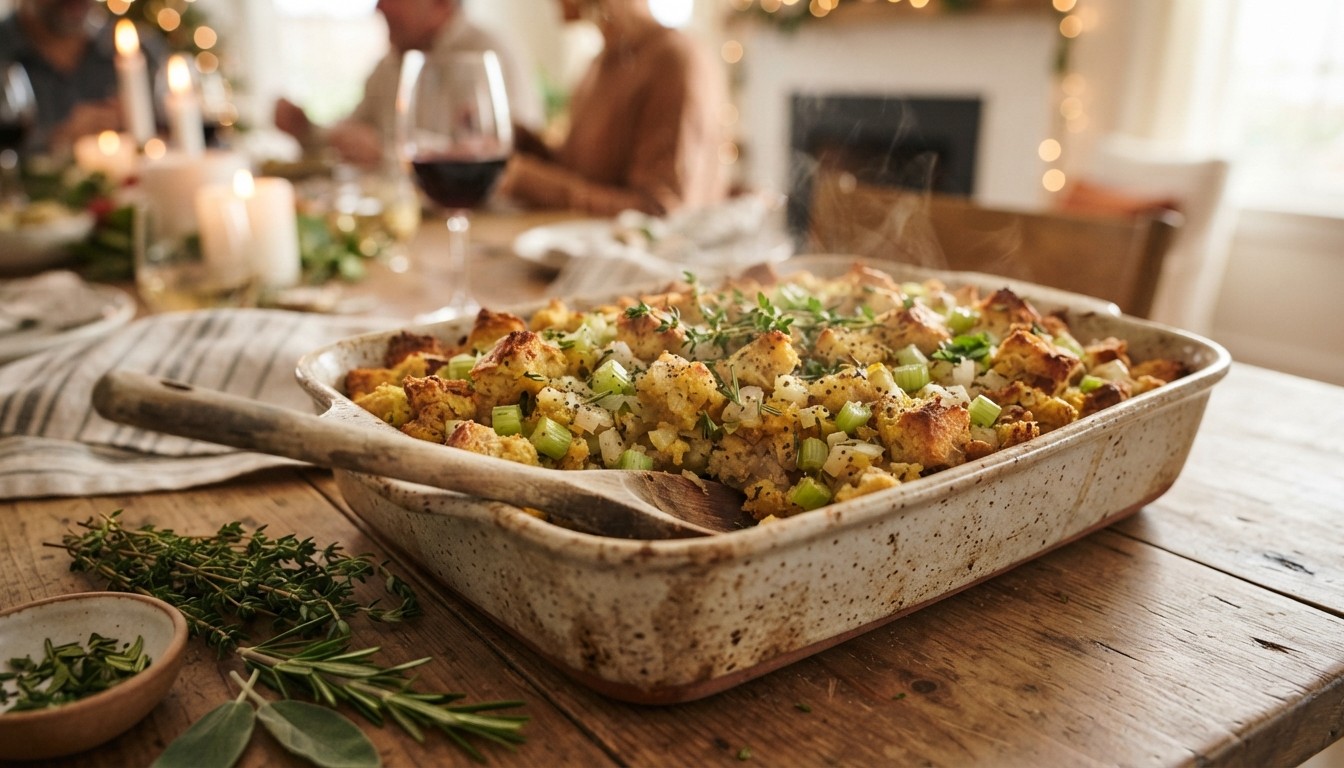
Wheat-bread stuffing cooked inside a turkey can expose the bird to gluten. A separate baking dish helps avoid that risk and gives you room to serve a gluten-free side.
For classic flavor, add celery and herbs to gluten-free bread. You can use gluten-free cornbread instead for a softer, more savory stuffing. Check the bread or cornbread package before cooking. Seasoning blends, broth, and other packaged add-ins can bring gluten into a dish that started with gluten-free bread.
A separate dish also makes it easier to keep the stuffing apart from wheat bread on the table. Use a serving spoon just for the gluten-free portion. Some guests may prefer a simple stuffing with a short ingredient list. Celery, herbs, and bread give you a familiar base without a complicated set of steps.
You can prepare the bread and vegetables ahead, then combine them closer to baking time. Keep the ingredients covered and separate from wheat-based food as you work.
Stuffing needs a safe temperature whether it cooks inside the turkey or in a separate dish. The center must reach at least 165 °F. Use a food thermometer to check the middle of the dish, not just the edges. The center takes the longest to heat through.
A separate casserole dish also makes it easier to set aside portions for guests with food needs. Mark it clearly if other stuffing is on the table.
Check the center of the stuffing for at least 165 °F before bringing it to the table.
Gluten-Free Thanksgiving Side Dishes for Every Plate
A few colorful vegetable sides can make the table feel generous without adding a complicated cooking project. These gluten-free Thanksgiving sides offer crisp, soft, and bright choices.
- Gluten-free green bean casserole with gluten-free crispy onions and panko.
- Roasted Brussels sprouts with a little oil and salt.
- Lemon-maple squash for a sweet, tangy side.
- Sautéed green beans with mushrooms and almonds.
A homemade green bean casserole can use gluten-free crispy onions and gluten-free panko for a familiar crunchy top. Check both packages before adding them. Seasonings can also include ingredients you may not expect. Review packaged spices and flavor mixes, especially when they go into a casserole for guests who avoid gluten.
Roasted Brussels sprouts need little more than oil and seasoning. Their browned edges give the meal a crisp bite alongside soft potatoes and stuffing. Lemon-maple squash adds a sweet note, while sautéed green beans with mushrooms and almonds make a savory option. Pick one or two rather than trying every idea. For guests who prefer a lighter dish, serve plain steamed or roasted green beans. They bring color to the plate without a rich sauce or crunchy topping.
Keep a small portion of simple vegetables separate before adding toppings or sauces. That gives guests another choice when casseroles do not suit their needs. A side dish can feel festive without a long ingredient list. Fresh herbs, lemon, or a handful of almonds can add flavor to simple vegetables. Use separate spoons for casseroles and plain vegetables at serving time. That helps keep the simpler option apart from other dishes.
Check the crispy toppings and seasonings before they go into a casserole.
Sweet Potato Sides That Feel Like a Holiday Treat
Sweet potatoes make an easy holiday side because they work just as well roasted as they do in a cozy casserole. The potato itself is naturally gluten-free.
- Five-ingredient roasted sweet potatoes for a simple, hands-off side.
- Maple pecan sweet potato casserole for a richer holiday dish.
- Vegan sweet potato casserole made with coconut milk.
Roasted sweet potatoes suit a busy kitchen because they need little prep. A simple recipe can keep the ingredient list short and leave room for other dishes. A maple pecan casserole brings a sweet crunch, while coconut milk makes a dairy-free or vegan version creamy. Choose the style that fits your guests and meal.
Cinnamon, maple, and pecans can each add a warm flavor. They are options, not required ingredients, so you can keep the dish plain if that works better. Sweet potato casserole can be a gluten-free side when its added ingredients and toppings fit the meal’s needs. The potato alone does not tell you what is in the finished dish.
Packaged toppings and marshmallows may need a closer look. Check their ingredient lists, along with any spice blend or sweetener you plan to use. If you serve more than one version, label the dishes clearly. A small note can help guests choose without having to guess what went into each casserole.
Roasted sweet potatoes can also be served without toppings, with maple or cinnamon offered at the table. That lets each guest choose how much flavor to add. Use a separate spoon for each casserole and topping bowl. The small step helps protect the dishes from unwanted ingredient transfer.
Check any marshmallows, spice blends, and packaged toppings before adding them.
Cozy Potato and Mac and Cheese Sides
If we want a comforting side with little fuss, mashed potatoes and gluten-free mac and cheese are easy places to start. Plain potatoes are naturally gluten-free. Creamy mashed potatoes are a classic choice, and cream cheese can make them richer. For a dairy-free version, use a suitable alternative instead of butter or cream cheese.
Roasted potatoes offer crisp edges, while whipped feta gives them a tangy, soft topping. A potato casserole can bring a more filling option to the meal. Mac and cheese adds familiar comfort, but pasta needs to be labeled gluten-free for guests avoiding gluten. Check packaged seasoning and sauce ingredients too.
A gluten-free mac and cheese recipe can be ready in about 20 minutes, making it a quicker pick for a crowded cooking day. It can also suit children who prefer a familiar dish. Choose a pasta shape that holds sauce well, and cook it according to its package directions. Gluten-free pasta can have a different texture from wheat pasta.
Potatoes work well with herbs, olive oil, or a creamy topping. Keep add-ons separate if guests have different needs around dairy. A cheesy potato casserole can be rich enough to serve in small portions. Pair it with a crisp vegetable side to give the plate another texture.
Use pasta specifically labeled gluten-free when serving mac and cheese to guests who need to avoid gluten.
Fresh Salads and Vegetable Sides
A crisp salad or bright cranberry sauce gives the richer dishes a fresh counterpoint. Fresh sides add color and a lighter flavor to the holiday table. A green salad with fruit, feta, and candied walnuts brings sweet and savory bites together. Keep the feta on the side for guests who avoid dairy.
Brussels sprouts salad with almonds and pomegranate offers a crisp, tart mix. Green beans with mushrooms and almonds make another fresh-tasting side dish.
Check packaged nuts and salad toppings before serving. Candied walnuts and seasoning mixes can include ingredients that do not fit every guest’s needs. Cranberry sauce adds a bright, fruity flavor beside turkey and savory sides. A six-ingredient recipe can take 15 minutes, making it a quick way to add color.
Salads can be assembled before guests arrive, then dressed just before the meal. That keeps greens crisp and lets diners choose how much dressing to use. Serve nuts in a small bowl when guests have different preferences. This gives people the option to add crunch to their own plates.
A fresh salad can balance creamy potatoes and warm casseroles without needing a complex recipe. Fruit, herbs, or pomegranate seeds add a festive look. Keep cheese on the side when you want guests to choose a dairy-free serving.
Gluten-Free Thanksgiving Appetizers to Share
A few small bites make it easy for everyone to gather and snack while the holiday meal is finishing. Gluten-free Thanksgiving appetizers can be simple to serve and share.
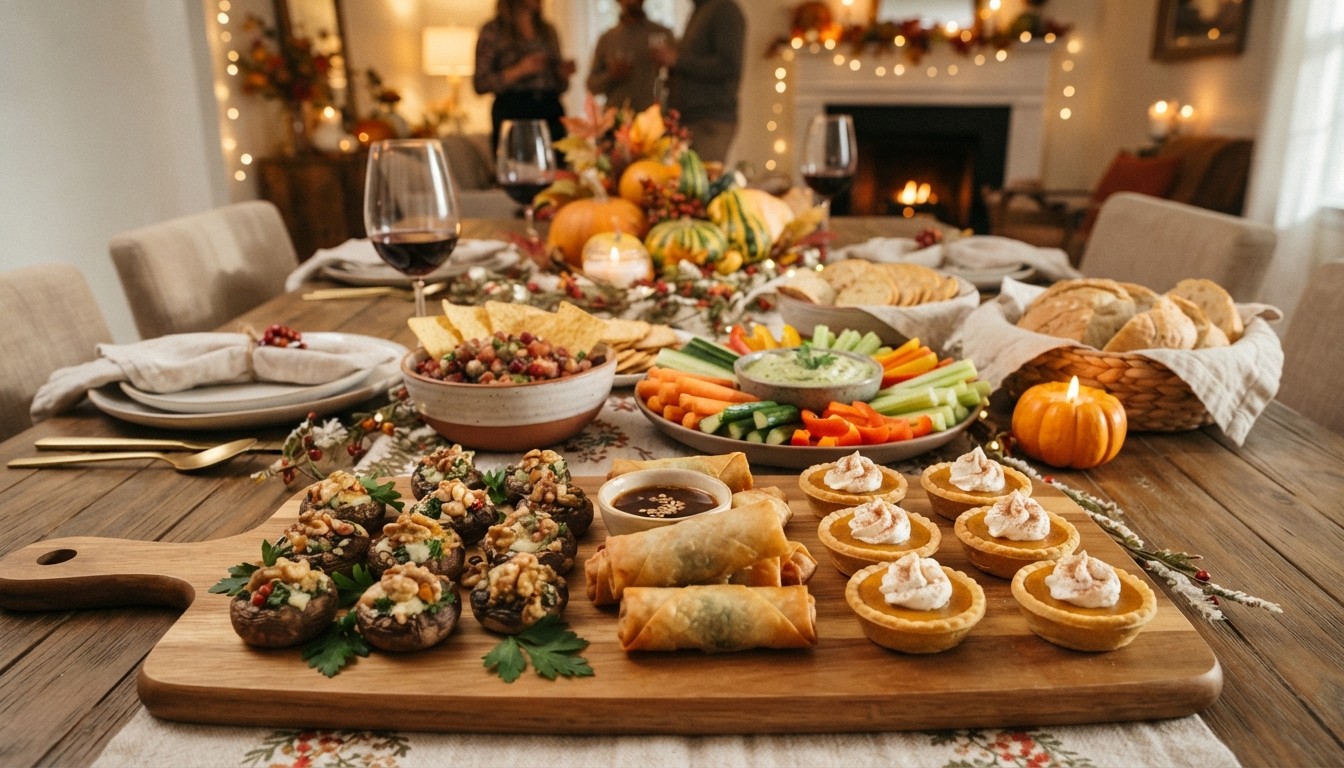
- Cheese-stuffed dates wrapped with prosciutto.
- Goat cheese with fresh dill and gluten-free crackers.
- Sausage-and-cream-cheese stuffed mushrooms with gluten-free breadcrumbs.
- Baked Brie in gluten-free puff pastry.
These options range from sweet and salty dates to warm, cheesy bites. Pick a few that match your guests’ tastes and the space in your oven. Check cracker, pastry, and breadcrumb labels before serving. Packaged versions can vary, so use items that fit the needs of your guests.
Stuffed mushrooms bring a savory bite, while dill adds a fresh note to goat cheese. Baked Brie can feel special without needing many extra ingredients. Keep appetizers separate from wheat-containing foods, including regular crackers and bread. Use clean plates and serving utensils so guests can choose with confidence.
Set out small portions and refill them as needed. That keeps the serving area neat while guests mingle and wait for dinner. Ask a family member to help keep the appetizer table organized. One person can watch for utensils that have moved between dishes.
Separate serving tools matter as much as the food itself when guests share a table. Place each utensil beside its matching plate or bowl. Set out a separate serving utensil for each appetizer to help prevent cross-contact.
Gluten-Free Thanksgiving Desserts for a Sweet Finish
A shared dessert platter can make the meal feel festive, and there are plenty of gluten-free styles to choose from. Easy gluten-free Thanksgiving desserts include pies, crisps, cookies, bars, cakes, and other fall treats.
- Katz Gluten Free Apple Pie has a crumbly, buttery-tasting crust and sweet, flavorful filling.
- Wholly Wholesome Gluten Free Pie Crust was described as “crunchy, sugary, and light.”
- My Mochi Pumpkin Spice has a chewy mochi exterior and creamy, spiced ice cream inside.
- Tate’s Bake Shop Gluten Free Chocolate Chip Cookies are light, crispy-crunchy, and buttery-tasting.
These tasted options offer different textures, from a crisp cookie to a chewy mochi shell. They can help you choose treats that suit your guests’ tastes. A gluten-free dessert collection includes more than 25 recipes, with pies, crisps, cookies, bars, cakes, and other fall choices. Homemade treats can be planned around your family’s favorite flavors.
Packaged food may not fit every guest, so check each label before serving. Needs can differ, even among people who avoid gluten. Use clean serving utensils for ready-made treats, and keep them apart from desserts made with wheat. A separate plate can make the choice clear.
You can offer more than one texture without making several full desserts. A pie and a small plate of cookies may be enough for a varied table. Set aside a few pieces before guests begin serving, if that helps keep portions separate. Labeling the plate can also help everyone know what they are choosing.
Check the package of any ready-made dessert before serving it to guests with dietary needs.
Pumpkin Desserts, Including Dairy-Free Choices
Pumpkin gives us familiar fall flavor in everything from a classic pie to easy-to-serve cupcakes. A homemade gluten-free pie crust can make pumpkin pie a holiday option. Crustless pumpkin pie cupcakes are simple to portion, while pumpkin muffins work well for a casual dessert spread. Pumpkin bars give you another easy-to-serve choice.
For guests avoiding both gluten and dairy, almond-flour pumpkin banana bread is gluten-free, grain-free, and dairy-free. It brings pumpkin flavor in a sliceable form. Dairy-free, refined-sugar-free, paleo pecan pie bars offer another option. Their bar shape can make serving easier than cutting a full pie.
Some guests may prefer a classic pumpkin pie with a gluten-free crust. Check the filling and crust ingredients, since a safe crust alone does not make the full dessert suitable. Frosting and whipped toppings can add dairy, so review their labels before serving. You can leave toppings off or offer them separately.
Packaged ingredients in muffins, bars, and bread also deserve a close look. A recipe’s name does not tell you every ingredient in its finished form. For a shared dessert table, place each pumpkin treat on its own plate with a serving tool. That helps guests choose among different options.
Confirm that the crust, topping, and filling all fit the needs of the guests sharing dessert.
Apple Pie, Crisps, and Other Fruit Desserts
Apples are an easy way to bring warm fall flavor to dessert, whether we bake them in a pie or serve them as a crisp. Fruit desserts can suit guests who want something beyond pumpkin. Gluten-free apple pie makes a familiar centerpiece, while apple crumble can be prepared ahead. A simpler apple galette gives you a free-form option without a pie pan.
Baked apples make individual servings, and skillet apple crisp can go from oven to table in one dish. Pick a style that matches your time and serving plans. Apple Crumb Pie has a rating of 5 from 4 votes. Easy Caramel Apple Dump Cake has a rating of 5 from 5 votes. A fruit filling does not make a dessert gluten-free by itself. Use a gluten-free topping or crust, and check any packaged mix that goes into the dish.
Apple desserts pair well with cinnamon and warm spices. You can serve them plain or offer a topping separately for guests who want it. A crumble is easy to portion with a spoon, while a galette can be cut into slices. Baked apples can help keep serving simple for a smaller group.
Keep the finished dessert away from wheat-based pastries when setting the table. A separate serving utensil helps protect each portion. Check the crumble topping and crust ingredients, since those are the parts most likely to contain wheat.
Choose and Use a Gluten-Free Pie Crust
A gluten-free pie crust can save a favorite holiday pie, and making it ahead gives us one less task on the big day. You can buy a crust labeled gluten-free or make one with gluten-free flour. Rice flour and tapioca flour are one option for a gluten-free pie crust, including a crust for pecan pie. Follow a recipe that gives amounts for the flour blend.
An egg and a little sugar can help a gluten-free crust brown. They can also add color when a crust looks pale near the end of baking. A make-ahead crust can be frozen for up to three months. Wrap it well and label it with the date, so you can find it when holiday cooking begins.
Ready-made crusts save mixing and shaping time. Read the package closely, since gluten-free products can still have other ingredients that do not suit every guest. During preparation, keep the crust and work surface away from wheat flour. Use clean tools and a clean board before shaping the dough.
Gluten-free dough can feel different from wheat dough, so follow the recipe’s steps rather than adding extra flour by guesswork. A cover can keep the dough from drying out. Set the crust on a clean pan before filling it. If you prepare more than one pie, keep each crust clearly separate.
Keep the crust covered and separate from wheat flour while shaping and baking it.
Shop and Celebrate at Lauderhill Mall
We can pair holiday meal prep with a community visit to Lauderhill Mall, where shopping and a shared outing can be part of the celebration. The mall is at 1267 NW 40th Ave, Lauderhill, FL 33313. Regular hours are Monday through Saturday, 10 a.m. to 8 p.m., and Sunday, 11 a.m. to 6 p.m. The mall is open seven days a week and hosts free monthly events.
A free Thanksgiving turkey giveaway is scheduled for November 20, 2026. Each family can receive one turkey with a qualifying receipt dated November 1-20 from a mall store.
Grocery receipts do not qualify for the giveaway. Keep the receipt from a mall store if you plan to take part.
- Charlie’s Pastries and Joy’s Roti Delight.
- Quality Poultry & Seafood and JZ’s Fish Wings.
- Dunkin’ and Nothing But Wings.
- Crafty Crab Seafood and Sweet Tea & Treat.
- Subway, with build-your-own sandwiches and salads.
These dining options are listed at the mall, but that does not confirm Thanksgiving service or gluten-free meals. Contact a restaurant directly about its holiday hours and menu.
Family Dollar is at 1621 A N State Road 7 in Lauderhill and is listed as open daily from 7 a.m. to 10 p.m. It lists food and beverages, cooking and baking supplies, kitchen essentials, and holiday table-setting items.
A mall visit can bring shopping and family time together. Check with each store or restaurant for details that matter to your plans.
Before relying on a restaurant for a gluten-free meal, ask its staff about ingredients and how food is prepared.
Conclusion
We can make a gluten-free Thanksgiving feel generous and familiar with a few thoughtful choices. Ingredient checks and simple changes can help more people feel welcome around the family table.
Choose one recipe to try, then come visit Lauderhill Mall and shop with us as we get ready to celebrate together!