
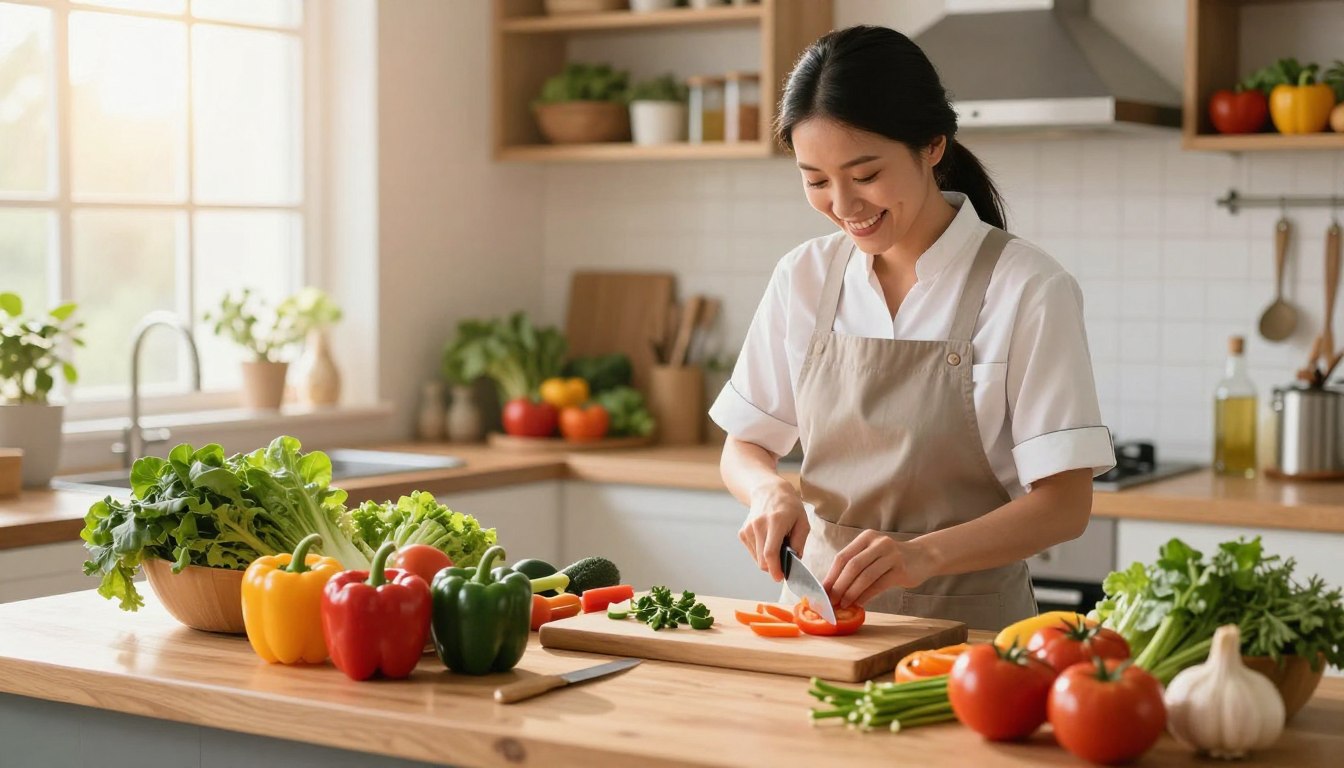
It's tough to eat more veggies when life gets busy. Meals already feel full, and adding more veggies seems like extra work.
But here's the good news: small, tasty swaps can help. Mix spinach into morning eggs, add extra peppers to pasta, and blend cauliflower into sauces. These changes boost fiber, vitamins, and antioxidants in our diet. We can eat more veggies every day without spending a lot. All forms work—fresh, frozen, or low-sodium canned.
We'll share easy, family-friendly ideas to add more veggies to every meal. You don't have to give up your favorite foods. Enjoy a burger now and then and meet the daily veggie goal by adding colorful sides and smoothies.
Come visit Lauderhill Mall to shop for local produce. Find great deals on fresh and frozen veggies and support small businesses. Stroll the market, pick up ingredients, and let's make eating veggies simple and fun together! We can't wait to see you there!
Why Eating More Vegetables Matters for Health and Weight Management
We love sharing simple ways to feel better every day! Eating a variety of vegetables gives big health benefits. They are full of fiber, potassium, folate, vitamin A, and vitamin C. These nutrients help lower the risk of heart disease, some cancers, and chronic illness.
Why eat vegetables when life is busy? One clear answer is weight support. Vegetables are low in calories but high in volume and fiber. This combo helps us feel full with fewer calories.
Try filling half your plate with vegetables, as the American Heart Association suggests. Dark green veggies like kale, bok choy, and turnip greens add folate and calcium. Orange choices such as carrots and sweet potatoes bring vitamin A. A colorful mix gives a wider range of nutrients.
- Swap rice for cauliflower rice to cut refined carbs and calories.
- Use lettuce wraps instead of bread for lighter sandwiches.
- Add shredded vegetables to sauces and soups to boost fiber and bulk.
Small swaps make a big difference for vegetables and weight management. We welcome families to try one change this week. Notice how full and energized you feel!
Practical Shopping Tips to Stock More Vegetables at Home
We make vegetable shopping easy and fun! Start by making a short shopping list. Think about your meals for the week and write down what you need. This keeps your shopping trips focused and avoids impulse buys.
Choose a mix of fresh, frozen, and canned veggies. Frozen peas, spinach, and mixed veggies save time and keep nutrients. Opt for canned beans and tomatoes with low sodium, and rinse them to reduce salt.
Keep some quick snacks ready. Baby carrots, snap peas, and pre-washed greens are great for fast meals. Pre-cut veggies make it easier to eat healthy. Try pre-bagged options from brands like Taylor Farms for convenience.
Buy a variety of colors each time. Red peppers, orange carrots, leafy greens, purple cabbage, and yellow squash add nutrients and excitement. Variety makes it easier to keep your fridge stocked with veggies.
- Compare labels using % Daily Value to pick higher-fiber or iron options.
- Pick frozen veggies without sauces for flexible use.
- Choose canned goods labeled low sodium or no sugar added.
After shopping, wash and chop extras right away. Store them in the fridge or freezer for later. This small step makes healthy choices easy when you're in a rush. Use simple cooking methods to highlight flavors. Roast with olive oil and rosemary, steam with lemon, or stir-fry with garlic and ginger. These methods bring out the natural sweetness and make buying veggies for every meal fun!
Breakfast Ideas That Add More Vegetables to Your Diet
We love quick, tasty ways to boost veggies at breakfast! Try a veggie omelet loaded with spinach, mushrooms, bell peppers, scallions, and cherry tomatoes. Eggs add protein and keep kids full. Swap cheddar for feta for a bright, salty twist!
Savory oatmeal is a surprise favorite. Cook oats in broth and stir in sautéed kale, mushrooms, or spinach. Top with a soft-cooked egg and a sprinkle of black pepper. This savory oatmeal keeps mornings warm and satisfying.
Green smoothies make mornings fast and green. Blend spinach or kale with frozen banana, frozen zucchini, or avocado for creaminess. Add Greek yogurt or milk for protein and a spoonful of nut butter for richness. Green smoothies travel well for busy families.
- Quick scramble: add chopped onions, bell peppers, and baby spinach to scrambled eggs.
- Muffin tin frittatas: mix eggs with diced veggies and bake for grab-and-go breakfasts.
- Veggie toast: smashed avocado topped with sliced tomato and microgreens on whole-grain bread.
These vegetable breakfast ideas fit family life and help us get closer to the 2½-cup goal. Small swaps add up! #VeggieBreakfast
Smart Lunch Swaps to Increase Vegetable Servings
We love simple veggie lunch swaps that make mornings easier and lunches greener! Swap bread for lettuce wraps or veggie buns like grilled portobello caps, sliced sweet potato rounds, halved bell peppers, or roasted eggplant. These swaps cut calories and add fiber and vitamins without losing the sandwich feel.
Bump up classic fillings. Mix tuna, canned salmon, or rotisserie chicken with chopped onions, shredded carrots, cucumber, baby spinach, cherry tomatoes, olives, and artichoke hearts. The extra veggies add crunch and volume so kids and adults feel satisfied.
Choose a vegetable or fruit salad as your main dish. A bowl of mixed greens topped with roasted beets, apple slices, walnuts, and feta keeps lunches light and nourishing. We pack cut veggies like cucumber, bell pepper, and cherry tomatoes for quick sides instead of chips.
- Prep once: keep sliced carrots, celery, and cucumbers in the fridge for easy assembly.
- Pack dual-purpose items: hummus or tzatziki doubles as dip and dressing.
- Make swaps fun: let kids build their own lettuce wraps at lunchtime.
These practical ideas help increase veggies at lunch without fuss. They work for busy families, school meals, and office lunches. Little swaps add up and help us meet daily vegetable goals while keeping meals tasty and full of variety!
Easy Dinner Recipes That Spotlight Vegetables
We love dinners that put vegetables center stage! Try zucchini lasagna by swapping noodles for thin zucchini strips. Salt them, rest for 15 minutes, then pat dry to avoid soggy layers. This keeps meals light and family-friendly!
Nightly pasta cravings vanish when we make veggie noodles. Use a spiralizer or mandoline for zoodles, shredded carrots, or roasted spaghetti squash. Toss with marinara, basil, and a sprinkle of Parmesan for a quick, cheerful meal.
For pizza night, we use cauliflower crust pizza to cut carbs without missing the fun. Pulse riced cauliflower, mix with egg and almond flour, bake until golden, then pile on tomato, peppers, mushrooms, and greens. Kids love adding their own toppings!
Hearty soups let us stretch vegetables across several servings. Puree broccoli, spinach, and cooked quinoa into a creamy bowl that warms everyone up. Soups are an easy way to hide extra greens for picky eaters.
- Stuffed peppers filled with rice, beans, and diced veggies make a colorful, filling dinner.
- Veggie meatloaf and veggie burgers bring comfort to the table while keeping plants first.
- Kebabs with bell peppers, onion, and zucchini are quick on the grill and full of flavor.
We like swapping grains in casseroles for extra vegetables. Mix broccoli, mushrooms, celery, and carrots into veggie casseroles to boost fiber and cut refined carbs. These dishes feed a crowd and reheat well for busy nights.
Pick a few recipes and rotate them each week. Small changes make big differences for taste and health. Share your favorites with neighbors and use meals to bring the community together!
Vegetable Snacks and Sides That Are Quick to Prepare
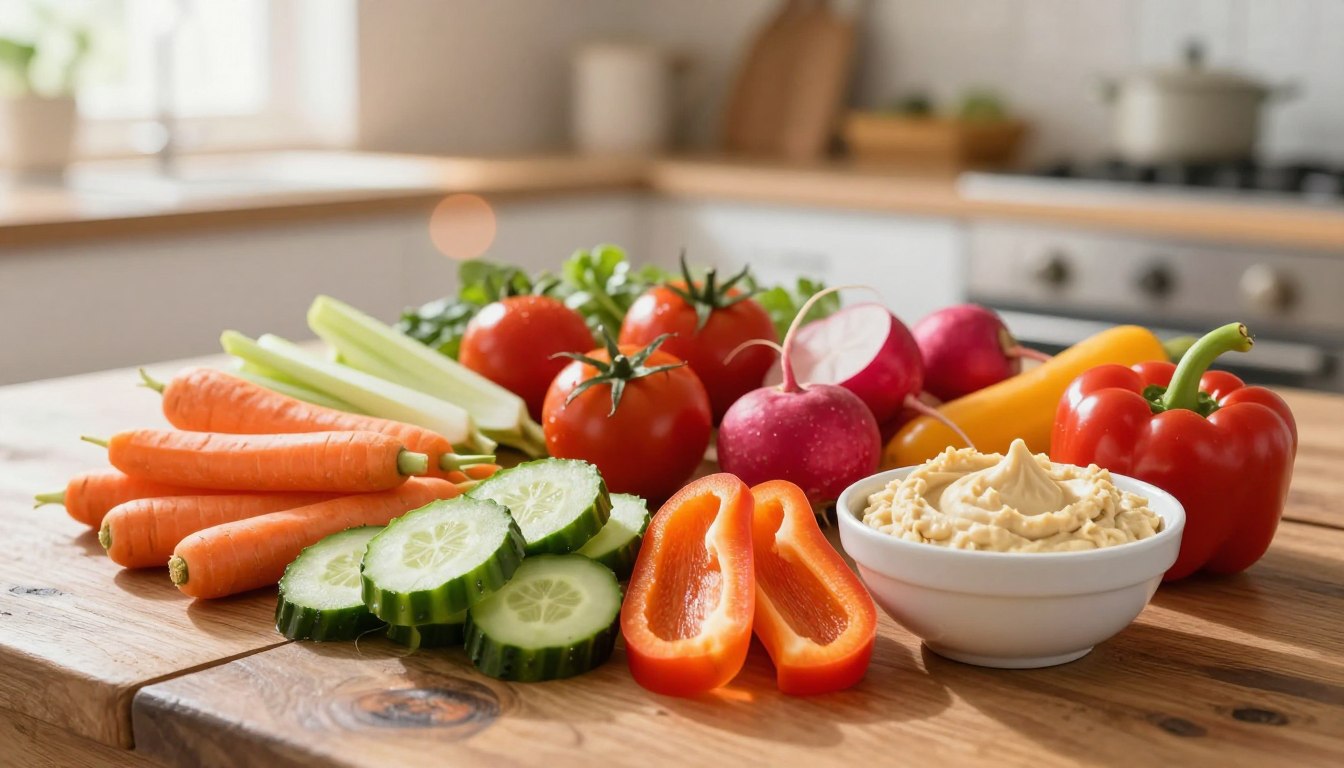
We always have fresh cut veggies ready for a quick snack. You'll find broccoli, cauliflower, celery, bell pepper, and carrots in clear containers. This makes it easy for everyone to grab a healthy snack. Pair these veggies with simple dips for a tasty treat. Hummus and guacamole are great choices. We add tomato, bell pepper, and red onion to the guacamole for extra flavor.
Frozen fruits and veggies are also great snacks. Kids love frozen grapes, peas, and bananas. Green smoothies with spinach or kale and banana are a quick way to get nutrients. Cauliflower rice is a low-carb option for quick meals. Just pulse cauliflower into rice, then sauté it with garlic and a bit of soy or lemon. It's a tasty way to add fiber to your meals.
Adding extra veggies to sauces is a clever trick. Roast carrots, sweet potatoes, or beets, then blend them into sauces. This makes your pasta and sandwiches healthier. Keep a list of quick recipes on your fridge. A veggie tray with hummus, cauliflower rice, and a smoothie can cover all your snack needs. These sides are packed with fiber and vitamins, helping our community eat better every day!
Creative Ways to Disguise or Blend Vegetables Into Meals
We're all about making meals healthier without the fuss. Try adding pureed veggies to sauces for a smooth texture. Roasting carrots, sweet potatoes, or squash and mixing them into tomato sauce is a great trick. Kids won't even notice they're eating extra veggies.
Mixing spinach, kale, or zucchini into meatloaf and burgers is a smart move. It keeps the meat moist and adds a pop of color. Stir in frozen or leftover veggies into rice, stews, and casseroles for a nutritional boost.
- Blend vegetables into sauces like marinara or pesto to enhance flavor and texture.
- Make oatmeal, muffins, or pancake batter healthier by adding pureed veggies for natural sweetness.
- Replace some cream in soups with pureed veggies for a lighter taste.
Simple swaps can make a big difference. Use pumpkin or mashed sweet potato in baked goods for extra fiber and flavor. Grate zucchini into pancakes for moisture and a hint of veggie goodness.
When you sneak veggies into meals, even picky eaters might not notice. These tips help expand everyone's taste buds and keep mealtime fun!
Eating Vegetables on the Go and While Dining Out
Life gets busy, but we keep it simple. Pack cut veggies like baby carrots, celery sticks, or grape tomatoes for quick snacks. Pair them with hummus or small cheese portions to stay full and happy. At convenience stores or grocery delis, choose ready-cut salads or steam-in-bag vegetables. Compare nutrition facts and pick low-sodium canned or frozen options when fresh is not available.
Dining out is no problem with a few easy swaps. Ask for side salads, steamed greens, or vegetable soups instead of fries. Request sauces and dressings on the side so we control the flavor and salt.
- Order bowls with half the plate vegetables.
- Ask for extra roasted or grilled vegetables on sandwiches and entrees.
- Choose grilled or roasted preparations over fried for better texture and taste.
Use these dining out veggie tips to keep meals colorful and satisfying. They help us stick to healthy restaurant choices without missing out on flavor.
When buying prepared meals, read labels and pick lower-sodium or fresh options. Small choices add up and make vegetables on the go feel easy and joyful!
How to Add More Vegetables to Your Diet When Shopping or Visiting Lauderhill Mall
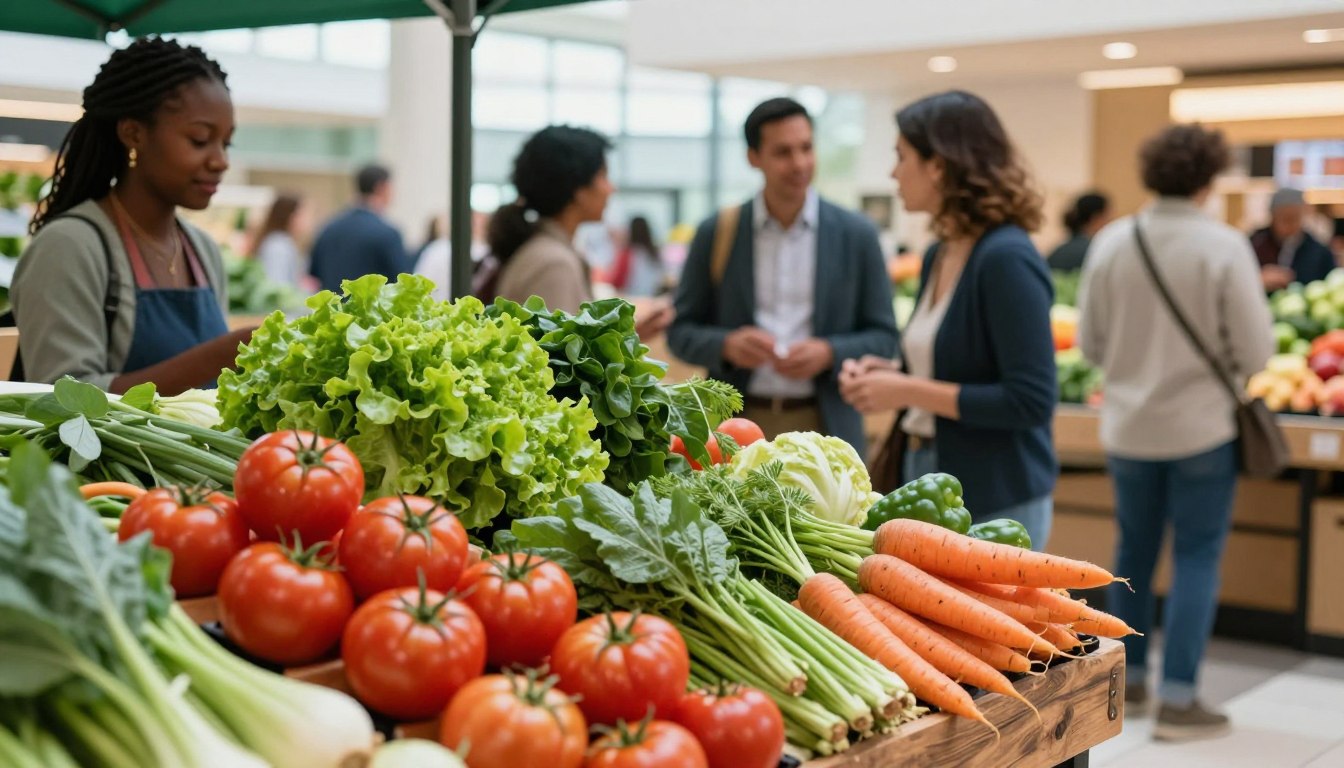
Using mall trips to boost our veggie intake is a great idea! At Lauderhill Mall, we check out grocery stores and small stands for fresh picks. We grab pre-cut veggies, salad mixes, and baby carrots for quick snacks.
For veggies when fresh isn't available, we look for frozen options without added sauces. Low-sodium canned veggies are also good. Rinse canned veggies to cut down on salt and use them in simple recipes for family meals.
- Bring a reusable tote and a short list to shop with purpose.
- Choose grab-and-go packs for busy days and mall outings.
- Ask vendors about harvest dates to get the freshest produce.
Shopping for veggies Lauderhill style means visiting local markets near the mall. Latin, Caribbean, and African grocers have plantains, callaloo, bok choy, and tropical squash. These items add flavor and variety to our meals!
When we need a meal out, we look for food court and nearby restaurants with veggie-forward dishes. Grilled veggies, salad bowls, and veggie wraps make it easy to add servings while enjoying time with family.
If you prefer planned shopping, make a simple veggie-first list before you go. This helps us buy produce near Lauderhill Mall with confidence and support small businesses at the same time.
Meal Prep Strategies to Ensure Consistent Vegetable Intake
Meal prep makes eating veggies easy! Wash and chop produce right after shopping. This way, you can prep veggies for weeknight meals in minutes. It saves time and encourages healthy choices for families.
Batch-cook mixed vegetables by roasting, steaming, or sautéing. Store them in clear containers and label with dates. Frozen broccoli, peas, or green beans are great pantry veggies that cook fast.
- Make big pots of vegetable soup or tomato sauce. Freeze single servings for easy lunches.
- Batch-make cauliflower rice or zoodles to swap in for grains. They reheat well and stretch meals.
- Form veggie burgers, stuffed peppers, or casseroles and portion for the week.
Snack prep keeps everyone satisfied. Pre-portion cut carrots, cucumbers, and bell peppers with a small dip. These grab-and-go bags are perfect with sandwiches or a picnic at Plantation Central Park.
Use simple vegetable meal prep tips: cook extra at dinner, mix leftovers into salads, and rotate containers so food stays fresh. Clear labeling cuts waste and helps everyone pick a healthy choice.
We cheer on small wins! Try one tip each week and watch how meal prep vegetables become an easy habit. Share your favorites with neighbors and local shops to build a healthy community vibe!
Tips to Build Lasting Habits and Increase Vegetable Variety
We make vegetables easy to see and grab! Store pre-cut peppers, carrots, and cucumber at eye level in the fridge. Keep a bowl of fruit and a jar of cherry tomatoes on the counter. Small changes like planning meals that fill half the plate with vegetables help us build vegetable habits that stick.
Try new colors and textures each week to increase veggie variety. Rotate dark leafy greens, orange vegetables like sweet potatoes, cruciferous choices such as broccoli, and legumes. Roasting or sautéing brings out sweet, nutty flavors—many people who dislike boiled veggies love them this way.
Involve the family when we shop and cook to make this fun and social. Visit local farmers at a market near Lauderhill Mall to support small businesses and explore seasonal produce. Use social cues—post successes with emojis and hashtags—to create momentum and community pride.
Keep changes gradual for long-term success. Add one extra serving daily, swap a grain for a vegetable alternative, or blend greens into a smoothie. These long-term veggie tips add up over time and help us increase veggie variety while strengthening community connections.