
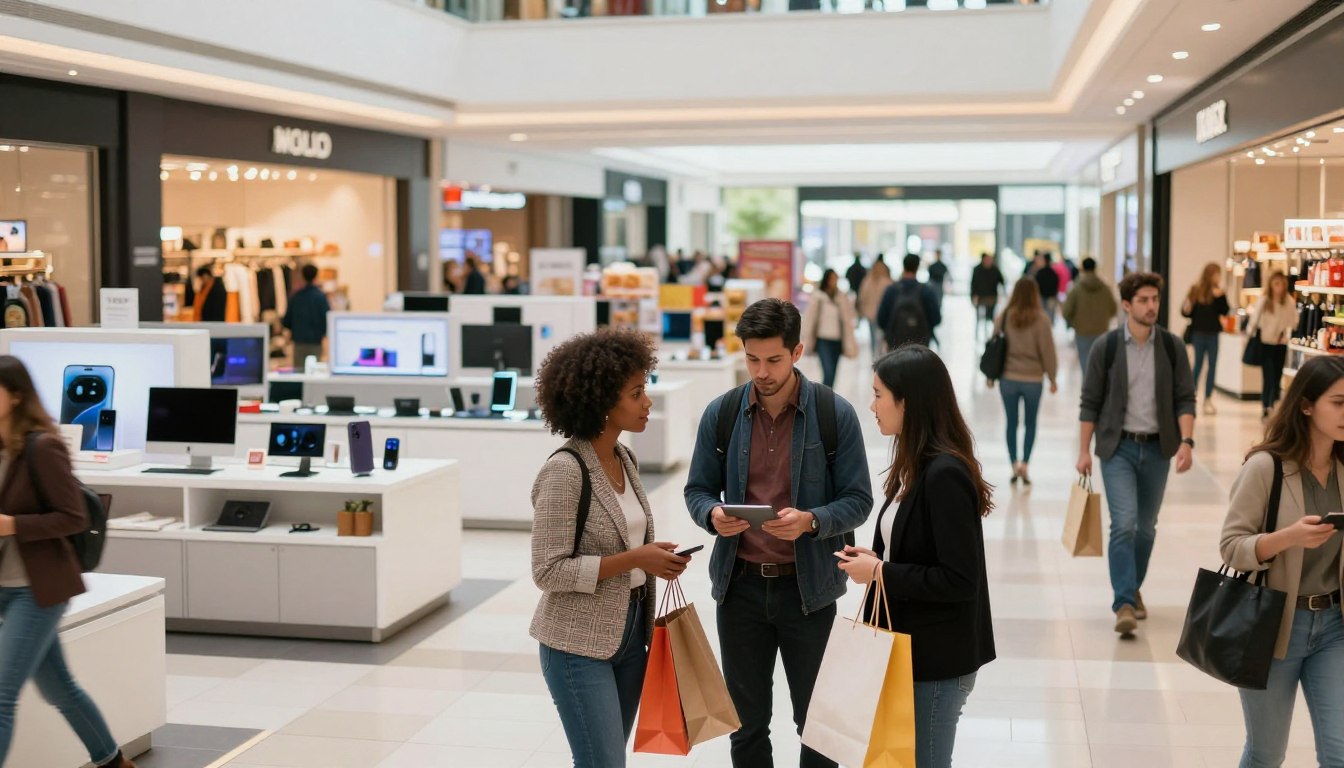
Shopping malls often face unfair claims. Some people say online stores replaced local shopping or that malls no longer fit modern life. These myths about shopping malls can affect how we spend time and money.
These shopping mall facts show a different story. In-store retail sales total about $4.2 trillion, or 90.7% of the market. Online-only retailers make up about 3.5% of U.S. retail sales, while physical retail remains central to daily life.
Mall shopping offers more than a quick purchase. Families can explore stores, friends can meet, and neighbors can support local businesses. Shoppers can see products, ask questions, and enjoy a shared community space.
This guide separates fact from fiction. It explores how technology, convenience, and changing habits shape physical retail.
Ready to experience local shopping for yourself? Visit Lauderhill Mall, discover welcoming stores, and support local businesses that help our community grow. Bring your family or meet a friend, and enjoy mall shopping in person!
Why the “Death of the Shopping Mall” Is a Myth
The death of the shopping mall myth grew from bold headlines about online shopping. Yet physical stores still lead much of the retail market. Families visit malls to compare products, ask questions, and spend time together.
Research cited by Stirling found that 78 percent of consumers prefer shopping in stores. These shoppers spend far more each month in physical stores than online. This choice keeps local malls active and useful.
We see this strength across the shopping center industry. Malls bring stores, restaurants, services, and community events together. Visitors support local businesses while enjoying a shared experience.
Online shopping has changed buying habits, but it has not erased brick and mortar retail. Malls offer personal service, quick product access, and places to connect with neighbors. This mix gives physical shopping a lasting role in American communities.
Myths About Shopping Malls: Separating Fact From Fiction
Mall shopping myths often start with a post, brief comment, or story passed by word of mouth. Claims spread quickly because simple ideas sound believable. Yet many shoppers value personal service, local stores, and time together.
Retail misinformation can make physical stores seem less useful than they really are. Stores let us try products, ask questions, and support nearby businesses. They also give families, friends, and neighbors a place to connect.
Current shopping mall trends show this wider role. Many malls now offer restaurants, events, services, and resale shops. These changes show how malls adapt to the way people shop today.
Misconceptions also affect independent sellers. Vintage, retro, thrift, and antique resellers face myths about quality, value, and authenticity. We can support these businesses by asking questions, learning each item's story, and shopping with an open mind.
Myth 1: Online Shopping Has Replaced Physical Malls
One common ecommerce myths claim is that online shopping replaced malls. Numbers show a different picture. Online-only retailers make up about 3.5% of all U.S. retail sales.
Research shows that 93.4% of all retail sales gain some or all revenue from a brick-and-mortar presence. Shoppers may browse a website, read reviews, or reserve an item before visiting a store. These steps link digital tools with real-world shopping.
When we compare online shopping versus malls, we see that people value choice. Online stores offer speed and easy browsing, while physical stores offer personal help and product trials. They also give shoppers time with family and friends, and many people use both options during one buying journey.
Myth 2: Empty Storefronts Mean Every Mall Is Failing
A vacant unit may catch your eye, but one space cannot show the whole story. Empty mall storefronts can result from a lease change, a store move, or plans for a new local business.
Physical stores still lead retail, with 90.7% of sales and $4.2 trillion in in-store retail sales. Malls are adapting through better services, digital tools, dining, and events that make visits more useful and enjoyable.
Mall revitalization can bring unused spaces back to life. Fitness centers, restaurants, family activities, health services, or community programs may replace older shops.
When visiting a mall, look beyond one vacant storefront. Notice local businesses, busy walkways, helpful services, and community connections. These signs reveal thriving shopping centers and support the people who make them special.
Myth 3: Shopping Malls Are Only Showrooms for Online Purchases
The showroom myth overlooks what makes a mall useful. More than 70% of consumers prefer physical stores over online shopping. Shoppers value seeing, touching, feeling, and trying products before choosing.
This sensory step matters to shoppers. One survey found that 67% of consumers wanted to experience products in person. A visit lets you test a sofa’s comfort, compare a lotion’s scent, or find the right fit before paying.
Stores offer families more than product displays. During one trip, you can buy groceries, furniture, health and beauty products, books, music, and videos. Many items can go home with you immediately, without a shipping wait.
The mall shopping experience shows this value. Local shopping brings neighbors together and supports nearby stores. You can ask questions, enjoy personal service, and buy with confidence.
Myth 3: Visiting a Mall Is Less Convenient Than Shopping Online
Online shopping can save time and money. A PayPal survey found that 43% of shoppers chose it for those reasons. Yet mall shopping convenience remains strong for busy families.
When we shop in person, we take our purchase home right away. There is no shipping wait or missed delivery. Stores such as Best Buy and Target make instant purchases simple for gifts, clothing, home items, and daily needs.
We can choose buy online pickup in store when a quick visit fits our plans. We order online, select a nearby location, and collect the item at a set time. This choice brings online ease and local service together.
In-store returns can save time, too. We can speak with a team member, exchange an item, or find another option during the same visit. Each family can choose the shopping style that fits its schedule and needs!
Myth 4: Showrooming and Webrooming Make Malls Irrelevant
Showrooming and webrooming shape shopping today. Showrooming means visiting a store to learn about a product before buying online. Webrooming begins with online research and ends with buying at a local store.
Reported retail data shows a close split. Showrooming had a 32% conversion rate, while webrooming reached 30%. This two-point difference shows that both paths matter in omnichannel shopping.
Many shoppers choose a local mall when they need an item right away. In fact, 53% of webrooming shoppers said immediate product access was their main reason for buying in person. Price matching can narrow the gap between online and local purchases.
These habits form a connected shopping experience. You can compare prices at home, visit a nearby store, ask questions, and take your purchase with you. This mix gives families more choice and keeps local businesses part of everyday shopping.
Myth 5: Modern Technology Only Helps E-Commerce
Technology does not serve online stores alone. Retail technology helps malls serve families with faster service, better choices, and personal support. A strong store visit can feel simple, useful, and welcoming.
One report found that 93.4% of retail sales received some benefit from a brick-and-mortar presence. This result shows how closely online and local stores work together. A website may spark interest, while a nearby mall brings products, services, and community connections to life.
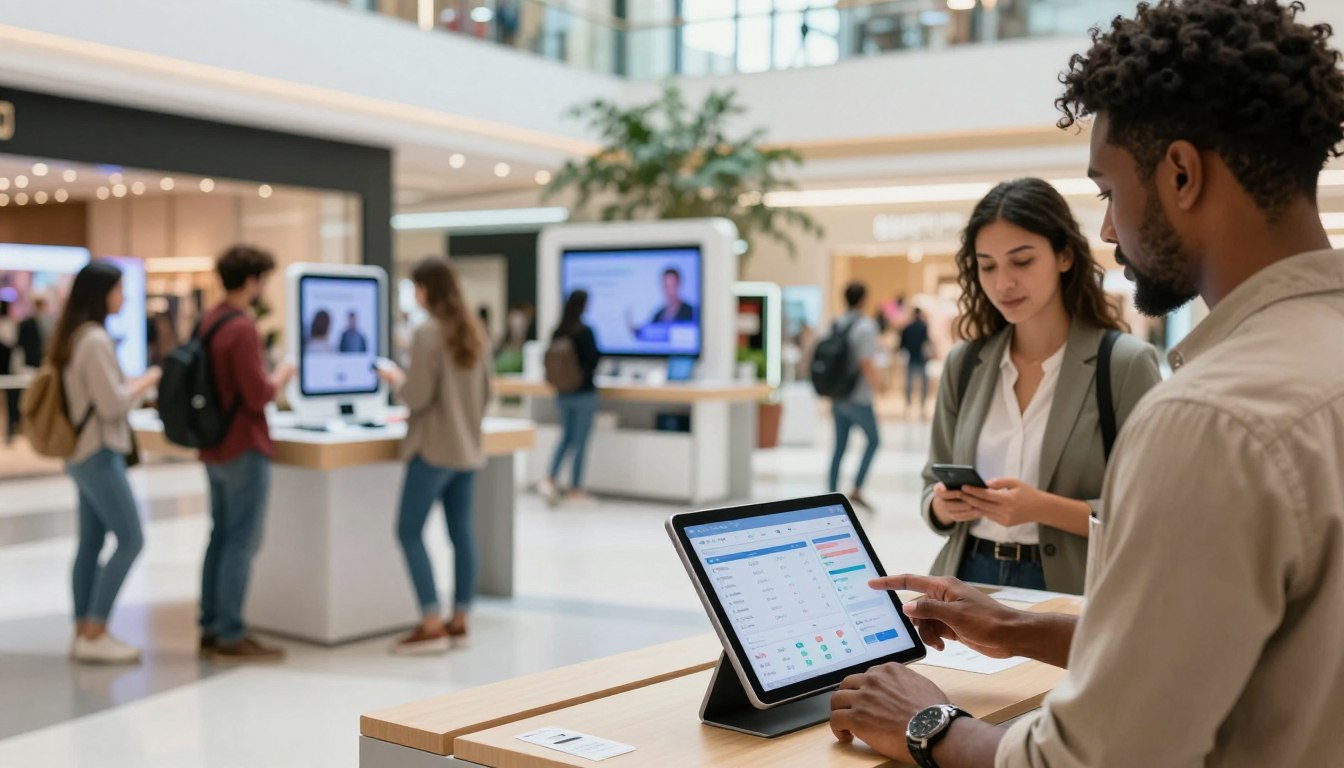
Mobile shopping grew by 2,000 % from 2010 to 2014. In 2014, mobile devices made up 52 % of visits to online retail websites. Tablets drove 82 % of those visits, while smartphones made up 18 %.
We see this connection through pickup services, store apps, digital coupons, and easy product searches. This approach supports omnichannel retail by giving you more ways to shop. You can browse at home, reserve an item, and collect it from a local store.
Mobile shopping can guide you toward a personal visit instead of replacing it. With helpful retail technology, malls can welcome more neighbors and support small businesses in the community.
Myth 6: Mall Shopping No Longer Offers a Meaningful Experience
A mall visit offers more than a quick purchase. You can see colors, feel fabrics, test products, and compare choices in person. These moments create a richer mall experience than shopping through a screen.
Research cited by the second source found that more than 70 % of consumers still prefer physical stores. People value personal service and making confident choices. They enjoy discovering products through sight, touch, and sound.
A family mall visit can turn shopping into shared time. Families meet for lunch, browse favorite stores, and enjoy events together. Friends and neighbors can connect in a relaxed, welcoming space.
Community shopping supports local businesses and independent resale stores. Shoppers can find unique goods while meeting people from different cultures. Each visit keeps the local retail scene active and welcoming.
Myth 7: Physical Shopping Is Automatically Less Secure
Many shoppers think online checkout is always safer than paying in a store. That belief overlooks a key fact: risks can affect both retail settings. Strong retail security requires careful systems, trained staff, and smart customer habits.
Major breaches have affected brick-and-mortar retailers. Target faced an attack that exposed customer information, while Home Depot dealt with stolen payment card data. These incidents did not come from online shopping, showing how identity theft myths can create false safety.
We can support shopping safety by checking receipts, protecting account details, and watching bank statements. In stores, chip-enabled cards and secure payment terminals add useful safeguards. Online, trusted websites, strong passwords, and two-step sign-in help protect personal data.
Families deserve safe choices wherever they shop! At Lauderhill Mall, we can stay alert, ask questions, and enjoy time with local businesses. Good retail security is a shared effort that helps every customer feel welcome.
Myth 8: Social Media and Low Prices Are the Main Reasons People Shop Online
Some social commerce myths claim social media and cheap prices drive every online purchase. The numbers show a fuller story. A Business News Daily report found 49 % of shoppers used social media daily, but only 12% shopped there.
The worldwide survey included more than 11,000 shoppers, and 59% followed brands to learn about products or services. Social platforms can spark interest, but they do not guide every shopping choice. Nearly 45% of shoppers still visited a brick-and-mortar store each week.
Online shopping motivations reach beyond social posts and discounts. A Simon-Kucher survey found shoppers valued product selection, free shipping, and easy online returns more than the lowest price. These benefits can save time and reduce stress for busy families.
Retail pricing still matters, but value means more than a low number. Shoppers weigh quality, delivery costs, return rules, and product access before buying. A local store can meet these needs with helpful service, quick pickup, and a chance to see items in person.
Visiting Lauderhill Mall: Experiencing Local Shopping in Person
At Lauderhill Mall, we can see, touch, and try products before buying. This hands-on experience helps us choose with confidence. We can take eligible purchases home right away and ask store teams about in-person returns.