
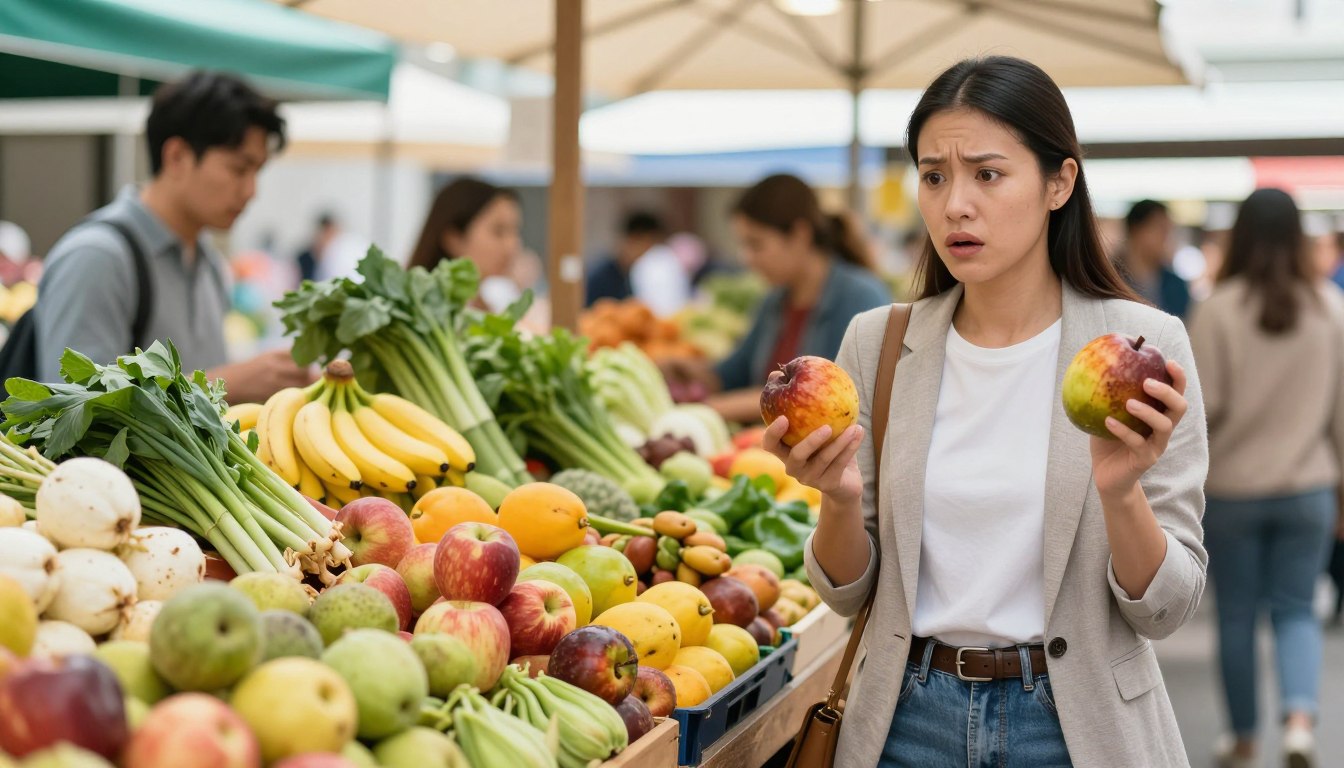
We all want fresh fruits and veggies that taste great and last all week. But small shopping habits often lead to wasted food, extra cost, and frustration. This problem is common — and easy to fix.
In this short guide, we share practical tips to help you avoid common mistakes. These include buying too much, choosing the wrong ripeness, or paying for pre-cut items that spoil fast. We'll show you simple steps to avoid waste and save money on grocery runs.
Shop with a plan. Check what's in season and pair your list with meals. Bring reusable bags and pick loose produce when possible. Learn which items belong in the fridge and which do better on the counter. Small changes like these cut waste and boost flavor.
We write as neighbors who care about family meals and local growers. We invite you to shop smarter, support small vendors, and enjoy better food at home.
Come visit Lauderhill Mall to find fresh produce, local vendors, and family-friendly shopping! Explore the market stalls and grocery options, chat with vendors, and pick seasonal favorites. Let’s shop together and support our community!
Why Shoppers Overspend and Bring Home Low-Quality Produce
At markets and big supermarkets, shoppers often spend too much on produce. They do this when they shop hungry or without a plan. Bright end-cap deals and eye-level displays make grocery impulse buys tempting.
Pre-cut fruits and pre-packaged trays add a hidden cost. They raise the bill and speed up spoilage. This turns a good purchase into low-quality produce and wasted money.
Sales apps and coupons help when used with a list. But they become traps without a meal plan. Bargain bins and manager’s specials can lead to buying too much of one item that then goes bad.
- Make a quick meal plan and list before you go.
- Eat a snack first to avoid grocery impulse buys.
- Compare unit prices to check true produce value.
- Avoid pre-cut or overpackaged items unless needed.
Farmers markets and local vendors often offer fresher options at fairer prices. We like comparing those stalls to chain stores. Chefs tell us that choosing produce at peak ripeness saves flavor and money.
Stick to a short list and watch unit prices. Use store apps only for items you already planned to buy. These small steps protect your budget and stop low-quality produce from filling the crisper!
Skipping a Shopping Plan and List That Aligns With Meals and Seasonality
Life gets busy, but a simple shopping plan saves time and money. Spend just five minutes each week to plan meals that use what's in season. Meals that match the season are not only tastier but also cheaper.
Begin with a short grocery list for your planned dinners. Check store apps for deals and list fresh items first. Shopping the perimeter first helps you remember fruits, vegetables, dairy, and proteins.
Be open to great seasonal deals. Chefs like Patrick Rebholz and Ethan Stowell often swap ingredients for the best taste. This way, you get better flavor and value without losing your meal plan.
- Create a weekly meal planning habit. It makes grocery trips calmer and faster.
- Write a clear grocery list. Fewer impulse buys means less clutter at home.
- Buy local at farmers markets or join a CSA to follow peak-season cycles.
Use peak-season abundance to preserve extras by freezing, roasting, or canning. This reduces food waste and gives you flavorful ingredients later.
Pack reusable bags and plan fridge space before shopping. A smart shopping plan and focused grocery list help you buy what you'll use. This cuts food waste in half!
Choosing Pre-Cut, Pre-Packaged, or Overly Packaged Produce
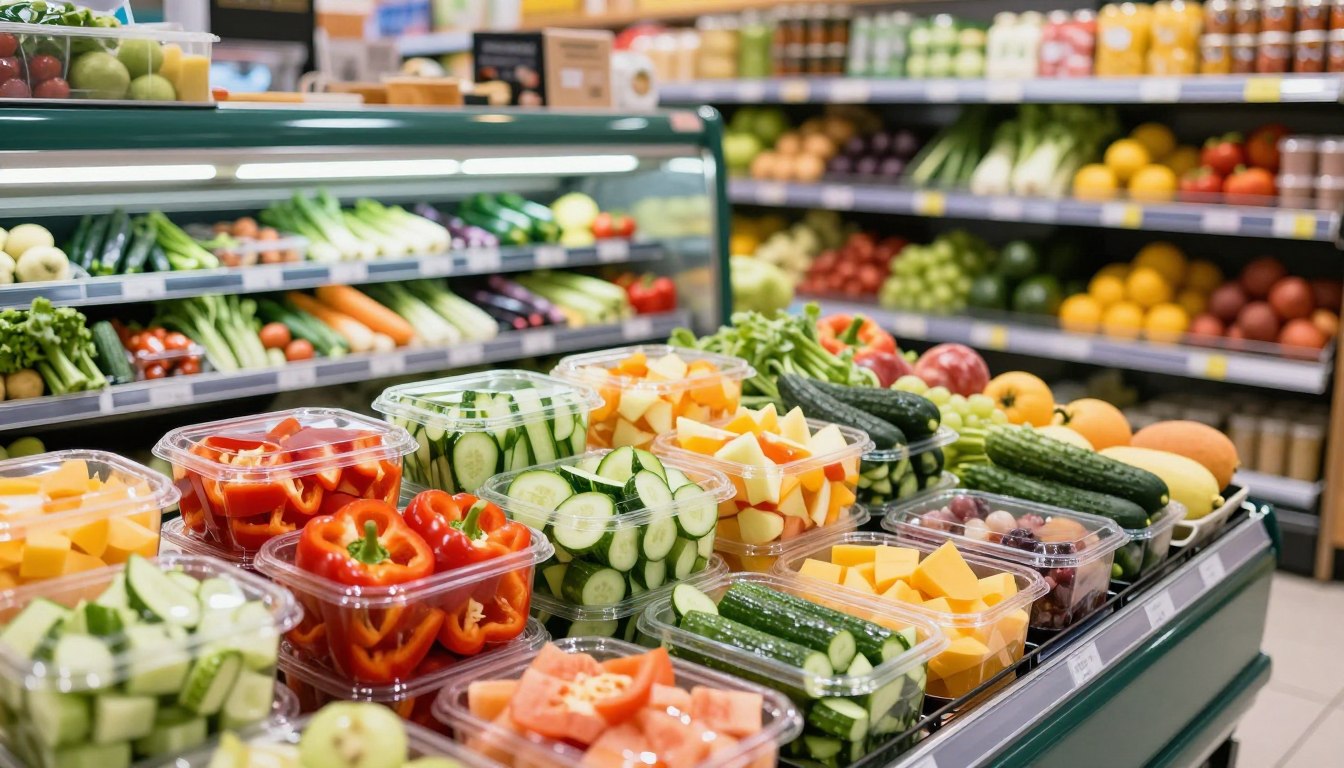
We all love convenience, and it's even more important on busy nights. Pre-cut produce and packaged items save us time. They can turn a hungry evening into a quick dinner.
But, this convenience comes with a cost. Pre-cut veggies can be three to four times more expensive than whole items. The cost of packaging, from plastic trays to shrink wrap, adds up.
Cut surfaces are a breeding ground for bacteria. Once fruits or veggies are sliced, they spoil faster. It's best to use pre-cut produce within 24 hours to keep it safe and fresh.
- Choose whole carrots or a bagged salad blend when you know you'll use it fast.
- Look for loose, unwrapped options to save money and pick the best quality.
- Check sell-by dates and avoid packages that trap moisture or show condensation.
We try to avoid preservatives when possible. These treatments may prevent browning but aren't good for everyday eating. Plastic wrap and trays can trap moisture and lead to mold.
Prepping at home is a cost-effective and fresh way to eat. Keep a small paring knife or a good cutting board in your kitchen. Cutting veggies in bulk on Sunday makes cooking during the week faster and easier.
- Plan prep times into the week so convenience doesn’t cost extra.
- If you must buy pre-cut, buy only what you’ll use within a day.
- Choose minimally processed items over heavily packaged mixes.
We support small changes that help families save and eat well!
Buying Bargains Without a Plan for Using or Preserving Excess Produce
We all love a good deal! Manager’s specials and bulk bins are very tempting. But, bargain produce can quickly turn into waste if we don't plan ahead.
Before filling our carts, we should ask two simple questions. Do we have meals to use this produce, and can we preserve it quickly if we can't eat it soon? If not, it's best to skip the sale.
- Quick fixes: wash, chop, and blanch to freeze vegetables for smoothies, soups, or stir-fries.
- Roast extras into sauces or freeze in meal-size portions for weeknight dinners.
- Turn bruised fruit into salsas, jams, or compotes instead of tossing them.
- Try basic canning for tomatoes or pickles when you have a large haul.
Keep a running inventory of what's in your freezer and pantry. This helps us avoid buying too much and makes it easy to share with neighbors.
Small habits can make a big difference. Prep or freeze extras within a day to keep flavors and textures fresh. These steps help us reduce waste and make every dollar count on bargain produce.
Improper Storage at Home That Shortens Shelf Life
We all want fresh food and hate to waste it. How we store food at home affects its taste, texture, and how long it lasts. Simple habits in storing food can greatly impact our meals and savings.
Start with the basics. Items like potatoes, sweet potatoes, onions, garlic, and winter squash do best in a cool, dark place. Keep potatoes and onions separate and away from sunlight. Bananas should stay on the counter; the fridge can darken their skin but not the inside.
Many fruits and leafy greens need the fridge. Store apples by themselves because they release ethylene gas. Clean, dry leafy greens should be stored in containers that keep moisture in. Mushrooms do better in a paper bag.
Some veggies fall in between. Peppers, tomatoes, and eggplant like cooler temperatures. Unripe tomatoes should ripen at room temperature; cold will stop this process. If you must chill these, use them within three to four days.
Use fruit baskets wisely. Fruit left out is best eaten within two days for the best taste and texture. For berries, remove them from clamshells and spread them out to dry before refrigerating. Only wash raspberries when you're ready to eat them.
- Label and date stored items so nothing gets forgotten.
- Use airtight containers for many items to extend produce shelf life.
- Keep ethylene producers separate from sensitive produce.
- Revive limp greens in ice water to perk them up.
- Create a “use-first” shelf in the fridge to avoid waste.
- Freeze or prep what you won’t eat soon to save money and time.
Learn your kitchen's hotspots because ambient temps change with seasons. With smart fridge storage and clear habits, we can extend produce shelf life, cut waste, and enjoy fresher meals together!
Not Washing or Washing at the Wrong Time
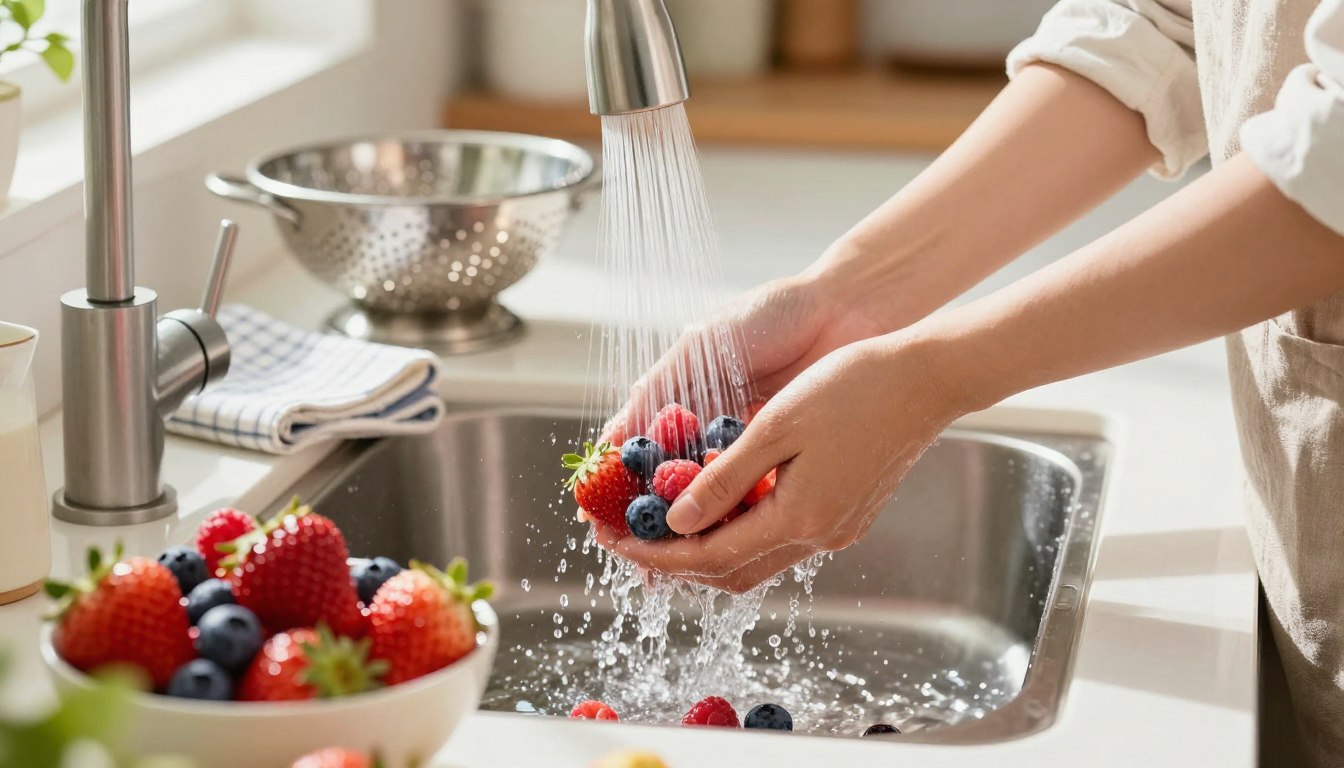
We all want our food to be fresh and safe. So, wash your produce when it's dirty before you store it. For tough veggies like carrots and potatoes, just scrub and dry them before you put them away.
But, berries are different. Raspberries, strawberries, and blackberries soak up water and can get moldy quickly. Here's a tip: wash them just before you eat them, and gently pat them dry.
Blueberries and blackberries are a bit more durable. Take them out of their containers, rinse them gently, and lay them out to dry on paper towels or parchment. This trick helps them last longer and keeps your snacks fresh.
Using a vinegar wash is a great way to clean without losing flavor. Mix equal parts white vinegar and water in a spray bottle. Spray, rinse, and dry them completely to stop mold.
- Only wash produce you'll eat soon and leave delicate items unwashed until you serve them.
- Brush tough veggies, rinse sturdy produce, and dry them well before storing.
- Keep a vinegar wash spray on hand for quick cleaning after you shop.
We love easy ways to reduce waste and save time. Follow these tips to know when to wash fruit and how to care for berries. Your family will enjoy every bite.
Assuming the Cheapest Option Is the Best Value
We all love a good deal, but the cheapest option isn't always the best. Cheap produce might be near spoilage, taste bland, or have fewer nutrients. It's important to look beyond the price and consider the fruit or veg's life left.
Check the unit price on shelf tags. Do the math quickly on your phone or in your head. This way, you can compare the cost per ounce or item. Sometimes, a bigger package isn't the better deal when you look at the unit price.
- Inspect firmness, color, and spots before you buy.
- Plan to use blemished or soft items within 1–2 days.
- Buy seasonal or local to get better produce quality vs price.
Manager’s specials can be good for certain meals, but chefs say they're often near expiration. It's wise to buy only what you can use to avoid waste and save money.
Farmers markets and direct-from-grower stalls often offer great value. Buying in bulk from a trusted source can lower the unit price and keep things fresh. This way, we can choose quality produce while stretching our dollars.
Overlooking Ripeness Patterns and Produce That Continues to Ripen After Purchase
We all love fresh fruit! Knowing which fruits will ripen after you buy them is key. Items like bananas, peaches, plums, tomatoes, avocados, and cantaloupe are great examples. They ripen after they're picked.
So, if you're buying these fruits, pick them a bit underripe. This way, they'll be perfect for eating later in the week.
Chefs recommend choosing the ripeness level you prefer. For a weekend snack, pick slightly green fruit. Let it ripen at home with ethylene gas.
Store unripe tomatoes at room temperature. This lets them develop color and flavor. Once ripe, move them to the fridge to slow down changes.
Not all fruits are the same. Strawberries, pineapples, grapes, and cherries don't ripen after they're picked. They only get worse. So, it's important to pick ripe ones for these fruits.
- Speed ripening: place ethylene producers together in a paper bag. A single apple or banana can speed ripening for nearby fruit.
- Slow ripening: separate ethylene-sensitive items from strong emitters to keep them fresh longer.
- Fridge tips: refrigerated bananas may brown on the skin but stay fine inside. Avoid chilling unripe tomatoes or they will stall.
Plan when you'll buy produce based on when you'll use it. If you can't eat it right away, freeze, jam, or cook it. This way, we waste less and enjoy fruit at its best.