

Holiday shopping creates big problems: too much stuff, hasty returns, and people looking for deals later. Traditional stores find it hard to sell off-season items and get back last-minute shoppers.
Resale marketplaces fill this gap. They turn returns and extra items into new listings. This way, they meet the demand for post-holiday sales and make money from it. Even big names and everyday brands saw big gains in late 2025, showing the power of holiday sales in e-commerce.
Across the industry, big changes are happening. Platforms with high-end items saw huge growth month to month. Major resale sites hit record revenues in a quarter. This shows resale trends are here to stay, not just a holiday thing.
Want to see this trend for yourself? Check out Lauderhill Mall. You can find secondhand deals and enjoy post-holiday discounts. Lauderhill Mall lets you compare new and used items and feel the ecommerce wave.
Holiday Shopping Spillover and the Surge in Resale Marketplaces
Luxury resale platforms see a clear pattern each season. Traffic spikes on Black Friday and Cyber Monday, then stays elevated through December. Bezel's CEO Quaid Walker noted that Cyber Monday resale traffic often drives the first big wave, while early January picks up again as bonus-season sellers return to the market.
Retail returns and gifting cycles create a steady stream of inventory. Shoppers buy high-value items as gifts, then return or resell them, which fuels a holiday spillover resale effect. This flow lets marketplaces keep listings fresh and buyers engaged after the peak shopping days.
Platforms treat the season as a key acquisition window. Bezel and other firms use buying guides, paid ads, curated sale sections, and auction features to move inventory quickly. These tactics reflect broader Black Friday resale trends that reward timely promotions and clear merchandising.
Data from firms such as Reklaim and Bezel show the holiday season is the best time to add users. Early launches timed before the holidays catch demand, while sustained sale activity creates a post-holiday resale surge that carries value into January.
- Acquisition plays: targeted ads, buying guides, holiday landing pages.
- Supply drivers: returns, gifted items, and post-holiday resellers.
- Traffic signals: measurable lifts on Black Friday and Cyber Monday resale trends.
For resale marketplaces, the combined effect of seasonal buying and return cycles means more listings, more buyers, and a longer selling window than traditional retail. Smart merchandising during the holidays turns short-term interest into ongoing activity that extends well past December.
Why Consumers Turn to Resale for Value and Variety
People choose resale for many reasons. A survey found 46% buy secondhand to save money. Another 25% look for better value, and 16% want to buy high-end brands. Price is important, but so is finding what you can't get new. Collectors and watch lovers find rare items on secondary markets. Listings and photos ensure quality when buying secondhand.
Platforms focus on items that look new. Many look for “unworn” or refreshed items for gifts. This makes resale a good choice for any occasion. Tariffs and high retail prices also push people to secondhand. A poll found 59% might choose secondhand if new clothes get too expensive. Millennials are leading this trend, with 69% more likely to buy used.
- Wide selection: variety on resale marketplaces covers books, media, clothing, accessories, home decor, watches, and handbags.
- One-stop shopping: buyers can check multiple gift lists and price points in one place.
- Luxury access: platforms for designer goods make luxury pre-owned bargains easier to find.
The appeal of savings, variety, and finding rare items makes resale attractive. For many, the chance to save while finding luxury bargains makes resale a top choice all year.
Resale Marketplaces and Changing Consumer Attitudes Toward Used Goods
The RealReal's sales data show people are okay with items that show wear. Listings for fair-condition items have gone up a lot. Even bags with signs of wear are in demand. This shows that people are starting to see used items as valuable, not just for basics but also for luxury.
Big names like eBay and fashion brands are showing off pre-owned looks. Seeing these items at the Met Gala and New York Fashion Week helps change how we see them. It makes us think of used items as fashionable choices, not just as a last resort.
Some stores focus on quality checks and personal service. This makes customers feel confident about what they buy. It's like getting luxury service but with secondhand items. Experts say this shift is like what happened in the car market. Pre-owned cars became common and not seen as a risk. This shows that buying used is becoming a normal choice, not just a trend.
There are real benefits to buying used. You can save money, find unique items, and help the environment. Each positive experience helps break down old beliefs and supports the shift towards buying secondhand.
- Visible wear acceptance boosts resale listings and sales.
- Celebrity and editorial placement drive stigma reduction resale.
- Concierge services accelerate pre-owned normalization.
- Auto-market parallels illustrate the resale cultural shift.
How Luxury Resale Platforms Scale During the Holidays
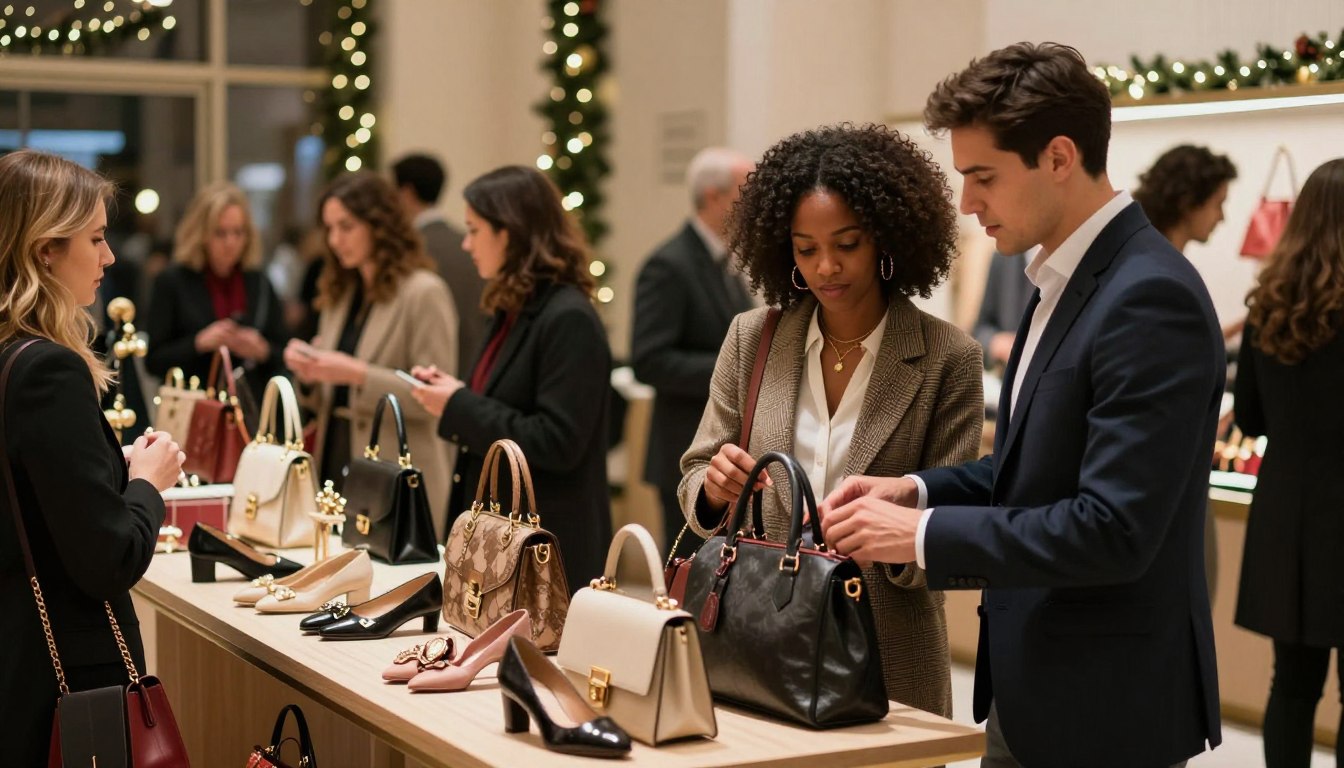
Luxury resale firms quickly add more items before the holidays. Bezel shows how to grow listings to near $1 billion without losing quality. They get more items by working with consignors, buying in bulk, and using wholesale deals.
Retail partnerships are key for holiday inventory management. Reklaim grew by teaming up with Selfridges and Nordstrom. They also launched a D2C marketplace in April 2025 and put stock in airports for last-minute shoppers. These steps create places for people to see and buy items.
Improving customer service boosts sales during busy times. Services like concierge chat and white-glove pick-up help buyers find what they want. Clear displays, professional photos, and getting items ready for sale keep them appealing.
Special holiday tactics help move items without lowering brand value. Platforms create holiday sale sections and run auctions to create a sense of urgency. They also use ads and buying guides to reach shoppers looking for gifts.
Working with other channels and logistics helps with fast delivery. Many marketplaces keep control over shipping and authentication for third-party items. This helps them grow without sacrificing quality.
Being creative with promotions replaces deep discounts. Platforms offer bundles, gift packaging, and loyalty rewards to make items seem more special. These tactics help keep the luxury feel and encourage repeat business during the holiday rush.
- Inventory expansion via consignors and wholesale
- Partnerships with department stores and travel hubs
- Concierge and authentication to boost buyer confidence
- Curated holiday sections and auction formats
Resale Marketplaces and Omnichannel Expansion
Resale platforms are now in real stores, not just apps and websites. Brands like Reklaim team up with malls and boutiques. This lets shoppers try out luxury items in person.
These stores are key for big-ticket items. Staff there can answer questions and check items right away. This makes shoppers feel more sure about their purchases.
- Airport resale shops offer quick, trusted buys for travelers.
- Retail partners use online tools to find items for in-store shoppers. This matches online and local demand.
- Big names like Amazon help by listing resale items on Amazon Luxury Shops. This attracts new customers.
Online catalogs and in-store visits work well together. This approach makes it simple to look online, reserve in-store, and get items checked at pickup.
Expanding into retail helps reach more people. When online and offline work together, more items are available. This meets shoppers where they already go.
Market Forces Boosting Resale: Inflation, Tariffs, and Macro Trends
In 2025, rising prices made many turn to secondhand items. This trend was seen in search and sales data. People were looking for deals to save money and fulfill their wish lists. Tariffs had a big impact on the secondhand market. Experts at ThredUp thought tariffs would make new clothes more expensive. This would push people to buy used items instead.
ThredUp's Q3 results showed a 34% year-over-year revenue increase to $82.2 million. eBay's quarterly revenue jumped 9% to $2.8 billion. The RealReal saw a 17% year-over-year gain to $174 million. These numbers show the growing trend in the resale market. Retailers and brands pay close attention to resale trends. They learn what consumers really want from resale data. This helps them understand what styles and categories are in demand.
Experts are watching how resale demand changes after tariffs are lifted. When new goods become more expensive, resale becomes a quicker option for many. Sellers and marketplaces that adjust their offerings and prices well will do better.
- Inflation nudges consumers to buy preowned to meet budgets.
- Tariffs and secondhand dynamics change price comparisons.
- Company earnings reveal broad acceptance across marketplaces.
Brands that listen to these signals can adjust their products and marketing. This feedback loop makes resale a key part of planning and measuring success in the future.
Brand Strategies: Why Corporations Are Embracing Recommerce
Today, resale is seen as a main part of a company's strategy, not just a green side project. Leaders from the CEO to the CMO are now deeply involved in planning for resale. This shows a big change in how they think and budget. Many companies have set specific goals for their used-product sales. VF Corporation, for example, named Barruch Ben-Zekry as the head of re-commerce. His job is to grow resale and make it a key part of their retail plans.
Brands are now selling more than just clothes. Leatherman lets buyers take over warranties for their products. Melin even started Melin Re: Cap for hats. These moves show resale can work for different types of products. Archive resale partnerships help brands keep control over the customer experience. They also keep the value within their own systems. This way, brands can keep their products' identity and build stronger loyalty through certified resale.
Companies are getting into resale to meet customers where they are, make money from returned items, and make products last longer. This strategy can increase sales and protect the brand's value if done right. By adopting resale strategies, companies can track secondhand sales, cut down on waste, and find new ways to make money. Teams that look ahead see resale as a way to grow, tied to marketing, operations, and keeping customers.
- Set executive ownership for resale initiatives.
- Link resale targets to financial and sustainability goals.
- Use Archive resale partnerships to maintain brand control.
- Adapt programs for non-fashion products to capture wider demand.
Resale Marketplaces and Products that Spike After Holidays
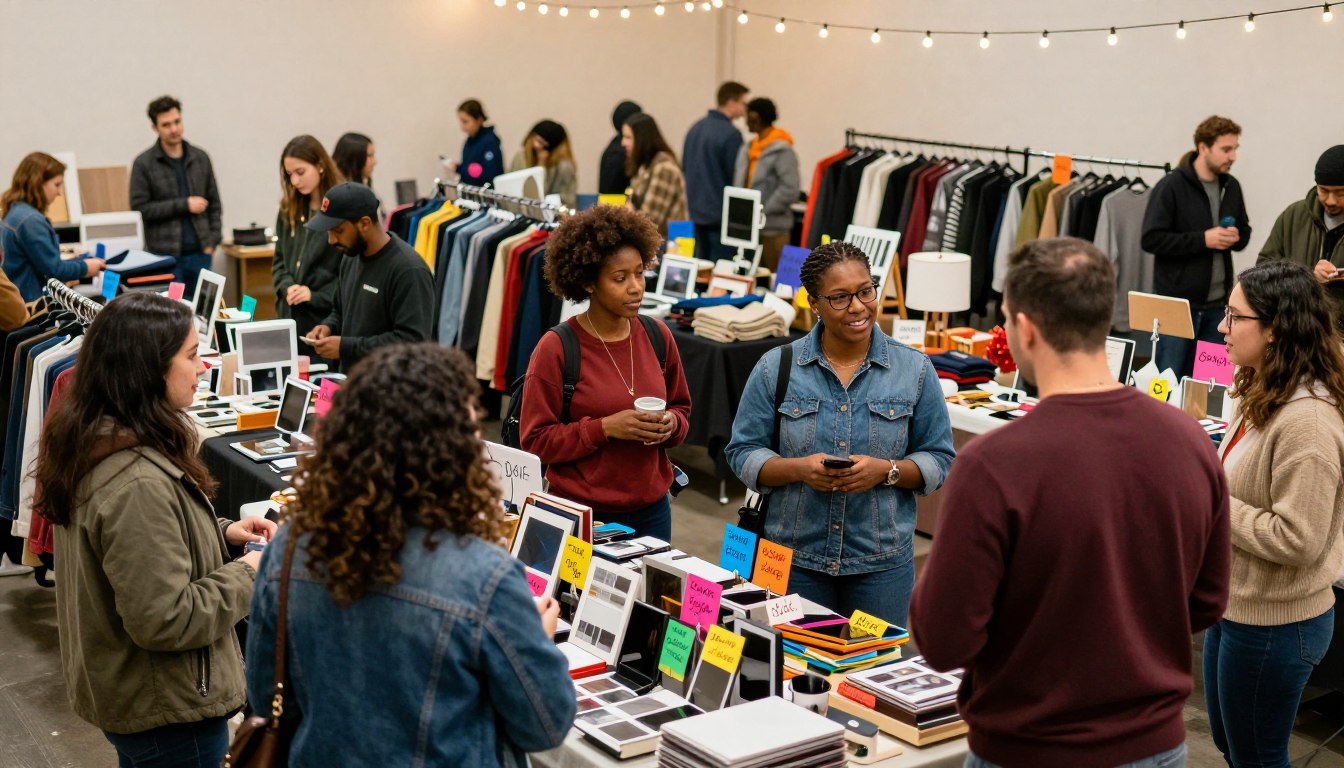
After the holidays, resale marketplaces see big changes. Books, clothing, accessories, and home decor are in high demand. These items are often returned or resold by gift recipients.
Holiday returns add more items to the market. The RealReal found that buyers want bags with just a little wear. This means more items are available for those looking for deals or high-end finds. Luxury items also see a surge in demand. Watches, like Rolex and Omega, are in high demand. This is because they are often given as gifts and then quickly resold.
Designer handbags also see a spike in interest. Brands like Louis Vuitton and Chanel are popular. This is because they are rare and highly sought after, keeping prices stable. Marketplaces adjust their offerings to meet customer needs. They list both affordable and high-end items. This way, buyers can find something that fits their budget or splurge on a luxury item.
- Top general categories: books, clothing, home decor
- Accessory focus: handbag resale trends bring steady traffic
- Luxury niche: watches resale demand spikes for scarce models
Customer Acquisition Tactics Resale Platforms Use During the Holiday Season
Paid ads and buying guides bring in serious shoppers during the holidays. Sites like Bezel use targeted ads and guides to find the perfect gifts. Amazon Luxury Shops also helps premium items stand out. Resale sites focus on unique sales over big discounts. They use special sections, timed auctions, and limited events. This keeps the value of designer items high and encourages buying.
Concierge services help serious buyers find what they need. Bezel and Reklaim offer chat services and item requests. This boosts sales and keeps customers coming back. Partnerships and media collaborations help reach more people. They add trust and authenticity to holiday shopping. This makes resale promotions more effective across different platforms.
Luxury resale ads tell stories and show off product details. They highlight the item's history, condition, and rarity. This justifies the price and appeals to those looking for value and prestige.
- Paid search and social campaigns timed to gift-buying spikes
- Curated landing pages and auction windows for limited-supply pieces
- Concierge sourcing and personal shopping to capture high-intent demand
- Media partnerships and cross-listings to add credibility
Smart platforms combine these tactics with effective holiday promotions. This turns holiday shoppers into loyal customers.
Local Relevance: Shopping Resale and Visiting Lauderhill Mall
South Florida resale shopping gets a boost when people visit Lauderhill Mall after the holidays. More people go there to use gift cards, return items, and find deals on new and used goods. Local resale marketplaces make it easy to find what you're looking for before you go. Use online catalogs and retailer portals to find a specific item. Then, plan a trip to the mall to check its condition, fit, and finish in person.
Brick-and-mortar consignment boutiques and mall stores let you compare items side by side. This way, you can avoid surprises and feel sure about your purchases. Concierge services at stores or third-party partners make the search easier. They can find items from local marketplaces and hold them for you to pick up at Lauderhill Mall.
Visitors and locals can have a smooth experience by combining online research with a mall visit. Those who like to touch and feel items will appreciate the options that make shopping in South Florida convenient and reassuring.