
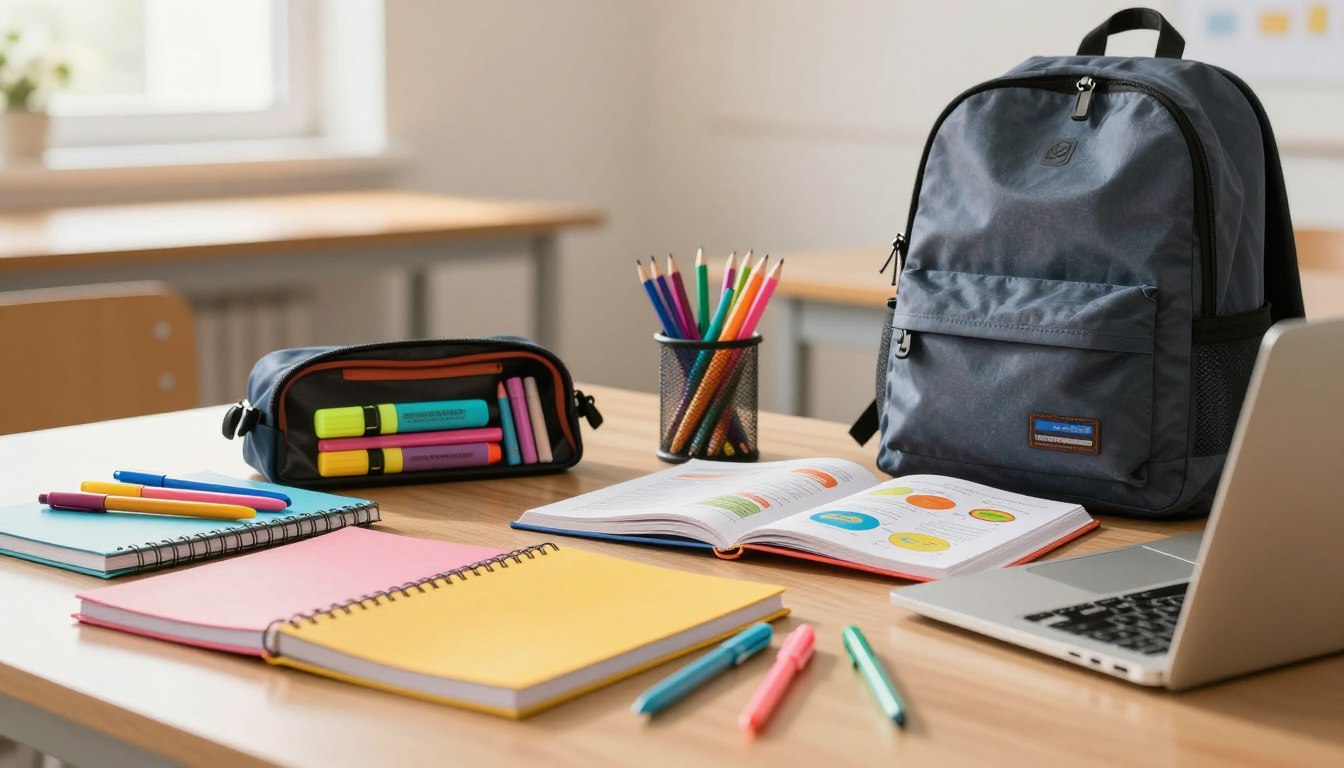
The back-to-school season can be overwhelming. Prices go up, lists get longer, and your budget stretches. Parents plan to spend an average of $630.36 per child, and families spent about $40 billion last year.
We're here to help. This guide shows you what school supplies are worth buying and what you can skip. We focus on essentials that offer the best value. This way, you save money and get quality items.
Think of this as a smart list for families. We'll tell you what to buy and what to skip. You'll be ready and confident for the school year!
Want to shop local? Visit Lauderhill Mall for deals on shoes, backpacks, uniforms, and more. You'll find savings, support small businesses, and enjoy community promotions. See you at Lauderhill Mall—let's make back-to-school simple and joyful!
Why Prioritizing School Supplies Matters for Your Budget
The numbers can be scary. The National Retail Federation (NRF) says we spend a lot on school supplies. Statista shows how much families spend on average. It's important to shop smart to avoid spending too much.
Begin by checking what you already have at home. Teachers and the NRF agree that using what you already have is a good idea. This way, you save money and don't miss out on important items.
Think about what your child really needs. For older kids, a notebook, pen, pencil, and folder are enough. In elementary school, sharing supplies means you don't have to buy as much. This helps everyone and saves money.
Some things are more important than school supplies. Things like sleep, food, and a quiet place to study are key. Libraries and community centers offer free internet, printers, and safe places to study. Using these resources can help you save money.
Choosing wisely doesn't mean you're settling for less. It means picking what's truly important and spending on it. Shopping smart helps support local businesses and reduces waste. It keeps our community strong and our spending in check.
School Supplies Worth Buying
We aim for a list that's both practical and favored by teachers. Start with basics like notebooks, pens, and pencils. Also, folders, tissues, and hand sanitizer are must-haves. These items meet daily needs and prevent last-minute shopping trips.
High school teachers suggest keeping things simple for the first day. A small kit with printer paper, notebooks, and a good backpack is all you need. These essentials help make the first week smoother.
In elementary classrooms, shared bins for tools are common. The method of using class bins for pencils, crayons, and more is effective. It helps everyone and keeps supplies organized.
- Ticonderoga No.2 pencils for durability and smooth writing.
- Sturdy backpacks sized to the child’s frame; avoid oversized rolling bags for little kids.
- Reusable water bottles like Hydro Flask to cut waste and keep kids hydrated.
- Electric pencil sharpeners for busy homeschool or multi-child households.
Don't overlook paper and notebooks. A large pack of printer paper from Costco is a good buy if you print at home. Also, have a variety of notebooks for different projects. These supplies will last all year.
When it comes to art and projects, choose wisely. Items like glue sticks, safety scissors, and cardstock are affordable and useful. Sheet protectors can even be used as dry-erase boards for practice.
Shopping with a community mindset is beneficial. Small donations from local stores can make a big impact. Teachers appreciate these contributions and often list them as recommended supplies.
Must-Have Tech and Digital Tools That Replace Paper
We think simple tech is key for less messy homework. A free Google account with Google Docs for school makes paper folders a thing of the past. Students can work on projects together without losing pages. Teachers can give feedback right away and see how students are doing.
Chromebooks are a smart choice for students. They are light, start quickly, and are cheaper during back-to-school sales. You can even find refurbished ones for under $100, perfect for families saving money.
Digital tools go beyond laptops. A basic printer and reliable internet are essential for research and printing. If you can't afford these at home, libraries and community centers can help. Check with your school district for programs that lend devices and hotspots.
- Keep spare cords, mice, and chargers in a small box. These extras save frantic runs before class!
- Consider simple tablets for reading and practice apps if a full laptop isn't needed.
- Use cloud backup services so files stay safe if hardware fails.
We aim for tech to make school easier, not harder. Google Docs and shared drives cut down on photocopies. Digital tools also make group work better, whether at home or in class.
Local resources are important. Libraries, school programs, and sales at Lauderhill Mall can help find affordable tech. We suggest using community offers to get the most value and keep kids connected!
Organizational Gear That Actually Helps Learning
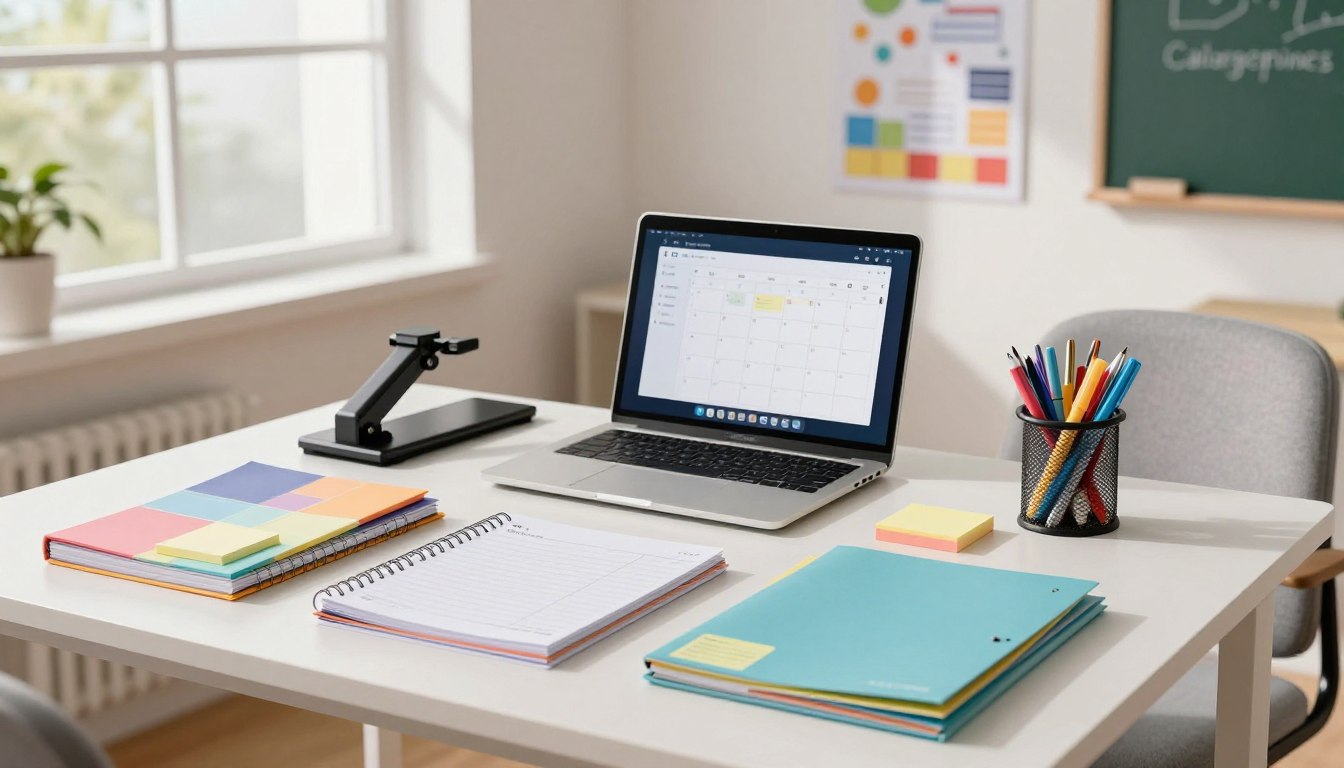
We love gear that makes school life calmer and clearer! Start with simple student organizers and binders and planners for older kids. A slim 1/2" or 1" binder with subject dividers beats one giant binder. It keeps work light and easy to carry!
For homeschooling or mixed-use rooms, a three-tiered cart becomes a command center. Use one shelf for a laptop, one for current projects, and one for personal supplies. The cart moves with you for reading circles, kitchen lessons, or backyard science.
Small plastic snap-lid boxes and scrapbooking cases tame tiny supplies. They make travel lessons simple and keep pencils, glue sticks, and markers sorted. Clipboards are great for park or car-based work. Sheet protectors turn worksheets into reusable dry-erase pages.
Timers and labels help build independence. A visual timer teaches focus during tasks. A label maker makes spaces predictable and calming. These small choices boost confidence and reduce morning scramble.
- Choose backpacks sized for the child to help with school supply organization.
- Try several student organizers—daily planners, pocket calendars, or digital reminders—for busy middle and high school schedules.
- Consider combination locks for older kids who use lockers.
We find that thoughtful tools cut frustration and invite learning. Set up a spot for binders and planners, add a three-tiered cart if you need mobility, and use clear boxes for supplies. Small changes add up to smoother days and happier students!
Art and Project Supplies That Are Worth Splurging On
We love supplies that make students' work better and waste less. Start with cardstock, quality crayons, and extra colored pencils. These last longer and save on replacements. Bulk glue sticks and washable markers also help projects flow without needing to go to the store often.
Small splurges can save a lot of time and trouble. A heavy-duty electric pencil sharpener and a low-heat glue gun make maker-space work smooth and safe. A strong paper cutter is worth it for cutting charts, posters, and collage pieces all year.
Choose reusable storage for craft supplies. Plastic snap-lid craft boxes and 12x12 storage for scrapbooks help organize stickers, paper, and small tools. An art cart keeps materials in one place and prevents duplicates.
Choose the best project supplies with classroom use in mind. Opt for washable markers by Crayola and reliable scissors in class packs. Buying in bulk or splitting kits with friends can lower costs while keeping quality art materials available.
- Cardstock for posters and templates
- Quality crayons and colored pencils in extra sets
- Washable markers and bulk glue sticks
- Electric pencil sharpener and low-heat glue gun
- Snap-lid craft boxes and 12x12 scrapbook storage
Save money with simple hacks. Use sheet protectors for reusable practice sheets in math and handwriting. Share class packs of scissors and glue sticks with other families. Also, check local libraries and Michael's for free kits or tool loan programs before buying specialty items.
We want every child to feel creative and prepared! Choosing the right art supplies for school and the best project supplies helps teachers teach and families budget. Smart buys of craft supplies worth buying and quality art materials make art time happier for everyone.
Health and Personal Items Teachers Recommend
A calm classroom starts with basic comfort. Teachers suggest keeping deodorant, tissues, and hand sanitizer handy. This helps students feel fresh and focused, reducing distractions and keeping everyone learning.
Small, nutritious snacks are also important. A quick granola bar or fruit can boost energy and attention. Schools and community programs offer breakfast options. Families can also find local food resources when needed. These health items support nutrition, making long days easier for kids.
Classroom personal supplies like travel-sized personal hygiene items and extra socks are practical for emergencies. Homeschool families find a compact first-aid kit helpful for outings. Teachers welcome donations of consumables to keep the class stocked and ready.
- Teacher-recommended items: deodorant for teens, tissues, hand sanitizer.
- Classroom needs: Clorox wipes, paper towels, Kleenex for shared use.
- Safety basics: small first-aid kit for backpacks and field trips.
DonorsChoose is a popular way to target classroom requests. Donors can fund specific classroom personal supplies teachers list. This makes giving precise and impactful!
Shopping locally helps families save. Lauderhill Mall carries school shoes, backpacks, uniforms, and discounted back-to-school health items during mall events. We encourage visiting local stores to find deals and support nearby businesses.
When you pack school health supplies, aim for simple, useful items that teachers actually ask for. Thoughtful donations and smart shopping keep classrooms healthy and learners happy!
Back-To-School Shopping Strategies to Save Money
We all want to save money and help our community. Start by watching for back-to-school sales. Big stores and malls offer discounts on tech, shoes, and uniforms. Keep an eye on circulars and store apps for special deals!
Compare prices online and in local shops. Sometimes, local stores match online deals during sales. Shopping local helps keep money in our community and makes returns easier.
- Buy bulk basics like printer paper, pencils, and glue sticks at Costco or Sam’s Club to save on per-item cost.
- Split class packs with other families to cut spending and avoid duplicate supplies.
- Check Buy Nothing groups, neighborhood swaps, and thrift stores for gently used backpacks and uniforms before buying new.
Check what we already have before buying more. Reusing folders, binders, and calculators can save money. Donate extras to classroom drives or teacher wish lists on DonorsChoose to help others.
Use coupons and loyalty programs to save more. Michael’s often has printable coupons for organizers. Use cards with rewards when it's safe. Lauderhill Mall stores may offer special deals during back-to-school weekends.
- Plan purchases around major sales to maximize back-to-school savings.
- Mix bulk and single-item buys so you don’t overspend on storage or unused extras.
- Prioritize needs over wants to save on school supplies and avoid impulse buys.
Keep digital receipts and track prices for price adjustments. This helps when comparing online vs. local offers and when returns are needed. Smart shopping lets us save money while supporting local businesses and our community!
Items Teachers Say You Can Skip
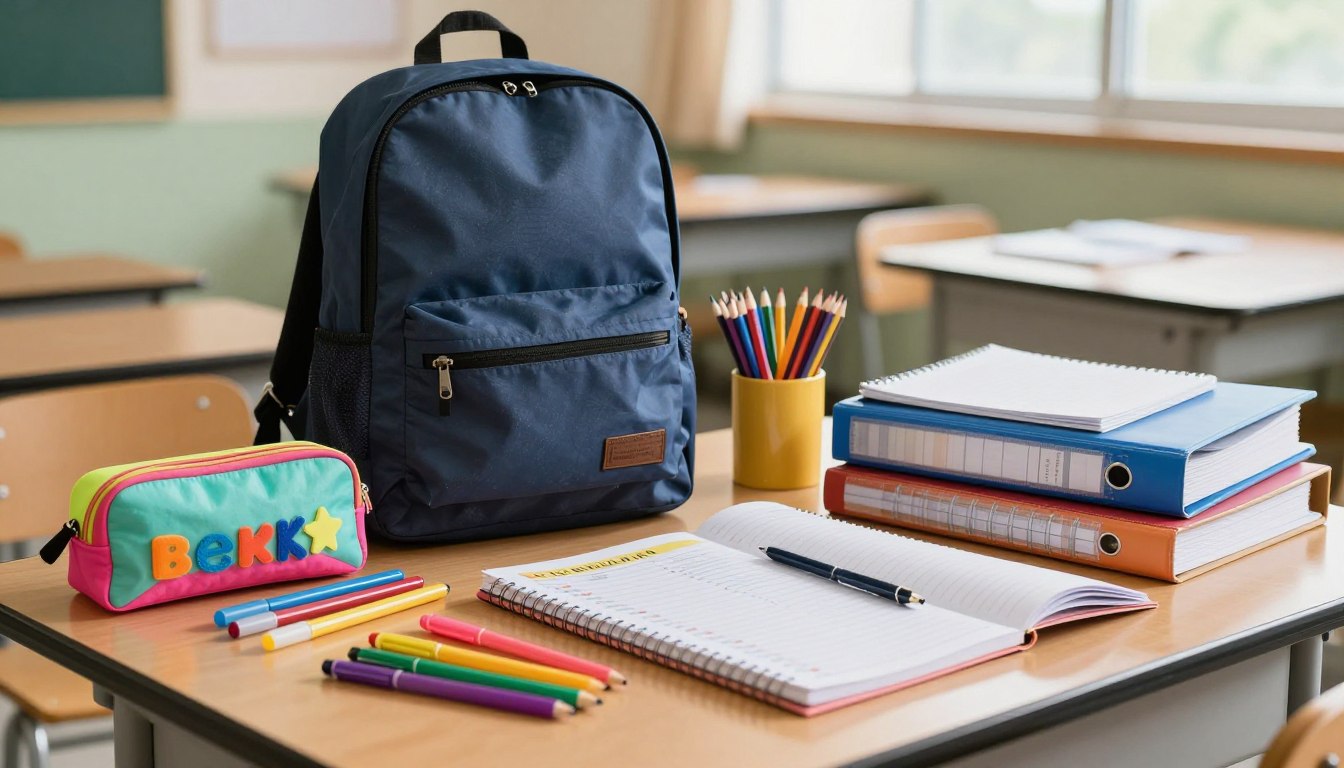
We asked teachers about saving money and reducing clutter. They say you can skip mechanical pencils, clipboards, and big backpacks for little kids. These items often get lost, broken, or take up too much space.
Teachers suggest focusing on what really matters. They prefer basic blue or black pens over fancy ones. Whiteout is also something to avoid, as they like to see corrections.
Trapper Keepers and zip-up binders are not always needed. O-ring or D-ring binders work just as well. Specialty and novelty items are only needed if a teacher asks for them.
Follow classroom guidance on index cards and bulk packs. Many teachers provide extras to keep things fair. This approach saves money and keeps classrooms organized!
By skipping unnecessary items, you save money and reduce clutter. Stick to the list your child’s teacher provides. This way, you buy what’s useful and avoid unnecessary stress.
Grade-Appropriate Recommended Lists to Guide Purchases
We've made lists of essential items for each grade level. This helps families buy what they need without spending too much. It also ensures teachers get the supplies they prefer.
For kindergarten, focus on safe and durable items. You'll need jumbo pencils, pencil grips, thick crayons, and blunt scissors. Also, glue sticks, a small sharpener, wide-ruled notebooks, and plastic folders are important. Don't forget a kid-sized backpack and lunch box.
- Thicker pencils and pencil grips
- Multiple boxes of crayons and washable markers
- Safety (blunt) scissors and glue sticks
- Plastic folders and wide-ruled notebooks
In grades 1–3, keep things simple and organized. You'll need a pencil box, crayons, colored pencils, and No.2 pencils. Erasers, washable markers, glue sticks, and blunt scissors are also important. Tissues and a kid-sized backpack and lunch box are a must.
For grades 4–5, add tools for independence. A pencil pouch, No.2 pencils, and highlighters are key. Personal planners, three-ring binders, and one-subject notebooks are also needed. Don't forget a basic calculator, pens, index cards, and subject dividers.
- Pencil pouch and No.2 pencils
- Highlighters and washable markers
- Three-ring binders and one-subject notebooks
- Basic calculator and index cards
Middle and high school require more specialized items. You'll need pencil pouches, pens, and mechanical or No.2 pencils. Electric pencil sharpeners, highlighters, and graph paper for math are also important. Planners are essential for keeping track of assignments.
High school essentials include a combination lock for lockers, post-it notes, and loose-leaf paper or spiral notebooks. A reliable planner is also a must. These items help manage schedules and assignments.
When packing for college, think beyond stationery. You'll need a laptop, wireless printer, and printer paper. Dorm items like a mattress cover and storage bins are also important. Small kitchen appliances are okay if allowed. Graphing calculators cost around $95–$111, while laptops vary by brand and retailer.
If you need help, consider donation programs and local backpack drives. Organizations like The Kids in Need Foundation and many public libraries offer free resources and lending programs. They help bridge gaps for families in need.